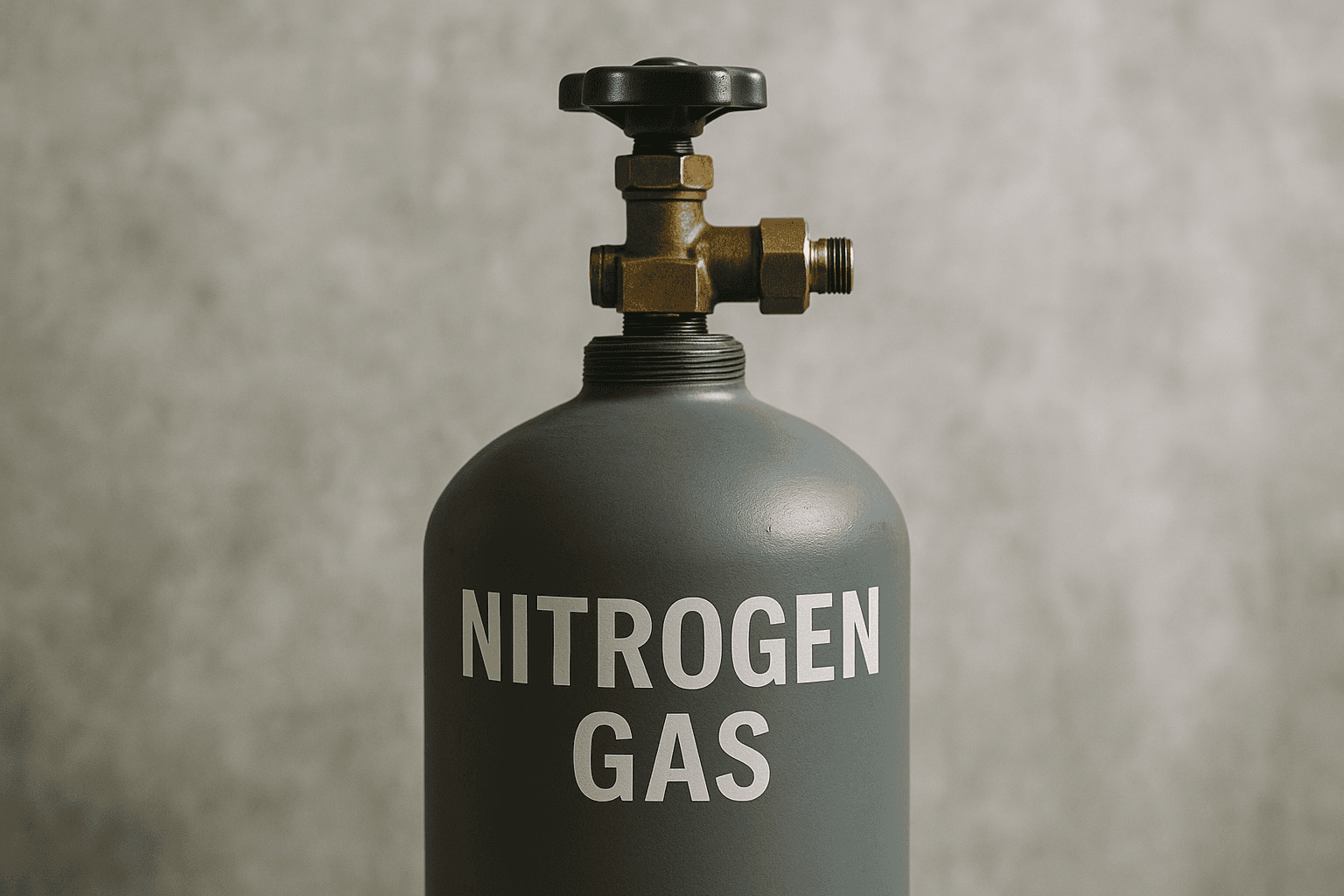
Oklahoma proceeded with nitrogen gas executions despite internal memos warning of prolonged suffering. Officials publicly claimed it was humane while knowing otherwise.
“Nitrogen hypoxia provides a quick and humane method of execution”
From “crazy” to confirmed
The Claim Is Made
This is the moment they called it crazy.
When Oklahoma's Department of Corrections announced plans to adopt nitrogen hypoxia as an execution method, state officials presented it as a humane alternative to lethal injection. The method had never been tested on humans. The department suggested it would be quick, painless, and scientifically sound. The public was assured that every precaution had been taken to ensure a dignified death.
What emerged from documents and investigations told a different story. Internal memos revealed that Oklahoma officials had conducted limited research suggesting nitrogen gas executions could result in prolonged suffering, yet proceeded with the method anyway. The disconnect between what officials said publicly and what they knew privately represents a significant breach of public trust in the criminal justice system.
The claim that Oklahoma knowingly concealed risks wasn't made by activists or conspiracy theorists. It came through documented evidence, including communications between corrections officials and their own expert consultants. These documents indicated awareness that the execution method might not work as advertised, that unconsciousness might not be instantaneous, and that the condemned person could experience minutes of distress before death.
Initially, state officials and legal defenders of the program dismissed concerns as speculative. They argued that nitrogen hypoxia was theoretically sound, that animal studies supported its use, and that concerns about suffering were overblown. The Oklahoma Department of Corrections maintained strict control over information about the method's development, citing security and operational concerns. When questioned about the research, officials provided limited details and emphasized that everything had been properly vetted.
The evidence proving the claim came through multiple channels. Court filings revealed internal memos that the state had commissioned studies showing potential complications. Witness testimony from corrections experts acknowledged the uncertainty surrounding how nitrogen gas would actually affect a human body in an execution setting. Perhaps most damning, communications showed that officials were aware of these uncertainties even as they reassured lawmakers and the public that the method was sound.
What became clear was that Oklahoma had essentially conducted an experiment on a human subject—Richard Glossip, who was initially scheduled for the first nitrogen execution—while publicly claiming the science was settled. The state had made a deliberate choice to move forward despite having evidence of unknown risks and potential for prolonged suffering.
This case matters beyond the specific details of execution methodology. It demonstrates how government institutions can maintain a public narrative at odds with internal knowledge. Officials weren't lying about inventing something new; they were misleading the public about how thoroughly they understood what they were inventing. That distinction is important, but the outcome is the same: citizens were denied accurate information about their government's actions.
The case also reveals structural problems in oversight. How thoroughly do we question official claims about the safety and legality of state procedures? Who verifies assertions made by government agencies about methods that irreversibly end human life? These aren't abstract questions. They're about whether public institutions can be trusted to be truthful when they claim to have done their homework.
What Oklahoma knew, and when it knew it, matters precisely because the public had a right to know before executions began.
Get the 5 biggest receipts every week, straight to your inbox — plus an exclusive PDF: The Top 10 Conspiracy Theories Proven True in 2025-2026. No spam. No agenda. Just the papers they couldn't hide.
You just read "Oklahoma County Used Nitrogen Gas Executions Despite Knowing…". We send ones like this every week.
No one's said anything yet. Be the first to drop your take.