1998 CNN report claimed US forces used deadly sarin gas against defectors in Laos in 1970. Military vehemently denied use of lethal chemical weapons, leading to retraction controversy.
“US forces never used sarin gas or other lethal chemical weapons in Southeast Asia”
From “crazy” to confirmed
The Claim Is Made
This is the moment they called it crazy.
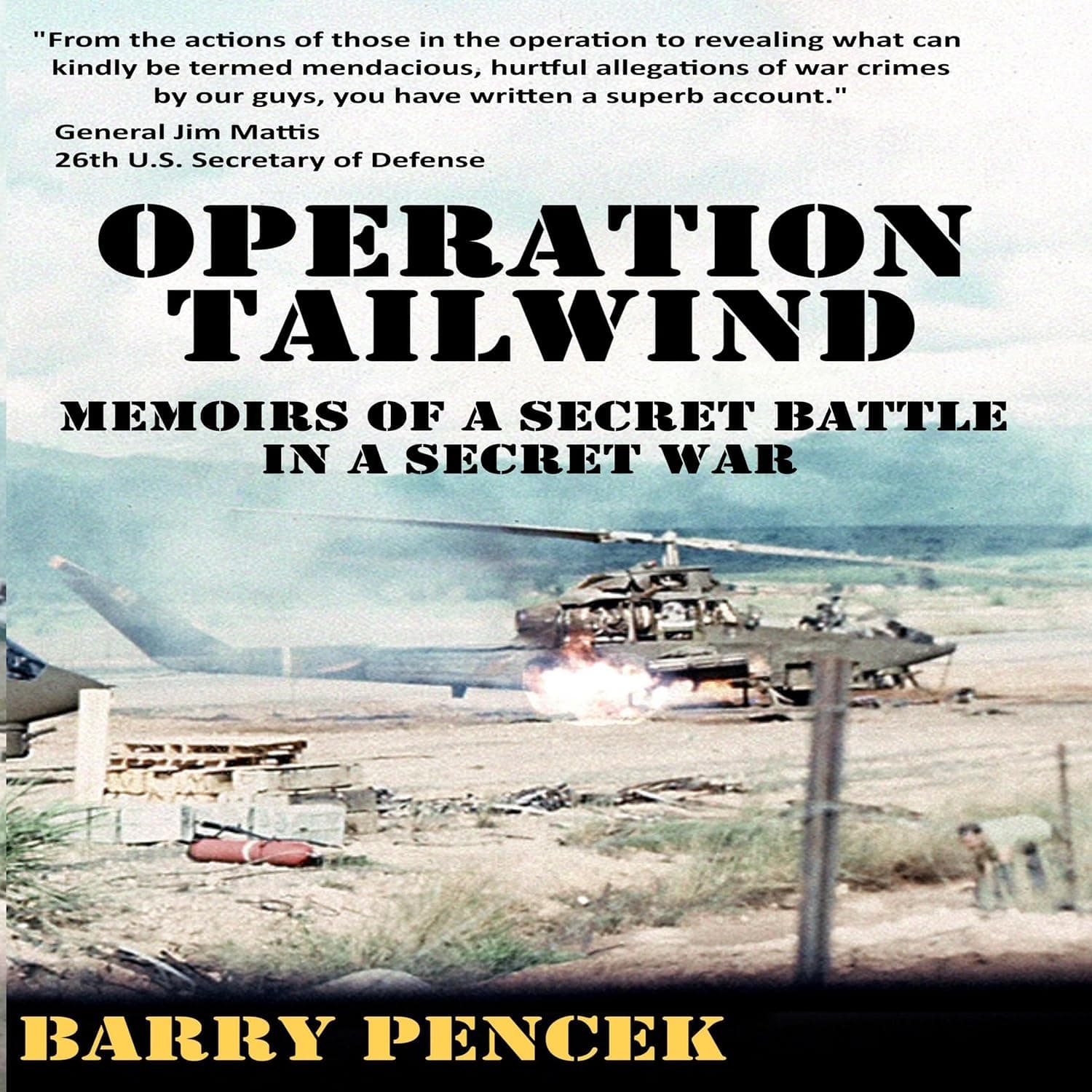
In June 1998, CNN broadcast a documentary that alleged the United States military had used sarin gas—a deadly nerve agent—during a classified operation in Laos nearly three decades earlier. The report, titled "Operation Tailwind," claimed that American special forces had deployed the chemical weapon against American defectors who had taken refuge in Laos during the Vietnam War. Within weeks, the story unraveled in a very public way, forcing CNN to retract major elements of the report and apologize to the Department of Defense.
The original CNN investigation centered on Operation Tailwind, a 1970 cross-border raid into Laos that was officially aimed at interdicting enemy supply lines. According to CNN's reporting, the operation had an additional and sinister objective: locating and neutralizing American soldiers who had deserted to the enemy side. The network claimed that sarin gas was used as part of this mission, making it not merely a military operation but a potential war crime involving chemical weapons.
The Pentagon's response was swift and unequivocal. Military officials denied that sarin gas had ever been used during Operation Tailwind or any other operation in Southeast Asia. They characterized the CNN report as fundamentally flawed reporting based on unreliable sources and faulty evidence. The Department of Defense launched its own investigation and released statements asserting that no chemical weapons had been deployed. Within the defense establishment, there was collective agreement: the claim was false.
Yet the situation was more complicated than a simple retraction suggested. While CNN's specific claims about sarin gas deployment proved difficult to substantiate with hard evidence, subsequent investigations revealed that Operation Tailwind itself involved controversial uses of riot control agents and tear gas—chemicals that, while technically distinct from lethal nerve agents, still represented the use of chemical weapons in combat, which violated international agreements the United States had signed. confirmed that agents like CS gas had been tested and potentially deployed during operations in Laos, even if sarin specifically remained unproven.
Get the 5 biggest receipts every week, straight to your inbox — plus an exclusive PDF: The Top 10 Conspiracy Theories Proven True in 2025-2026. No spam. No agenda. Just the papers they couldn't hide.
You just read "Operation Tailwind - CNN Exposed US Use of Sarin Gas in Laos". We send ones like this every week.
No one's said anything yet. Be the first to drop your take.
The controversy also exposed the difference between what could be definitively proven and what remained plausible given available evidence. Some of CNN's sources had credible military backgrounds, and their accounts of chemical agent use weren't entirely implausible. However, without declassified documents or additional corroboration, the specific claim about sarin gas couldn't survive journalistic scrutiny.
The Operation Tailwind episode demonstrates a critical tension in investigative reporting on classified military operations. The Pentagon's categorical denials carried institutional weight, yet the institution itself had incentives to deny wrongdoing. CNN's reporting, while flawed in its specifics, pointed toward real questions about what the United States had actually done in Laos during covert operations.
What matters now is recognizing that this wasn't simply a case of a false claim thoroughly debunked. It was a case where a large news organization made a provocative but partially substantiated claim about military conduct, faced institutional pressure to retract it, and where the truth remained somewhere in the contested middle ground. The public trust issue lingers: when government denials are categorical but historical accuracy remains murky, how are citizens supposed to understand what actually happened?
Unlikely leak
Only 10.6% chance this would come out. It did.
Conspirators
~1,000Large op
Secret kept
27.9 years
Time to 95% exposure
500+ years