COVID PCR tests were widely run at 40-45 cycle thresholds, despite experts warning that anything above 30-35 cycles was likely detecting dead viral fragments rather than active infection. There is no universal threshold for what constitutes a positive result — the Corman-Drosten paper that established the WHO-adopted test never defined positive vs. negative. On January 20, 2021, the day Biden took office, the WHO issued guidance warning that high cycle thresholds could produce biased results.
“The RT-PCR test as described in the Corman-Drosten paper has critical scientific flaws including the absence of a defined positive or negative threshold.”
From “crazy” to confirmed
The Claim Is Made
This is the moment they called it crazy.
Throughout 2020, as COVID-19 spread globally, a technical question about laboratory testing procedures remained largely absent from public discussion: At what point does a PCR test actually indicate active infection versus detecting trace amounts of viral material?
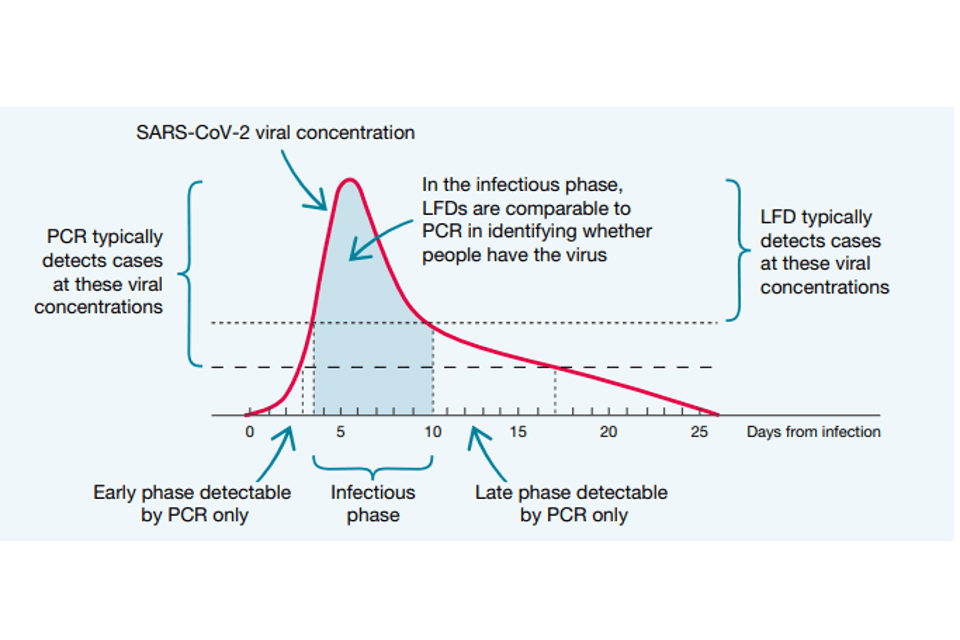
This question matters enormously. PCR tests work by amplifying genetic material through repeated cycles—typically 30-45 cycles in COVID testing protocols. Each cycle doubles the amount of genetic material being detected. But here's where the science becomes murky: detecting something and detecting something clinically relevant are different things. A fragment of dead virus is not the same as an active infection capable of spreading disease.
Starting in early 2020, the WHO and many national health agencies adopted testing protocols based largely on a single paper by Corman, Drosten, and colleagues. This paper, published in January 2020, essentially became the global standard for COVID detection. Yet the document never actually defined what constituted a "positive" result. It didn't establish a specific cycle threshold—the point at which a test should be considered positive rather than negative. This was a remarkable omission for something that would inform pandemic response decisions affecting billions of people.
Throughout 2020, many laboratories ran tests at 40-45 cycles. Scientists and virologists, including some at prestigious institutions, quietly warned that anything above 30-35 cycles was likely detecting non-infectious viral fragments. A positive result at cycle 40 could mean someone was infected with transmissible virus, or it could mean they had trace amounts of dead viral material from a previous infection. The test couldn't distinguish between these scenarios, yet both were reported as "positive cases."
When these concerns were raised publicly, official health authorities largely dismissed them. Critics were told the tests were working as designed, that PCR protocols were established, and that suggesting high cycle thresholds were problematic was .
Get the 5 biggest receipts every week, straight to your inbox — plus an exclusive PDF: The Top 10 Conspiracy Theories Proven True in 2025-2026. No spam. No agenda. Just the papers they couldn't hide.
You just read "COVID PCR tests run at 40-45 cycles produced massive false p…". We send ones like this every week.
No one's said anything yet. Be the first to drop your take.
Then, on January 20, 2021—the day President Biden took office—the WHO issued new guidance on PCR testing. The timing struck many observers as politically convenient. In this guidance, the WHO explicitly warned that "poor sensitivity" could result from cycle thresholds set too high, and that "positive" results from extremely high cycles might not reflect active infection. The organization recommended retesting or adjusting interpretation protocols.
The guidance essentially confirmed what skeptical scientists had been saying throughout 2020: high cycle thresholds had likely produced false positive results, potentially inflating case counts and informing public health decisions based on inaccurate data. The WHO didn't admit this outright—the language was cautious and technical—but the reversal was unmistakable.
What makes this significant isn't whether one agrees with lockdown policies or mask mandates. What matters is that for roughly a year, a technical limitation of the primary testing method was known to some experts but not clearly communicated to the public or incorporated into official guidance. Case numbers that influenced major decisions may have included a substantial percentage of false positives.
This raises uncomfortable questions about how technical expertise is communicated during crises, about institutional incentives, and about what "following the science" actually means when the science itself remains ambiguous. For public trust in future health emergencies, getting this balance right—between decisive action and honest uncertainty—may matter more than the pandemic itself.
Beat the odds
This had a 0.7% chance of leaking — someone talked anyway.
Conspirators
~300Network
Secret kept
6.1 years
Time to 95% exposure
500+ years