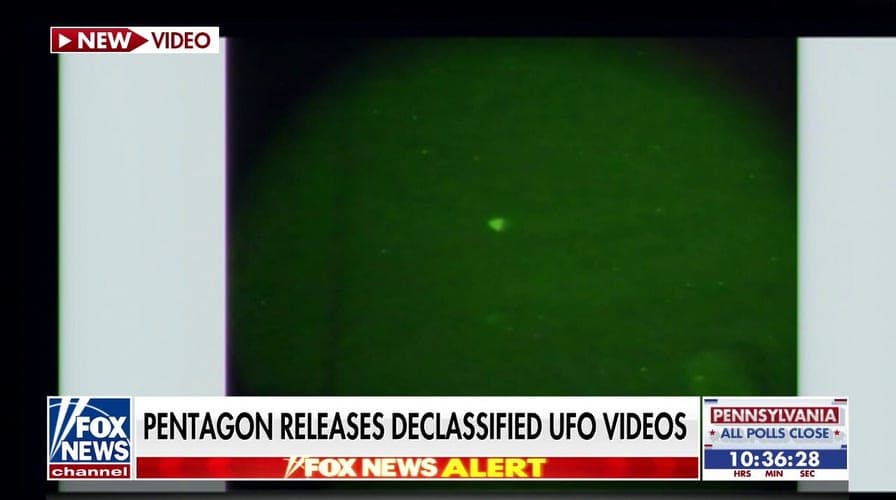
The Pentagon officially released three Navy videos showing 'unidentified aerial phenomena' in 2020, confirming their authenticity after years of dismissing similar footage as hoaxes or misidentifications.
“The Department of Defense does not discuss alleged UFO sightings”
From “crazy” to confirmed
The Claim Is Made
This is the moment they called it crazy.
For decades, military pilots who reported encounters with unidentified objects in the sky faced a familiar response: denial, dismissal, or reassignment. Their accounts were filed away in classified folders, and when they spoke publicly, they were often ridiculed. The official stance from the Pentagon was consistent—there was nothing to investigate, nothing to confirm, and certainly nothing the public needed to know about.
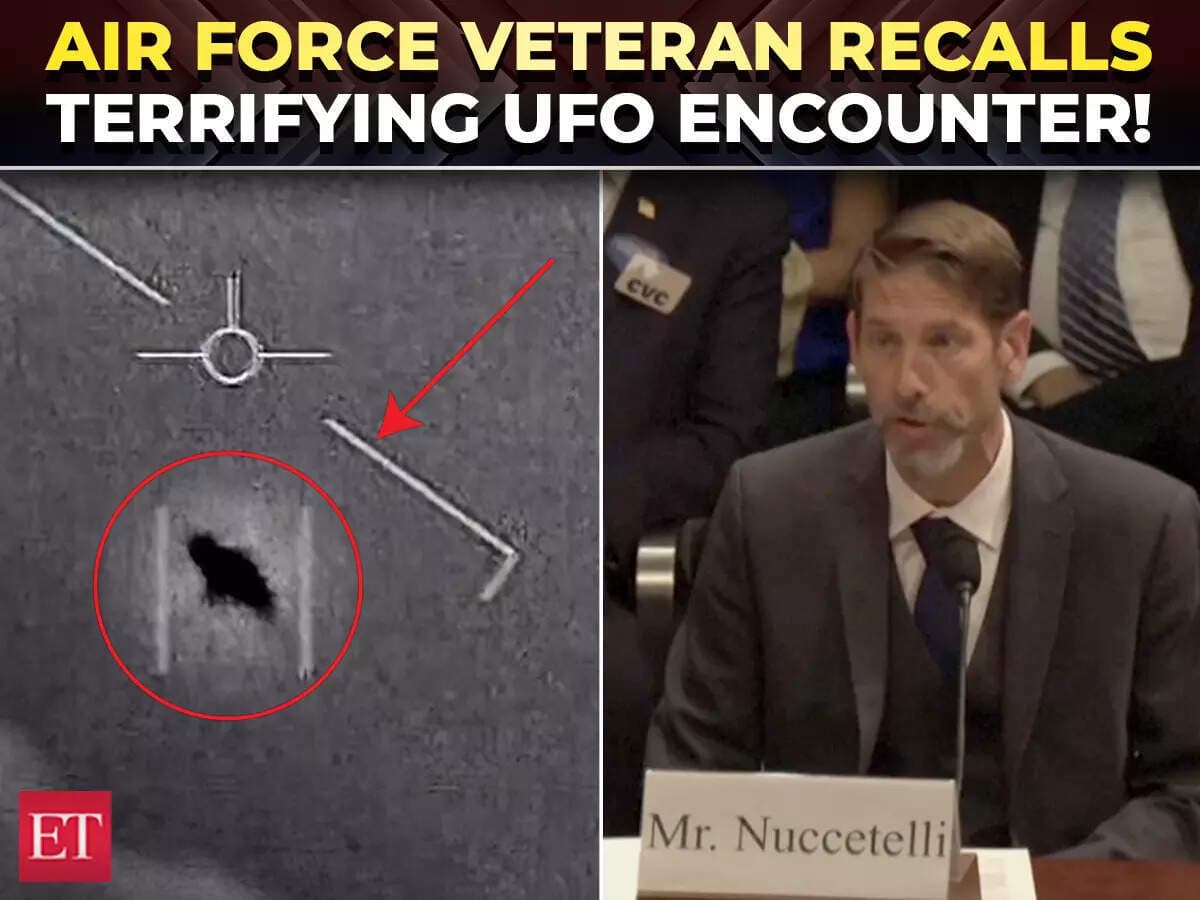
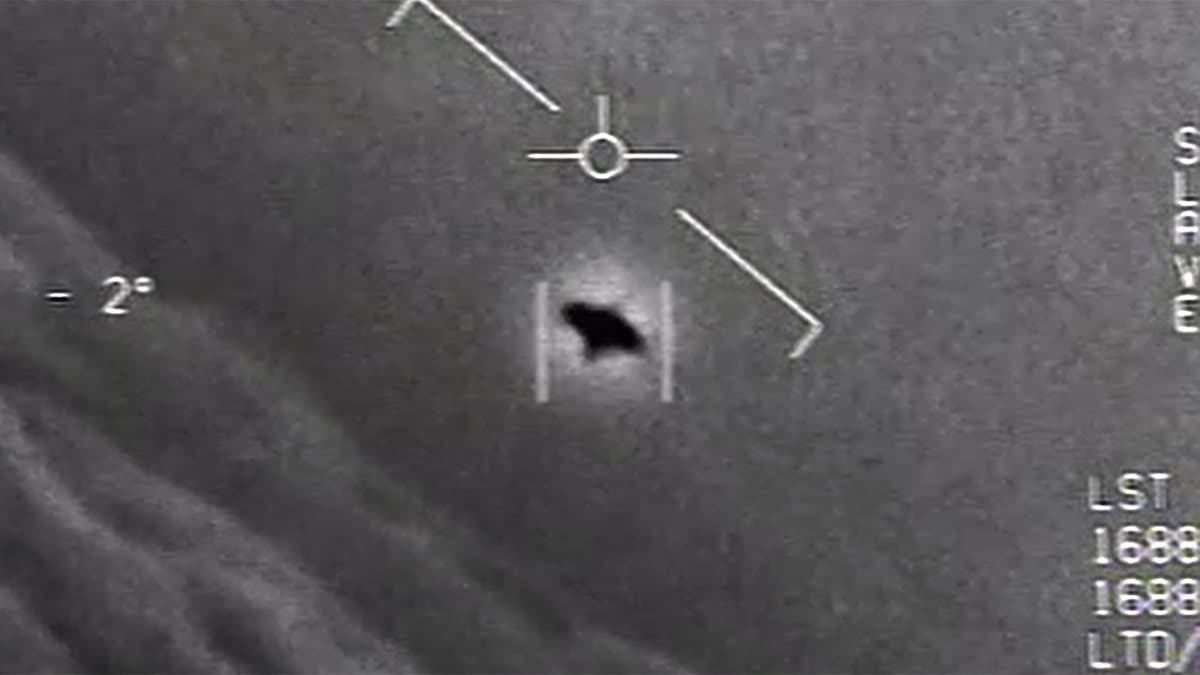
Then, in April 2020, the Department of Defense did something unprecedented. It officially declassified and released three videos recorded by Navy pilots, confirming what witnesses had been insisting for years: the encounters were real, the footage was authentic, and the phenomena remained unexplained.
The videos themselves weren't new. They had circulated online and been analyzed by researchers for years, but their official status remained murky. One clip, known as the "Tic-Tac" video, captured an object performing maneuvers that seemed to defy conventional physics during a 2004 encounter off the coast of San Diego. Two other videos, recorded in 2015, showed similar encounters off the East Coast. Navy pilots—trained observers with millions of dollars of equipment aboard their jets—had reported these incidents through proper military channels.
The official response had been dismissive. Military officials initially characterized the videos as unreliable, possibly equipment glitches, or simply misidentifications of known aircraft. Some suggested the pilots were experiencing optical illusions. The Pentagon's position, maintained through repeated Freedom of Information Act requests and congressional inquiries, was that there was nothing substantive to discuss.
Get the 5 biggest receipts every week, straight to your inbox — plus an exclusive PDF: The Top 10 Conspiracy Theories Proven True in 2025-2026. No spam. No agenda. Just the papers they couldn't hide.
You just read "Pentagon Confirmed UFO Videos Were Classified Naval Encounte…". We send ones like this every week.
No one's said anything yet. Be the first to drop your take.
What changed wasn't the evidence. It was institutional acknowledgment. The Pentagon's official statement in 2020 confirmed that the videos were authentic naval encounters and that the objects recorded remained unidentified. This wasn't a vindication wrapped in mystery-mongering—it was a straightforward confirmation that pilots had encountered something they couldn't explain, and the military's instruments couldn't identify it either.
The significance of this verification extends beyond UFO folklore. For years, credible witnesses—military officers with spotless records and direct access to classified intelligence—had told consistent, detailed accounts of these events. They faced professional consequences for speaking openly. Their experiences were publicly dismissed or ignored. Then, with one statement from the Department of Defense, the institutional gaslighting ended.
This pattern reveals something important about how official institutions handle information that challenges existing frameworks or comfortable certainties. The Pentagon didn't release the videos because new evidence emerged. The videos hadn't changed. What changed was the calculation that continued denial had become more damaging to credibility than acknowledgment.
The real question now isn't whether these encounters happened—that's confirmed. It's what the objects actually were and why it took so long for officials to state the obvious: trained military observers recorded something genuine, and nobody could explain it. The military pilots were right all along. They were just waiting for the institution to catch up.
This case demonstrates why institutional dismissals deserve scrutiny. When credible witnesses report unusual phenomena consistently, and that evidence later receives official confirmation, it suggests the initial denials were rooted in institutional pressure rather than evidence. The public's skepticism toward official claims becomes more justified, not less.
Beat the odds
This had a 1.7% chance of leaking — someone talked anyway.
Conspirators
~500Large op
Secret kept
8.4 years
Time to 95% exposure
500+ years