The Pentagon denied having active UFO programs while secretly funding the Advanced Aerospace Threat Identification Program (AATIP) from 2007-2012. Luis Elizondo revealed the program's existence in 2017.
“The Department of Defense does not have any programs investigating unidentified aerial phenomena”
From “crazy” to confirmed
The Claim Is Made
This is the moment they called it crazy.
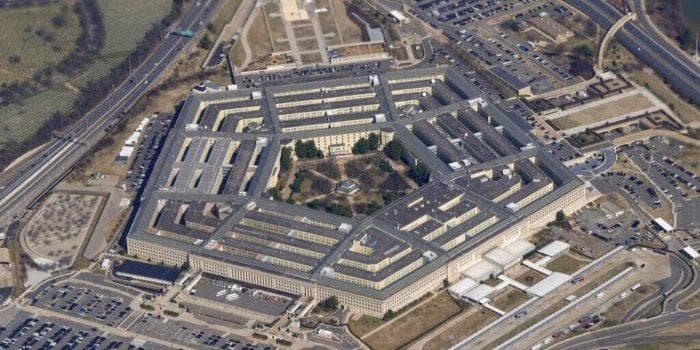
For years, the Pentagon operated one of the most significant classified programs in modern defense history while publicly maintaining that no such initiative existed. The Advanced Aerospace Threat Identification Program, or AATIP, ran from 2007 to 2012 with a budget exceeding $22 million annually, yet senior Pentagon officials denied its existence whenever questioned by journalists or lawmakers.
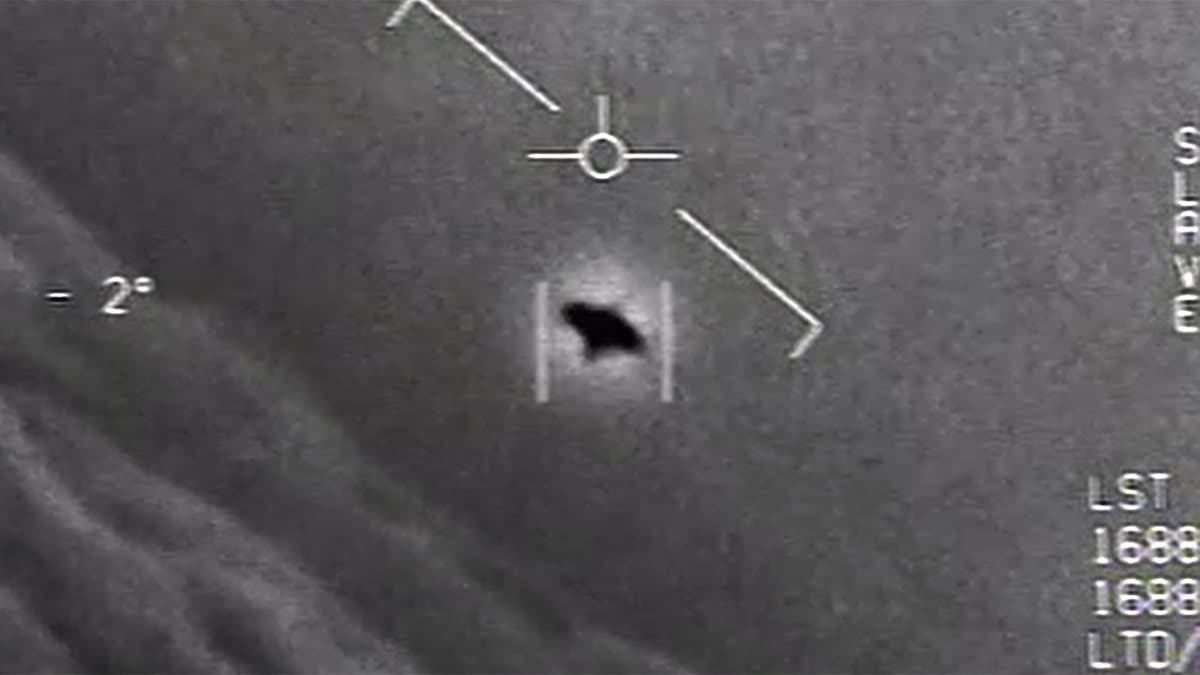
The program was designed to investigate unidentified aerial phenomena—objects displaying flight characteristics that defied conventional explanation. AATIP collected reports from military pilots, analyzed radar data, and studied physical evidence of encounters that military personnel couldn't categorize. The scope was serious: this wasn't fringe speculation, but a formal Pentagon initiative with dedicated staff, oversight, and congressional appropriations.
When asked directly about UFO investigations, Pentagon officials used carefully parsed language to obscure the truth. They stated the department had "no active programs" investigating unidentified flying objects—technically accurate only if one defined AATIP narrowly enough or claimed its focus was aerospace threats rather than UFOs specifically. This distinction allowed officials to deny UFO programs while funding exactly that.
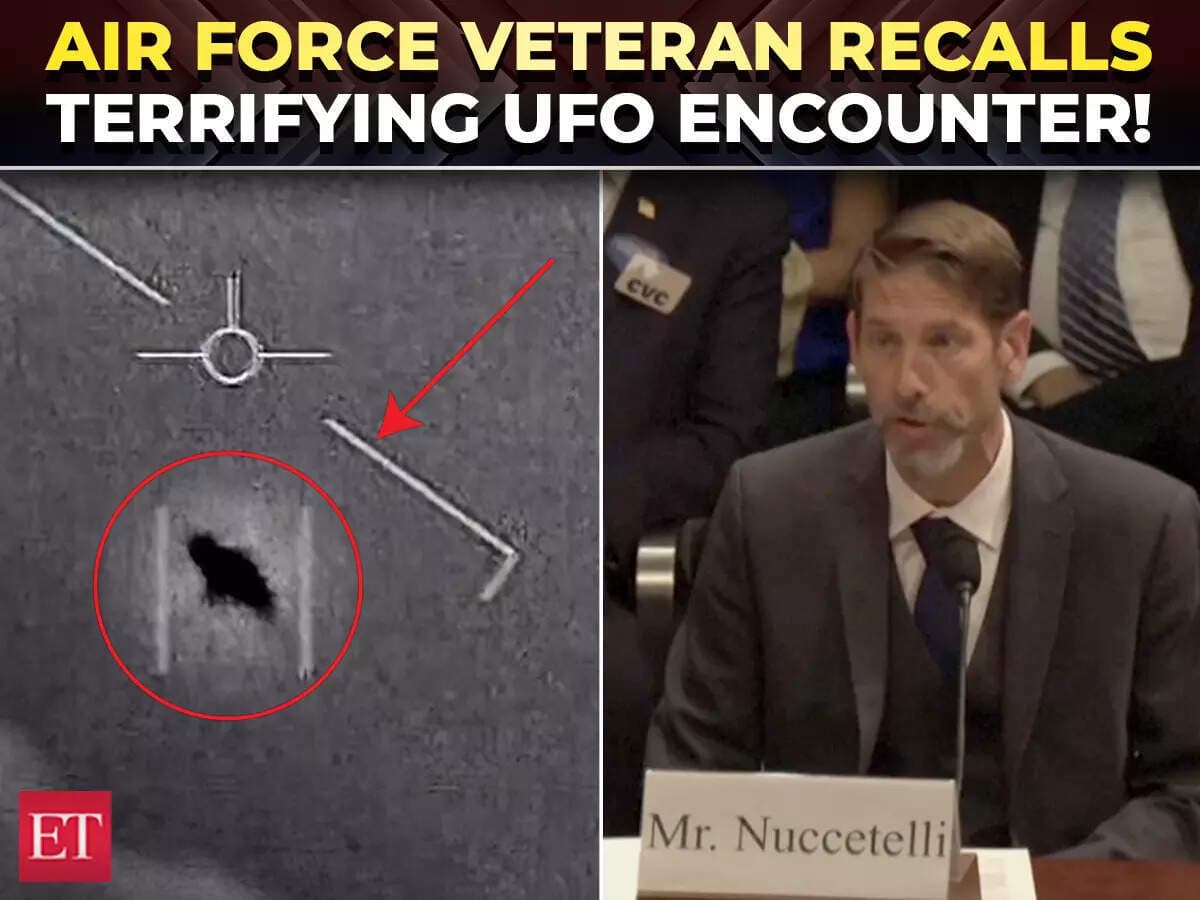
Luis Elizondo, the military intelligence official who directed AATIP, became the key witness to this discrepancy. In 2017, after leaving government service, Elizondo revealed the program's existence and scope to the New York Times. He provided documentation, corroborated accounts from other officials, and explained how the program had operated in the shadows despite legitimate funding and official authorization.
The Times investigation confirmed Elizondo's account through multiple independent sources and documentation. The newspaper obtained budget details showing consistent funding allocations that had never publicly disclosed. Military pilots who participated in the program went on record describing their encounters and the seriousness with which the military took their observations. The evidence demonstrated a sustained, well-resourced effort—not a black ops anomaly, but an established program that simply hadn't been acknowledged.
Get the 5 biggest receipts every week, straight to your inbox — plus an exclusive PDF: The Top 10 Conspiracy Theories Proven True in 2025-2026. No spam. No agenda. Just the papers they couldn't hide.
You just read "Pentagon Maintained Secret UFO Investigation Program AATIP f…". We send ones like this every week.
No one's said anything yet. Be the first to drop your take.
What made this revelation particularly significant was not the UFO investigation itself, but the mechanism of concealment. The Pentagon hadn't merely kept a program classified for security reasons—it had actively misled the public and Congress about its existence. This represented a failure in institutional transparency that went beyond standard security protocols.
The verified existence of AATIP raised uncomfortable questions about governmental accountability. If the Pentagon could maintain and fund a multi-million-dollar program for over a decade while officially denying its existence, what other programs might be operating outside public view? How many other topics might officials be systematically obscuring through careful language rather than outright denial?
Since Elizondo's 2017 disclosure, the Pentagon has confirmed AATIP's existence and even released limited documentation. Congress has held hearings on unidentified aerial phenomena, with officials now acknowledging the legitimate nature of the investigation. The narrative has shifted from denial to measured acknowledgment.
This case demonstrates why institutional trust erodes. The Pentagon wasn't protecting national security through secrecy—it was conducting denial as policy. Citizens learned not that the military investigated strange phenomena, but that government officials had deliberately obscured the truth. The verified claim here isn't just about UFOs; it's about how institutions handle transparency when they'd prefer obscurity. And that matters far beyond whatever the Pentagon was actually seeing in the sky.
Beat the odds
This had a 1.7% chance of leaking — someone talked anyway.
Conspirators
~500Large op
Secret kept
8.6 years
Time to 95% exposure
500+ years