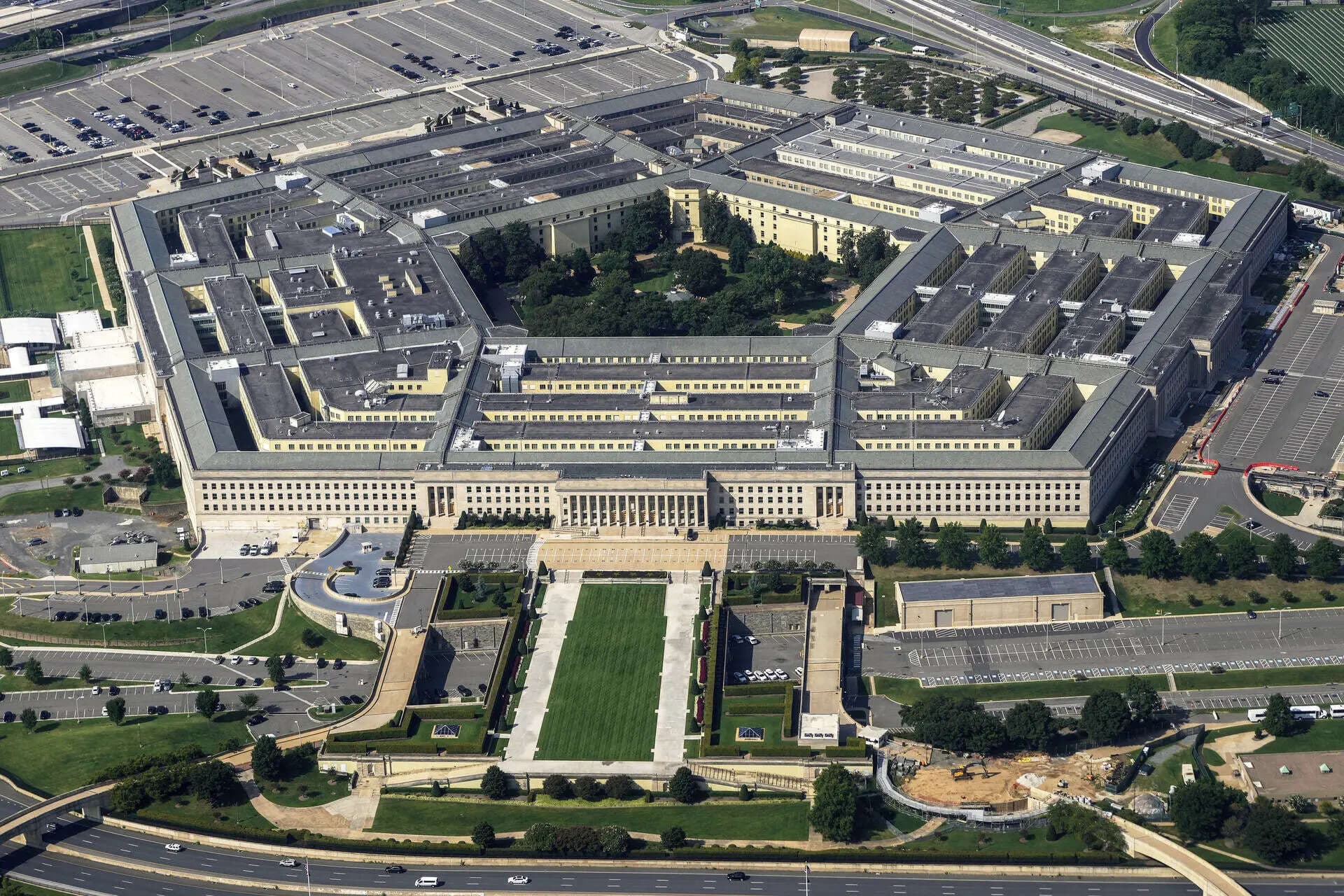
David Barstow's 2008 Pulitzer Prize-winning investigation revealed that the Pentagon ran a covert propaganda program from 2002-2008, briefing 74 retired military officers who appeared as 'independent analysts' on TV networks. They received 147 private briefings, access to classified intelligence, and trips to Iraq. 43 of the analysts had undisclosed financial ties to defense contractors. Donald Rumsfeld personally participated in 20 events. Networks never disclosed the arrangement. The Pentagon ended the program after exposure.
“Those 'independent military analysts' you see on CNN, Fox, NBC, and CBS are not independent at all. The Pentagon is secretly briefing them and feeding them talking points to sell the war to the American public.”
What they said vs. what the evidence shows
“The military analyst program was an outreach effort to ensure retired officers had accurate, timely information. There was nothing improper about briefing former military leaders.”
— Pentagon Press Secretary · Apr 2008
SourceFrom “crazy” to confirmed
The Claim Is Made
This is the moment they called it crazy.
When major news networks presented military experts analyzing the Iraq War in 2002, viewers had no way of knowing those "independent analysts" were being directly coached by the Pentagon. The networks certainly didn't tell them. It wasn't until David Barstow's 2008 Pulitzer Prize-winning investigation in the New York Times that the public learned the scope of what had been happening behind the scenes.
The core claim was straightforward: the Pentagon had systematically recruited 74 retired military officers to appear as impartial commentators on television while secretly briefing them on classified information and providing them access to the highest levels of the Department of Defense. The program ran from 2002 to 2008, a period that covered some of the most consequential debates about the Iraq War. These analysts received 147 private Pentagon briefings, were flown to Iraq on government-arranged trips, and were given access to classified intelligence—all while presenting themselves to viewers as independent voices.
When the arrangement was initially revealed, Pentagon officials and the networks offered familiar denials. They suggested the program was merely routine outreach, nothing sinister, just another way to communicate with influential figures. The implicit message was that investigative reporters were manufacturing scandal from normal bureaucratic practice. Some defended it as legitimate public affairs, not propaganda.
Barstow's reporting demolished these claims through meticulous documentation. He obtained internal Pentagon records, emails, and memos showing that the program was systematically designed to shape media coverage. He identified that 43 of the 74 analysts had undisclosed financial ties to defense contractors—meaning they had direct financial incentives to support military spending and military solutions. He documented that Donald Rumsfeld personally participated in 20 briefing events with these analysts, hardly the work of a routine communications office.
Get the 5 biggest receipts every week, straight to your inbox — plus an exclusive PDF: The Top 10 Conspiracy Theories Proven True in 2025-2026. No spam. No agenda. Just the papers they couldn't hide.
You just read "The Pentagon planted 74 retired military officers as 'indepe…". We send ones like this every week.
No one's said anything yet. Be the first to drop your take.
Confirmed: They Were Right
The truth comes out. Officially documented.
Confirmed: They Were Right
The truth comes out. Officially documented.
The Times investigation showed the networks—including CNN, Fox News, and MSNBC—never disclosed the Pentagon relationships to their audiences. Viewers watching these analysts discuss Iraq policy had no idea they were watching people who had just left private Pentagon briefings, who received classified briefings inaccessible to the public, and who stood to profit from defense contracts. The networks had effectively allowed themselves to become conduits for Pentagon propaganda, with analysts who looked independent but weren't.
The Pentagon ended the program only after Barstow's reporting went public. There were no significant penalties, no major reforms to how the networks vetted their expert commentators, no criminal charges. The incident exposed a systematic vulnerability: wealthy institutions with resources and access can shape public perception through media in ways that escape public scrutiny until someone digs deeply enough.
What made this case significant wasn't that institutions tried to influence media—that's expected. What mattered was the systematic nature of the deception and how completely it worked. Major news organizations with substantial resources failed to notice or disclose that their analysts were Pentagon operatives. The public received news about a war built partly on information filtered through Pentagon-briefed intermediaries presented as independent experts.
For anyone concerned about how information flows from power to the public, this case matters. It revealed that even major media outlets with investigative resources can be manipulated when institutional relationships remain hidden. The lesson wasn't that skepticism is warranted—it's that without transparency about who funds, briefs, and benefits analysts, the public cannot make informed judgments about the information it receives.
Beat the odds
This had a 0% chance of leaking — someone talked anyway.
Conspirators
~100Network
Secret kept
0.5 years
Time to 95% exposure
500+ years