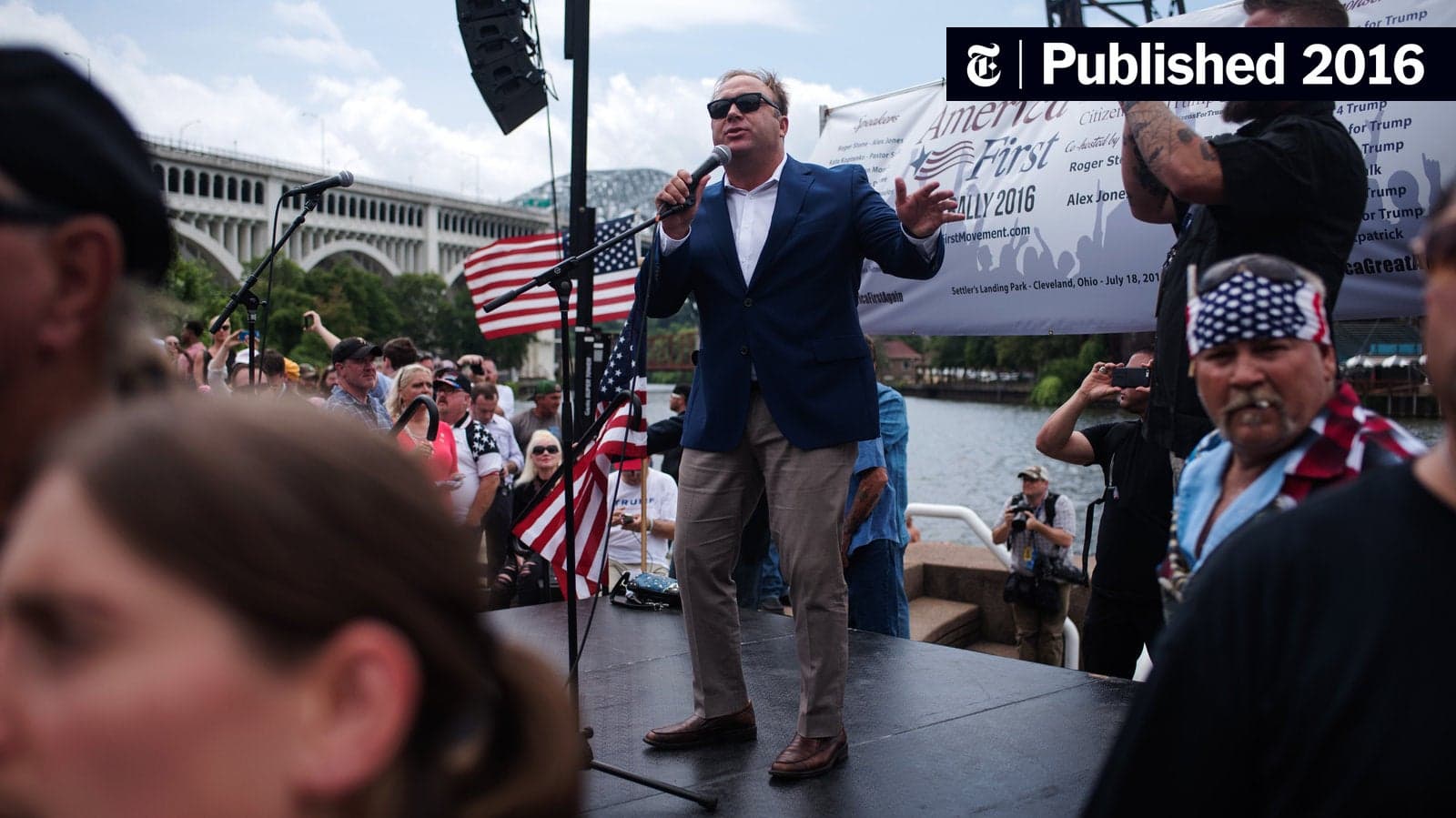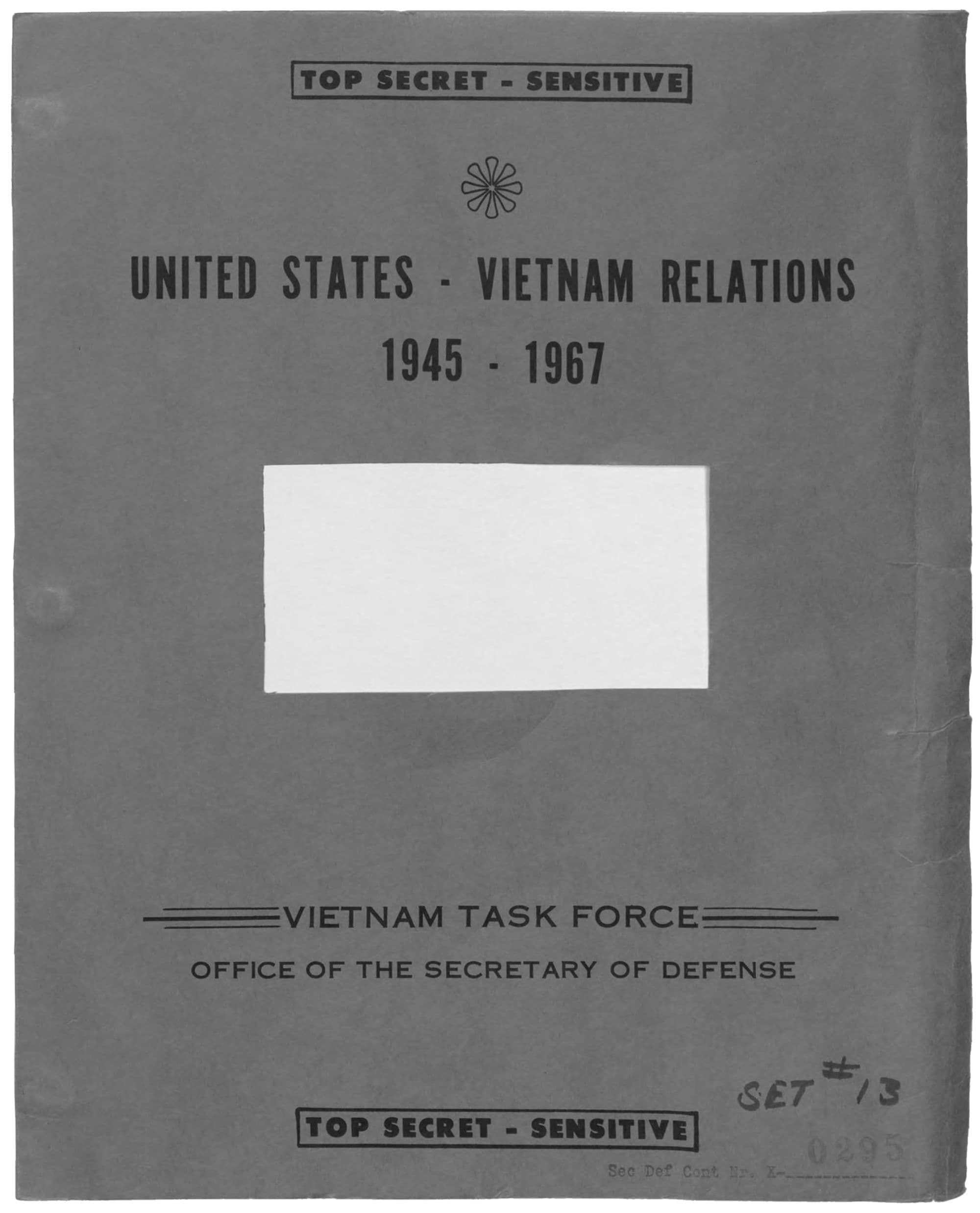
Internal Defense Department documents showed officials knew the Vietnam War was unwinnable while publicly claiming progress. Daniel Ellsberg leaked 7,000 pages exposing decades of lies to Congress and the public.
“We are making steady progress in Vietnam and victory is achievable”
From “crazy” to confirmed
The Claim Is Made
This is the moment they called it crazy.
For years, American military and political leaders assured the public that progress was being made in Vietnam. Secretary of Defense Robert McNamara and successive administrations presented optimistic casualty figures, troop morale reports, and strategic assessments to Congress and the American people. The war effort, they insisted, was moving in the right direction. This narrative was consistent, official, and—as it turned out—systematically false.
In 1971, Daniel Ellsberg, a military analyst working within the Defense Department, made a decision that would reshape public understanding of government credibility. He photocopied approximately 7,000 pages of classified internal documents known as the Pentagon Papers—a comprehensive history of American political and military involvement in Vietnam from 1945 through 1967. Ellsberg knew what these documents revealed, and he knew the American public didn't.
The initial official response was predictable denial followed by legal pressure. The Nixon administration moved aggressively to suppress the Pentagon Papers, obtaining a court injunction against The New York Times when they began publishing excerpts in June 1971. Government lawyers argued that national security was at stake, that ongoing military operations could be compromised, and that releasing classified material was illegal. The administration's position was that these were isolated documents from a previous administration and didn't reflect current policies or understanding.
What actually emerged from those 7,000 pages told a different story entirely. The documents revealed that successive administrations—from Truman through Johnson—had systematically misrepresented the war's progress to the public and to Congress. Military commanders knew casualty figures were being manipulated. Intelligence assessments showing the war was essentially unwinnable coexisted with public statements claiming momentum and eventual victory. The gap between what officials said in private meetings and what they told the American people was not a matter of interpretation—it was measurable, quantifiable deception spanning decades.
Get the 5 biggest receipts every week, straight to your inbox — plus an exclusive PDF: The Top 10 Conspiracy Theories Proven True in 2025-2026. No spam. No agenda. Just the papers they couldn't hide.
You just read "Pentagon Papers revealed systematic deception about Vietnam …". We send ones like this every week.
No one's said anything yet. Be the first to drop your take.
One striking revelation involved the Tonkin Gulf incident of August 1964, which had been cited as justification for escalated American involvement. The classified documents showed the second alleged attack that justified major escalation likely never happened. Officials knew this at the time but authorized the military response anyway.
The Supreme Court sided with press freedom in June 1971, allowing continued publication. Within months, the documents were declassified and became public knowledge. By then, the damage to government credibility was irreversible. Millions of Americans had died or been wounded based on military and political assessments that decision-makers knew to be false.
This matters because the Pentagon Papers established a pattern that extends beyond Vietnam. They demonstrated that there is often a systematic gap between what governments claim publicly about military operations and what they believe privately. They showed that institutional pressure, bureaucratic incentives, and political calculation can override truthfulness at the highest levels.
The Pentagon Papers didn't just verify a claim—they fundamentally altered how Americans approach government statements about war. They created a precedent for whistleblowing and showed that classified documents can reveal truths the public has a right to know. Nearly five decades later, they remain the benchmark against which government transparency is measured. Trust, once broken at that scale, is nearly impossible to fully restore.
Beat the odds
This had a 2.2% chance of leaking — someone talked anyway.
Conspirators
~100Network
Secret kept
54.9 years
Time to 95% exposure
500+ years