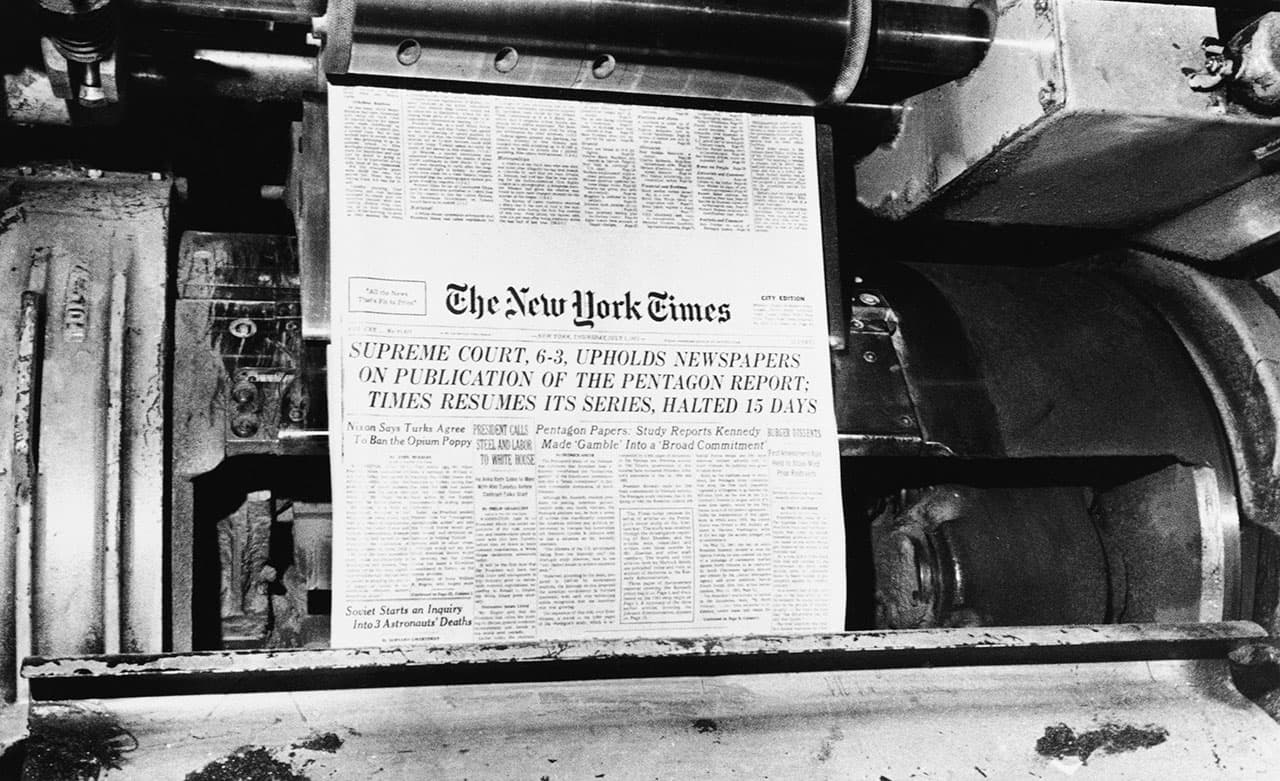
Defense Department analysts documented years of lies about military progress in Vietnam. Pentagon claimed war was winnable while internal documents showed officials knew it was unwinnable as early as 1965.
“We are making steady progress in Vietnam and victory is achievable”
From “crazy” to confirmed
The Claim Is Made
This is the moment they called it crazy.
For years, American military and political leaders told the public that progress in Vietnam was measurable and meaningful. Secretary of Defense Robert McNamara and his team presented optimistic assessments to Congress and the American people, with carefully selected statistics suggesting the U.S. was winning the war. The narrative was consistent, repeated, and official. It was also fundamentally false.
What made this deception particularly striking was that the Pentagon itself knew better. Internal Defense Department analyses, conducted by top-level officials and analysts, documented a reality sharply at odds with public statements. These analysts understood as early as 1965—years before the public learned the truth—that the war was unwinnable under existing circumstances. Yet this assessment remained buried in classified documents while American soldiers continued to die and the government continued to reassure the nation that victory was attainable.
When the Pentagon Papers were leaked to the press in 1971 and subsequently published by the New York Times and other outlets, the contrast between internal knowledge and public claims became undeniable. The documents revealed a systematic pattern: officials made rosy public pronouncements while their own analysts documented stalled progress, failed pacification efforts, and mounting evidence that North Vietnam had no intention of surrendering. The gap between what leaders said and what they knew wasn't the result of faulty intelligence or honest miscalculation. It was deliberate.
The government's initial response was predictable denial and containment. The Nixon administration argued that the documents were classified for legitimate reasons and that releasing them endangered current military operations. They pursued the leaker, Daniel Ellsberg, aggressively. Some officials suggested the documents were being misinterpreted or taken out of context. The strategy was familiar: discredit the messenger, invoke security concerns, and hope the public would accept official reassurances over leaked papers.
Get the 5 biggest receipts every week, straight to your inbox — plus an exclusive PDF: The Top 10 Conspiracy Theories Proven True in 2025-2026. No spam. No agenda. Just the papers they couldn't hide.
You just read "Pentagon Papers Revealed Systematic Deception About Vietnam …". We send ones like this every week.
No one's said anything yet. Be the first to drop your take.
But the Pentagon Papers proved too comprehensive and too detailed to dismiss. Journalists, historians, and the public could read the actual words of Pentagon analysts describing an unwinnable situation. The documents didn't present a debate among experts with differing opinions. They showed a consensus among Defense Department officials that contradicted everything leadership was telling Americans. By 1965, the assessments were clear. Yet public statements about American progress and ultimate victory continued unabated.
The significance of this verified claim extends beyond Vietnam. The Pentagon Papers demonstrated that a democratic government could maintain a massive public deception about a war costing American lives, and that the deception could persist for years even when top officials possessed clear evidence it was false. The documents showed that institutional knowledge and public narrative had diverged so completely that citizens voting, supporting, or fighting the war had no accurate information about the situation they were being asked to accept.
This matters because it fundamentally undermines the assumption that government transparency occurs naturally or that the truth eventually emerges through normal channels. In the Vietnam case, the truth only surfaced through a leak—through an act that officials considered criminal. Without Daniel Ellsberg's decision to release the Pentagon Papers, the public might never have learned what their government knew.
The lesson is uncomfortable but essential: when institutions have power to classify information and control narrative, they can hide inconvenient truths for extended periods. The Pentagon Papers proved this wasn't theoretical. It happened. And it happened while the stakes—in lives and national credibility—could not have been higher.
Unlikely leak
Only 19.7% chance this would come out. It did.
Conspirators
~1,000Large op
Secret kept
54.9 years
Time to 95% exposure
500+ years