Leaked 1971 documents showed the government knew the Vietnam War was unwinnable while publicly claiming progress. Officials deliberately misled Congress and the public about military strategy and casualties for years.
“We are making steady progress in Vietnam and victory is achievable with continued commitment”
From “crazy” to confirmed
The Claim Is Made
This is the moment they called it crazy.
For years, the American public watched televised war briefings where military officials assured them progress was being made in Vietnam. Body counts were climbing, the Viet Cong was weakening, victory was within sight. Senior government officials, including Presidents Lyndon Johnson and Richard Nixon, consistently portrayed the war effort as succeeding. Anyone questioning this narrative risked being labeled unpatriotic or naive about the communist threat.
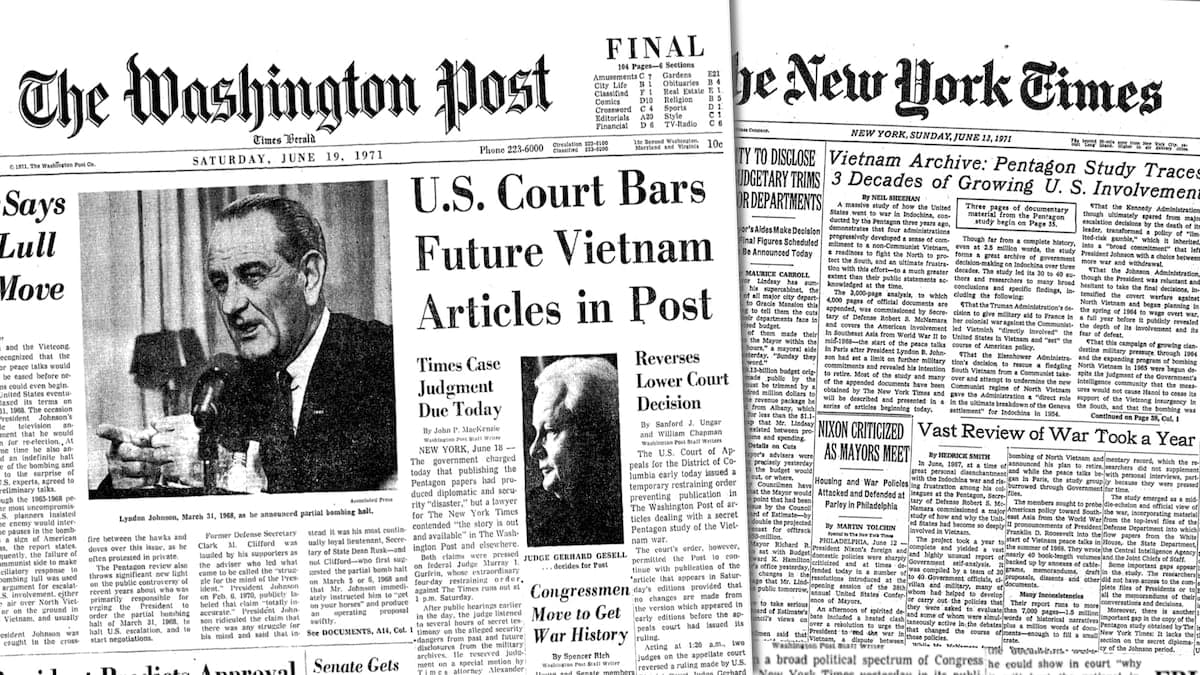
Then, in June 1971, The New York Times published excerpts from a classified Department of Defense study that upended everything. The Pentagon Papers—a comprehensive 7,000-page history of U.S. political and military involvement in Vietnam—revealed a systematic pattern of official deception spanning decades and multiple administrations.
What the documents showed was stark and damning. U.S. officials had known for years that the war was likely unwinnable. Military assessments conducted internally contradicted the optimistic public statements. Casualty figures were misrepresented. Military strategy decisions were withheld from Congress. The government had known about the ineffectiveness of bombing campaigns while continuing to escalate them. Perhaps most troublingly, these deceptions weren't mistakes or miscalculations—they were deliberate, documented choices made by people in positions of power.
The initial dismissal was predictable. The Nixon administration immediately moved to prevent further publication, arguing national security was at stake. The Justice Department sought and obtained a temporary injunction against The Washington Post when it began publishing its own stories. Officials characterized the leaks as treason, as if revealing past lies somehow endangered the nation more than the lies themselves had.
Get the 5 biggest receipts every week, straight to your inbox — plus an exclusive PDF: The Top 10 Conspiracy Theories Proven True in 2025-2026. No spam. No agenda. Just the papers they couldn't hide.
You just read "Pentagon Papers Revealed Systematic Government Deception Abo…". We send ones like this every week.
No one's said anything yet. Be the first to drop your take.
What made the Pentagon Papers different from ordinary political disagreements was their documentary foundation. These weren't allegations or conspiracy theories. These were internal government memos, strategy papers, and official communications written by the very officials making the public statements. The study had been commissioned by the Defense Department itself, making it impossible to dismiss as hostile propaganda.
Daniel Ellsberg, the military analyst who leaked the documents, had security clearance and access to classified material. His decision to release them wasn't made lightly—he understood the legal and personal consequences. When tried under the Espionage Act, the case eventually collapsed due to government misconduct in the prosecution, but the damage to official credibility had already been done.
The Pentagon Papers didn't end the Vietnam War immediately, but they fundamentally altered the American public's relationship with government institutions. Voters realized they had been systematically misled about a conflict that ultimately killed 58,000 American troops and an estimated 2 million Vietnamese civilians. The casualty figures they'd been given were incomplete. The progress reports they'd believed were fabricated.
This matters today because it established a historical precedent: sometimes the people claiming conspiracy are the ones with documents to back it up. The Pentagon Papers proved that institutional deception at the highest levels of government wasn't paranoid fantasy—it was documented practice. Trust in government institutions never fully recovered from this revelation, and arguably, it shouldn't have without significant reforms.
The irony is bitter. The government's attempts to hide the truth about Vietnam ultimately exposed truths far more damaging than transparency ever could have been.
Beat the odds
This had a 2.2% chance of leaking — someone talked anyway.
Conspirators
~100Network
Secret kept
54.9 years
Time to 95% exposure
500+ years