DuPont and 3M had evidence of PFAS toxicity as early as the 1960s. In 1980, two of eight pregnant employees exposed to C8 gave birth to children with birth defects — neither company disclosed this. 3M conducted toxicity studies in the 1970s but didn't share results with the EPA for over 20 years. By the 1990s, DuPont knew PFOA caused multiple types of cancerous tumors. The chemical industry used tobacco-style tactics to delay public awareness. 3M settled for $10.3 billion.
“DuPont and 3M concealed decades' worth of internal research linking PFAS chemicals to cancer, birth defects, and other serious health effects.”
From “crazy” to confirmed
The Claim Is Made
This is the moment they called it crazy.
Two of the largest chemical manufacturers in America spent more than two decades watching evidence pile up that their products were poisoning people—and said nothing. What makes this different from other corporate cover-ups is the scale of deception and how deliberately it was executed.
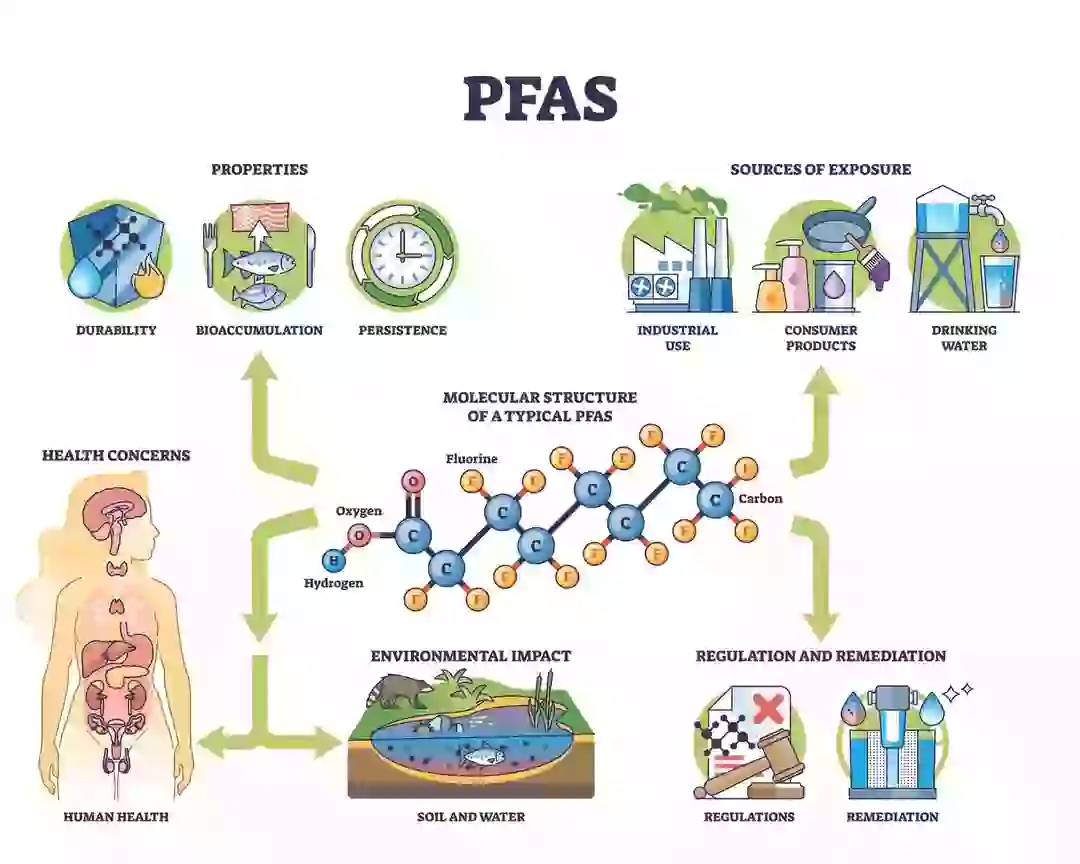
For decades, DuPont and 3M manufactured and distributed PFAS chemicals, commonly known as "forever chemicals" because they don't break down in the environment or the human body. These compounds were used in everything from non-stick cookware to water-resistant textiles. The companies publicly insisted these chemicals were safe. Regulators believed them. The public had no reason to doubt them.
But internal documents tell a different story entirely.
In the 1960s, both companies had already generated evidence that PFAS chemicals were toxic. By 1980, the problem became impossible to ignore: two of eight pregnant DuPont employees who had been exposed to C8, a specific PFAS compound, gave birth to children with birth defects. Neither company disclosed this to health authorities. The pattern continued as evidence accumulated—by the 1990s, DuPont's own research showed that PFOA, another PFAS variant, caused multiple types of cancerous tumors in laboratory animals.
3M's approach was methodical. The company conducted comprehensive toxicity studies throughout the 1970s. Rather than sharing these results with the EPA, which should have been evaluating the safety of chemicals entering commerce, 3M sat on the data. For over two decades, the research remained hidden. Only when external pressure mounted did the company begin, reluctantly, to acknowledge what it had known all along.
Get the 5 biggest receipts every week, straight to your inbox — plus an exclusive PDF: The Top 10 Conspiracy Theories Proven True in 2025-2026. No spam. No agenda. Just the papers they couldn't hide.
You just read "DuPont and 3M knew PFAS 'forever chemicals' were toxic since…". We send ones like this every week.
No one's said anything yet. Be the first to drop your take.
Confirmed: They Were Right
The truth comes out. Officially documented.
Confirmed: They Were Right
The truth comes out. Officially documented.
The tactics employed were straight out of the tobacco industry playbook. Rather than engage in straightforward debate about safety, the chemical companies enlisted friendly scientists, funded studies designed to produce favorable results, and created the impression of genuine scientific uncertainty where little actually existed. According to analysis in "The Devil they Knew," internal company documents show this was deliberate strategy, not the byproduct of honest disagreement.
The consequences have been severe. PFAS chemicals now contaminate drinking water supplies across the United States. Exposure has been linked to kidney cancer, testicular cancer, thyroid disease, and immune system suppression. Hundreds of thousands of people have been affected without their knowledge.
The financial reckoning came late. In 2023, 3M agreed to pay $10.3 billion to settle claims related to PFAS contamination. DuPont faced its own litigation. But settlements, however large, cannot undo decades of exposure or restore public trust.
What matters most about this case isn't the money or even the specific chemicals involved. It's what the evidence reveals about corporate accountability and the vulnerability of regulatory systems. When companies control the science, fund the research, and determine what information reaches regulators, the system fails. The public becomes an unwitting test subject for products that corporations already suspect are dangerous.
The PFAS story demonstrates how important it is to question the claims of manufacturers, especially when their financial interests are enormous. It shows that "we didn't know" often means "we knew but didn't tell." And it reminds us that regulatory agencies are only as effective as the information they receive—which means trusting corporations to honestly report their own findings is a strategy destined to fail.
Unlikely leak
Only 6.2% chance this would come out. It did.
Conspirators
~300Network
Secret kept
53.5 years
Time to 95% exposure
500+ years