Internal Philip Morris documents showed company scientists confirmed nicotine addiction and manipulated nicotine levels in cigarettes. CEO testified to Congress that nicotine was not addictive despite internal research proving otherwise.
From “crazy” to confirmed
The Claim Is Made
This is the moment they called it crazy.
When Philip Morris CEO William Campbell sat before Congress in April 1994, he made a categorical claim: nicotine was not addictive. He wasn't alone. Executives from the major tobacco companies made nearly identical statements, creating what became known as the "Marlboro Men" moment in legislative history. Their testimony seemed definitive, backed by what they suggested was the best available science.
What made this moment extraordinary wasn't the claim itself—it was what existed in filing cabinets across Philip Morris offices at the exact moment these denials were being broadcast to millions of Americans.
The company's own researchers had reached a starkly different conclusion years earlier. Internal Philip Morris documents showed that scientists working directly for the company had confirmed what independent researchers were saying: nicotine was addictive. The research wasn't marginal or uncertain. It demonstrated clear patterns of physical dependence, tolerance, and withdrawal symptoms that matched the scientific definition of addiction being used in the medical community.
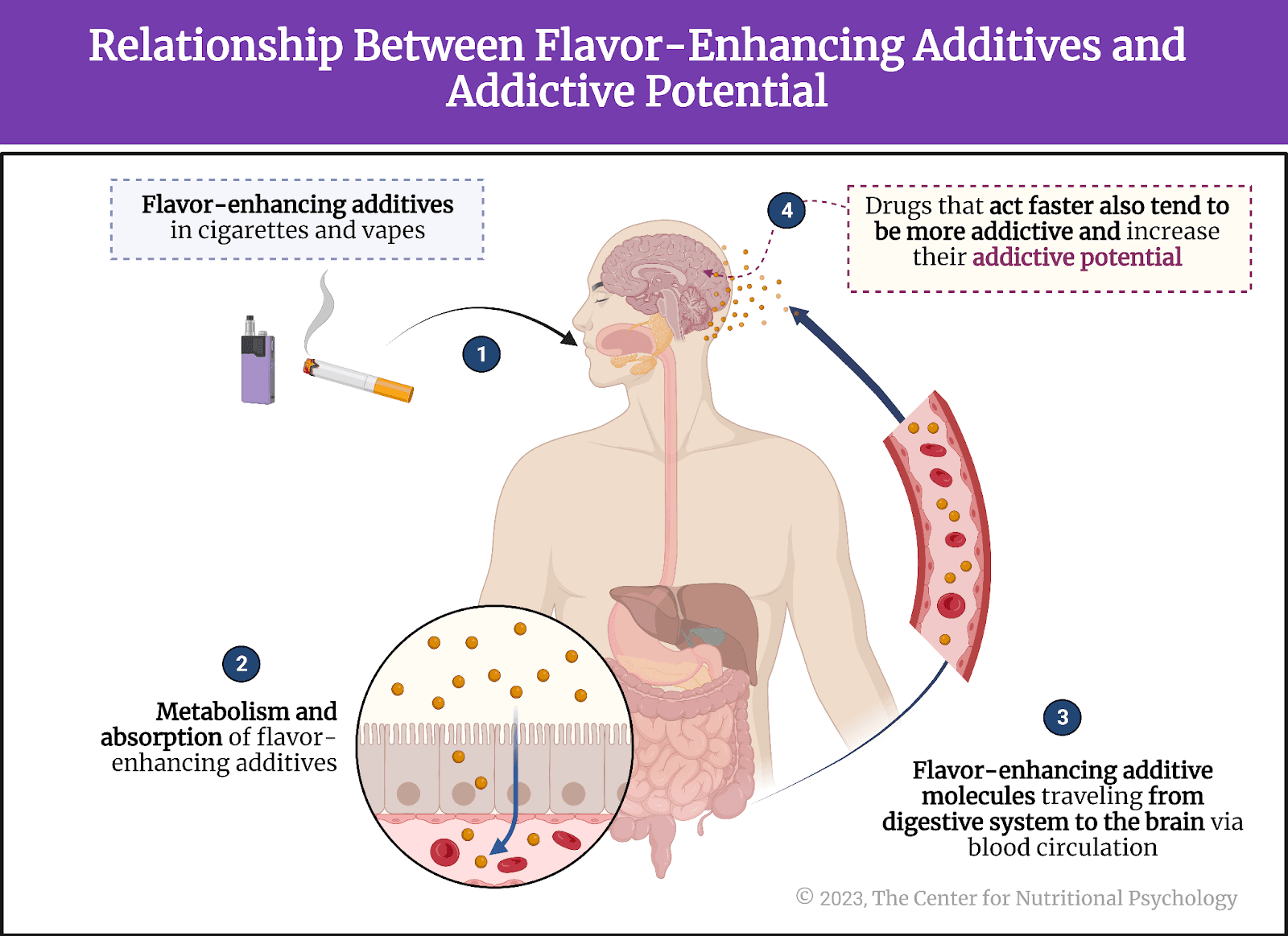
But the company did more than simply ignore this inconvenient truth. The documents revealed that Philip Morris had actively manipulated nicotine levels in cigarettes, adjusting them to maintain what the company understood to be addictive doses. This wasn't accidental chemistry or the normal variability of manufacturing. It was deliberate calibration based on the addiction science they had privately confirmed but publicly rejected.
For years, Philip Morris denied all of this. When external researchers published findings on nicotine addiction, the company disputed their methodology. When health organizations pointed to addiction patterns, Philip Morris questioned their evidence. The company suggested that any reported addiction was psychological, not physiological—a matter of habit rather than chemistry. The public messaging was consistent and unwavering: nicotine addiction hadn't been proven.
This position held significant weight with policymakers. If nicotine wasn't addictive, then cigarettes were simply a choice people made, however unwise. Addiction, by contrast, implied the product itself created involuntary dependence, which carried legal and regulatory implications the tobacco industry worked hard to avoid.
The internal documents eventually became public through litigation discovery processes that culminated in the Tobacco Master Settlement Agreement. Suddenly, the gap between what Philip Morris knew and what it had claimed became impossible to deny. The company hadn't been presenting a good-faith disagreement with other researchers. It had been presenting a false position while possessing contradictory evidence the entire time.
The significance extends beyond one company's dishonesty, significant as that is. This case demonstrated how corporate entities could maintain false public positions by compartmentalizing research, restricting information flow, and leveraging legitimate-seeming statements from executives. The strategy wasn't crude propaganda—it was sophisticated reputation management built on selective truth-telling.
For public trust, the implications remain relevant decades later. When corporations fund their own research, when executives testify about matters they may know differently, and when internal documents remain sealed or hidden, the public operates with incomplete information. The Philip Morris case showed that verification wasn't theoretical—it was possible through persistence and legal process. But it also showed how many years that verification could take, and how much damage could be done while claims went unproven.
Get the 5 biggest receipts every week, straight to your inbox — plus an exclusive PDF: The Top 10 Conspiracy Theories Proven True in 2025-2026. No spam. No agenda. Just the papers they couldn't hide.
You just read "Philip Morris research proved nicotine was addictive while p…". We send ones like this every week.
No one's said anything yet. Be the first to drop your take.