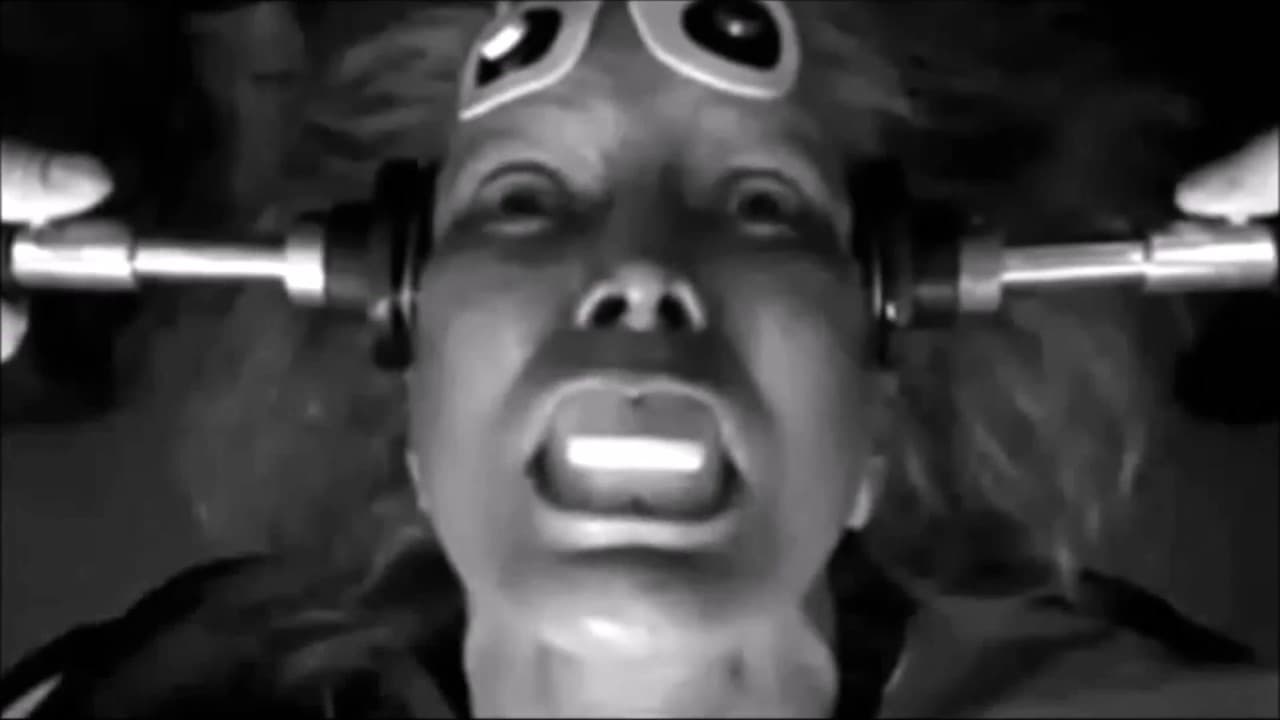
Declassified CIA documents revealed Project Artichoke used drugs, hypnosis, and psychological manipulation on subjects without consent to develop interrogation techniques, later informing media portrayals of brainwashing.
“The CIA does not conduct experiments on human subjects or develop mind control techniques”
From “crazy” to confirmed
The Claim Is Made
This is the moment they called it crazy.
When the CIA conducted Project Artichoke in the 1950s, hardly anyone outside the agency knew it existed. The program operated in the shadows, testing interrogation techniques that would eventually shape how America conducted intelligence operations—and how Hollywood portrayed psychological warfare.
The original claim came quietly, buried in declassified documents rather than shouted from headlines. Researchers and historians uncovered evidence that the CIA had systematically administered drugs like LSD, sodium pentothal, and other compounds to unwitting subjects. These individuals—prisoners, patients at psychiatric hospitals, and ordinary citizens—had no idea they were part of an experiment designed to break human resistance to interrogation.
The agency's official position, when pressed, was characteristically vague. The CIA neither confirmed nor outright denied these activities. When documents surfaced, they deflected by suggesting the program was limited in scope or had been discontinued. Officials framed it as a necessary evil born from Cold War paranoia, a desperate attempt to counter Soviet and Chinese interrogation methods that supposedly turned American prisoners into cooperative zombies.
The declassified documents told a different story entirely. Project Artichoke records revealed that the experiments were far more extensive than initially claimed. The program ran longer, touched more subjects, and operated with bureaucratic precision. Researchers documented detailed protocols for administering mind-altering substances, monitoring subjects' responses, and attempting to induce temporary amnesia or compliance through hypnotic suggestion and psychological manipulation.
Get the 5 biggest receipts every week, straight to your inbox — plus an exclusive PDF: The Top 10 Conspiracy Theories Proven True in 2025-2026. No spam. No agenda. Just the papers they couldn't hide.
You just read "Project Artichoke: CIA Tested Mind Control Techniques on Unw…". We send ones like this every week.
No one's said anything yet. Be the first to drop your take.
What made this particularly damning was the paper trail itself. The CIA didn't just conduct these experiments—they wrote them down. Memos detailed funding allocations, methodologies, and even the locations where tests occurred. Some records showed explicit awareness that subjects were non-consenting. There was no ambiguity in the language. These were not accidental oversights or rogue agents operating independently. This was institutional policy.
Beyond the raw facts, the declassified evidence revealed Project Artichoke's cultural influence. The techniques developed and tested during these experiments informed how intelligence agencies and media portrayed "brainwashing." Cold War narratives about American POWs becoming communist sympathizers often traced back to assumptions born from Project Artichoke's work. The very concept of mind control that permeated 1950s and 1960s American consciousness—in films, literature, and public anxiety—was partly shaped by what this program discovered and theorized.
The significance extends beyond historical curiosity. Project Artichoke represents a fundamental violation of the public trust by an institution granted extraordinary power in the name of national security. Crucially, it wasn't a fringe operation conducted by zealous individuals; it was an approved program with documented oversight and funding channels.
This case teaches a basic lesson that remains relevant: claims dismissed as paranoid conspiracy theories can later emerge as documented fact. The question isn't whether the CIA tested mind control techniques—the declassified documents confirm they did. The real question is what other programs remain classified, what other experiments were never documented, and what other institutional abuses hide behind the veil of national security clearance.
When government agencies finally admit to something once deemed impossible, we should ask why it took so long—and what else we've been wrong about.
Beat the odds
This had a 1.9% chance of leaking — someone talked anyway.
Conspirators
~100Network
Secret kept
48.8 years
Time to 95% exposure
500+ years