Navy secretly exposed 6,000 sailors to nerve agents and biological weapons from 1962-1974. Pentagon denied program existed until veterans' lawsuit forced disclosure in 2000.
“No US military personnel have been used in chemical or biological weapons testing”
From “crazy” to confirmed
The Claim Is Made
This is the moment they called it crazy.
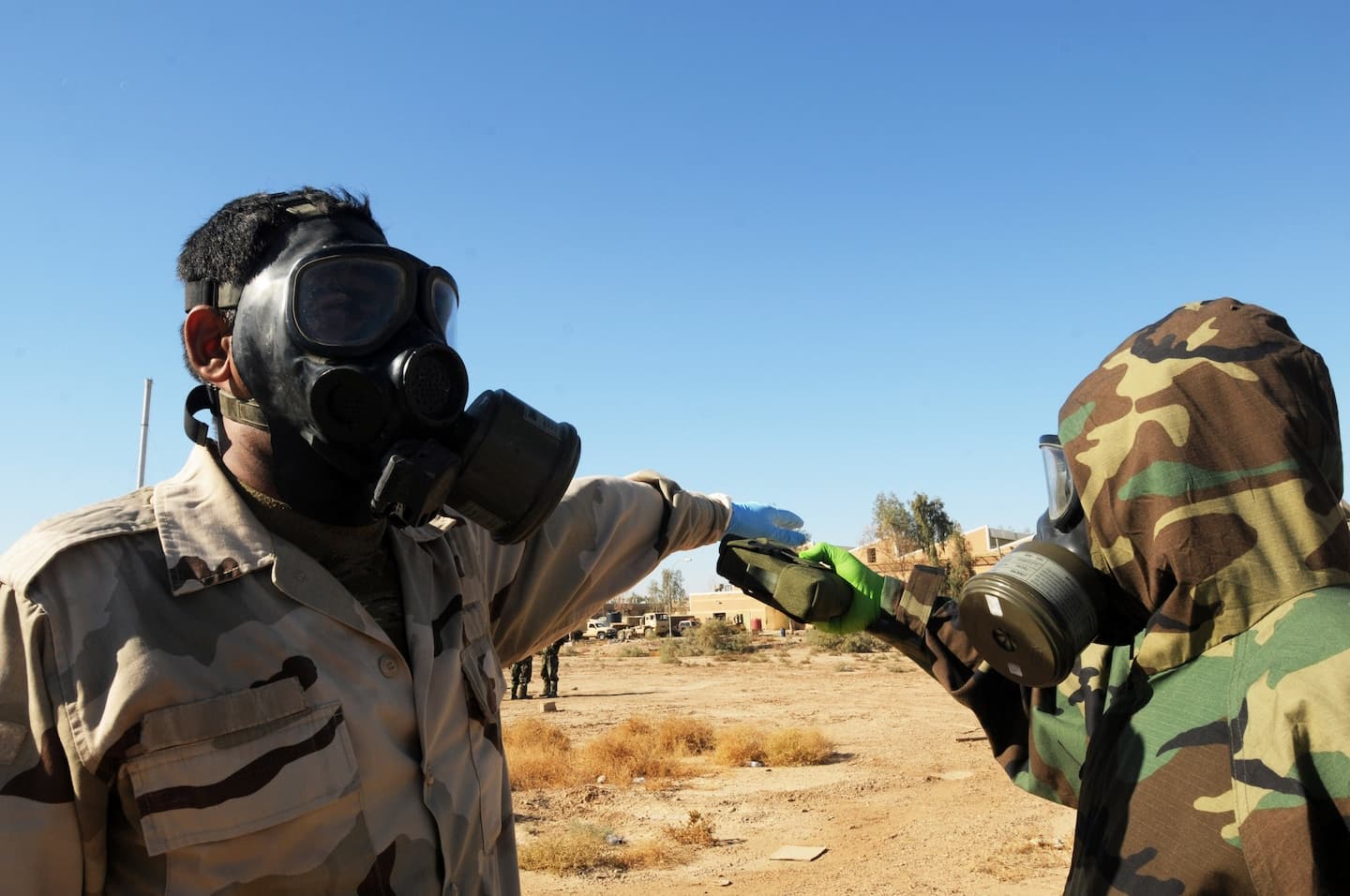
For twelve years, the U.S. Navy sprayed nerve agents and biological weapons on its own sailors while telling them they were participating in routine training exercises. Six thousand servicemen became unwitting test subjects in what became known as Project SHAD, a classified military program designed to assess how chemical and biological weapons might perform in naval warfare conditions.
The Navy conducted these experiments between 1962 and 1974, deliberately exposing sailors to agents like sarin nerve gas and various pathogens without their knowledge or informed consent. The tests took place aboard ships and at military installations, with sailors told they were involved in standard defense drills. Many participants experienced immediate physical symptoms—nausea, confusion, breathing difficulties—but received no clear explanation of what had been done to them or why.
When veterans began reporting health problems decades later, they weren't believed. The Pentagon flatly denied the program had ever existed. Military officials insisted there was no documentation of such activities and suggested the veterans' memories were faulty or distorted by time. For years, sailors who came forward with their accounts were met with institutional silence and skepticism. The government's position was unequivocal: Project SHAD was fiction.
The truth emerged only when veterans pursued legal action against the Department of Defense. A lawsuit forced the Pentagon's hand in the year 2000—nearly three decades after the program's conclusion. Declassified documents revealed the Navy's own records of the experiments, including detailed logs of exposures, the agents used, and observations of the sailors' reactions. The evidence was incontrovertible. The government had conducted chemical and biological weapons testing on American service members without their consent, covered it up, and then denied its existence when confronted.
Get the 5 biggest receipts every week, straight to your inbox — plus an exclusive PDF: The Top 10 Conspiracy Theories Proven True in 2025-2026. No spam. No agenda. Just the papers they couldn't hide.
You just read "Project SHAD Exposed Troops to Chemical and Biological Weapo…". We send ones like this every week.
No one's said anything yet. Be the first to drop your take.
The revelations included records showing military leadership knew exactly what they were doing. These weren't accidental exposures or theoretical exercises gone wrong. Senior Navy officials had authorized the program with the explicit purpose of understanding how biological and chemical agents behaved in maritime environments. The sailors' suffering was methodical, documented, and intentional.
What makes Project SHAD particularly significant is not just that the government lied—but how thoroughly and for how long. Officials didn't simply withhold information; they actively denied documented facts for three decades. Veterans seeking answers were branded as unreliable. Their medical problems, many of which only manifested years later, went untreated and uncompensated. Some suffered lifelong health consequences from exposures they didn't even know had occurred.
The case demonstrates a systemic problem with government accountability. When wrongdoing is classified and compartmentalized within military structures, institutions can maintain false narratives until external pressure becomes overwhelming. The legal system ultimately proved to be the mechanism through which truth emerged—not institutional honesty or official transparency.
Project SHAD remains a crucial reference point for understanding why public trust in government institutions eroded so significantly in the latter decades of the twentieth century. It's not a story about isolated bad actors or procedural mistakes. It's a story about institutional deception at scale, authorized by officials who believed the secrecy surrounding military operations placed them beyond accountability.
The lesson for citizens is straightforward: when official denials clash with persistent claims from credible witnesses, the documents sometimes support the witnesses.
Unlikely leak
Only 9.9% chance this would come out. It did.
Conspirators
~1,000Large op
Secret kept
26 years
Time to 95% exposure
500+ years