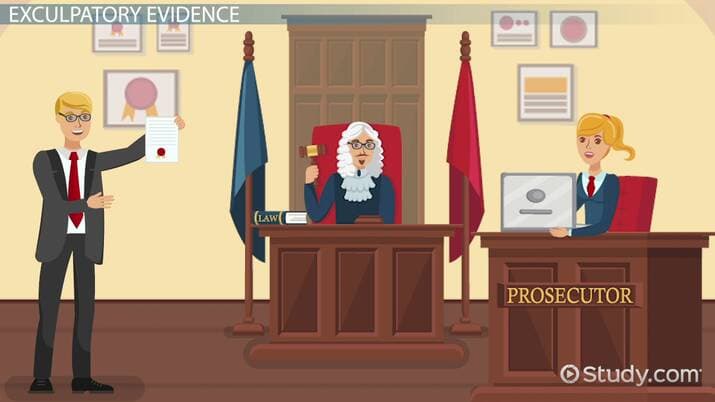
A 2013 study found prosecutors routinely violated Brady v. Maryland by hiding evidence that could prove defendants' innocence, with minimal consequences.
“Prosecutors have ethical obligations and follow proper disclosure procedures”
From “crazy” to confirmed
The Claim Is Made
This is the moment they called it crazy.
Every criminal defendant in America has a constitutional right to see evidence that could prove their innocence. The Supreme Court established this in Brady v. Maryland back in 1963. It sounds simple. It sounds settled. And yet, for decades, prosecutors have systematically ignored it—and largely gotten away with it.
In 2013, researchers studying prosecutorial misconduct uncovered something troubling: thousands of cases across the country showed a clear pattern of prosecutors hiding exculpatory evidence. Not in a handful of rogue offices. Not in isolated incidents. Systematically. The practice was so widespread it suggested something deeper than a few bad actors—it suggested a structural problem in how American law enforcement operates.
What makes this particularly significant is how little consequence came with getting caught. When violations were discovered, prosecutors faced minimal discipline. Some lost cases. A few faced sanctions. But criminal charges? Disbarment? Those remained vanishingly rare. The system had created, whether intentionally or not, an environment where the risk of punishment was so low that hiding evidence became almost routine.
The official response, when the issue was acknowledged at all, leaned heavily on reassurance. Prosecutors maintained that Brady violations were exceptions, not the rule. When challenged, many argued they were simply following their own internal judgment about what was "material" enough to disclose. In other words, they decided which evidence their opponents got to see. This circular logic—the person hiding the evidence determines whether hiding it was wrong—went largely unchallenged.
But the research told a different story. The evidence showed that exculpatory evidence was being withheld in cases involving eyewitness identification, DNA evidence, witness credibility, and prior statements by accusers. Some of these defendants spent years or decades in prison for crimes they didn't commit. DNA testing eventually freed many of them. Others never got their day in court, their convictions standing as permanent marks on their records.
What's particularly damning is that most of these violations followed a predictable pattern. The evidence that was hidden often would have been game-changing—it wasn't obscure or marginally relevant. Yet it stayed hidden, sometimes for years. When it finally emerged, it was often through accident, persistence by defense attorneys, or investigative work, not through prosecutors voluntarily complying with the law they were sworn to uphold.
The significance of this verified claim goes far beyond courtroom procedure. It strikes at something fundamental: if prosecutors can hide evidence that proves innocence and face minimal consequences, the entire system of criminal justice becomes a game rigged against the accused. Not because every prosecutor is corrupt, but because the structure allows corruption without real penalty.
For innocent people sitting in prison cells, the Brady violation isn't an interesting legal technicality—it's the reason they're there. For the families of crime victims, it means sometimes the wrong person is in prison while the actual criminal remains free. For public trust in institutions, it means knowing that even the most basic protections enshrined in constitutional law are routinely violated.
This isn't a claim that turned out to be true. It's an indictment of a system that knew these things were happening and chose, for decades, to look the other way.
Get the 5 biggest receipts every week, straight to your inbox — plus an exclusive PDF: The Top 10 Conspiracy Theories Proven True in 2025-2026. No spam. No agenda. Just the papers they couldn't hide.
You just read "Prosecutors Withheld Exculpatory Evidence in Thousands of Ca…". We send ones like this every week.
No one's said anything yet. Be the first to drop your take.