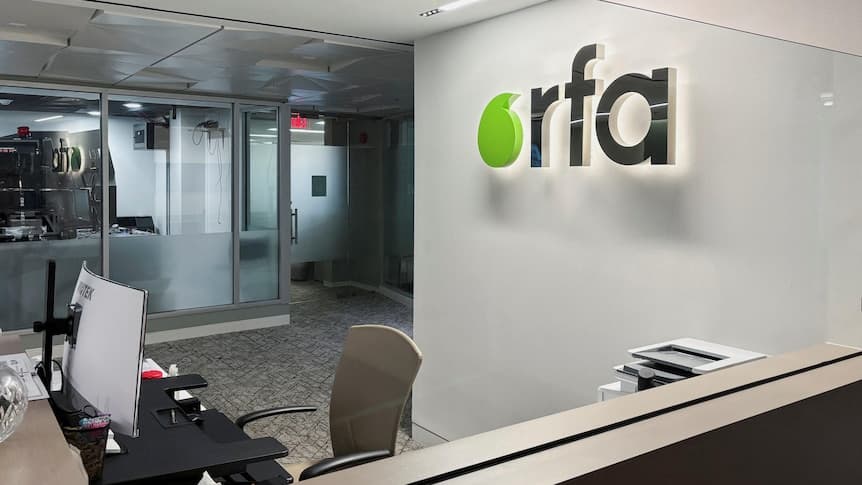
Declassified documents revealed Radio Free Asia was created and funded by the CIA to broadcast propaganda in Asian countries while presenting itself as an independent news organization promoting democratic values.
“Radio Free Asia is an independent, nonprofit news organization dedicated to uncensored reporting in Asia”
From “crazy” to confirmed
The Claim Is Made
This is the moment they called it crazy.
When Radio Free Asia first began broadcasting in 1951, it presented itself as exactly what its name suggested—a network dedicated to bringing free speech and independent journalism to listeners across Asia. For decades, the organization maintained this public image, positioning itself as a beacon of democratic values in regions where press freedom was restricted. Few questioned the premise. After all, who would suspect a news organization explicitly branded as "free radio" of being something else entirely?
The answer, as declassified documents would later confirm, was nearly everyone in a position to know the truth.
Radio Free Asia was conceived, funded, and operated by the Central Intelligence Agency from its inception. This wasn't a conspiracy theory whispered in dark corners—it was a deliberate intelligence operation disguised as independent media. The organization served as one of several CIA front operations designed to broadcast propaganda throughout Asia during the Cold War, all while maintaining the façade of being an autonomous news organization committed to democratic principles.
For years, official denials were swift and consistent. The State Department and CIA representatives insisted that Radio Free Asia operated with editorial independence, that it was funded through appropriations and maintained journalistic integrity separate from any government agenda. The organization itself adamantly rejected suggestions of CIA involvement as unfounded conspiracy thinking. Anyone questioning the independence of Radio Free Asia risked being dismissed as paranoid or propagandistic themselves.
Yet the documentary evidence told a different story. CIA documents and Congressional records revealed the full scope of the agency's control over Radio Free Asia's operations. The organization was created under CIA direction, received its primary funding from CIA allocations, and operated under intelligence community oversight that determined its broadcast priorities and content strategy. The "news" being reported was fundamentally shaped by intelligence objectives rather than journalistic standards.
Get the 5 biggest receipts every week, straight to your inbox — plus an exclusive PDF: The Top 10 Conspiracy Theories Proven True in 2025-2026. No spam. No agenda. Just the papers they couldn't hide.
You just read "Radio Free Asia Operated as CIA Front Organization Disguised…". We send ones like this every week.
No one's said anything yet. Be the first to drop your take.
What made this particularly significant was not simply that the CIA funded a propaganda operation—intelligence agencies have done this throughout history. What mattered was the systematic deception involved. Radio Free Asia presented itself to both listeners and the American public as an independent voice for free speech. This branding was itself propaganda, designed to make CIA messaging appear to come from credible, neutral sources. Asian audiences believed they were hearing journalism; they were hearing intelligence operations.
The implications ripple across decades and continue today. This case demonstrates how institutional authority and official denials can obscure reality for extended periods. Millions of listeners across Asia received information they believed came from independent sources when it actually originated from U.S. intelligence assessments and strategic interests. The credibility of legitimate independent media became muddied by association with operations masquerading as journalism.
Understanding what Radio Free Asia actually was matters now because the same structural patterns persist. Recognizing how organizations can maintain false public identities while serving hidden purposes is essential for anyone trying to navigate modern information ecosystems. This isn't about paranoia—it's about understanding that institutions sometimes operate with fundamental duplicity about their own nature and funding.
The Radio Free Asia case proves that cynicism about official explanations isn't unreasonable. Sometimes, what institutions tell you about themselves is fundamentally false.
Beat the odds
This had a 1.1% chance of leaking — someone talked anyway.
Conspirators
~100Network
Secret kept
27.2 years
Time to 95% exposure
500+ years