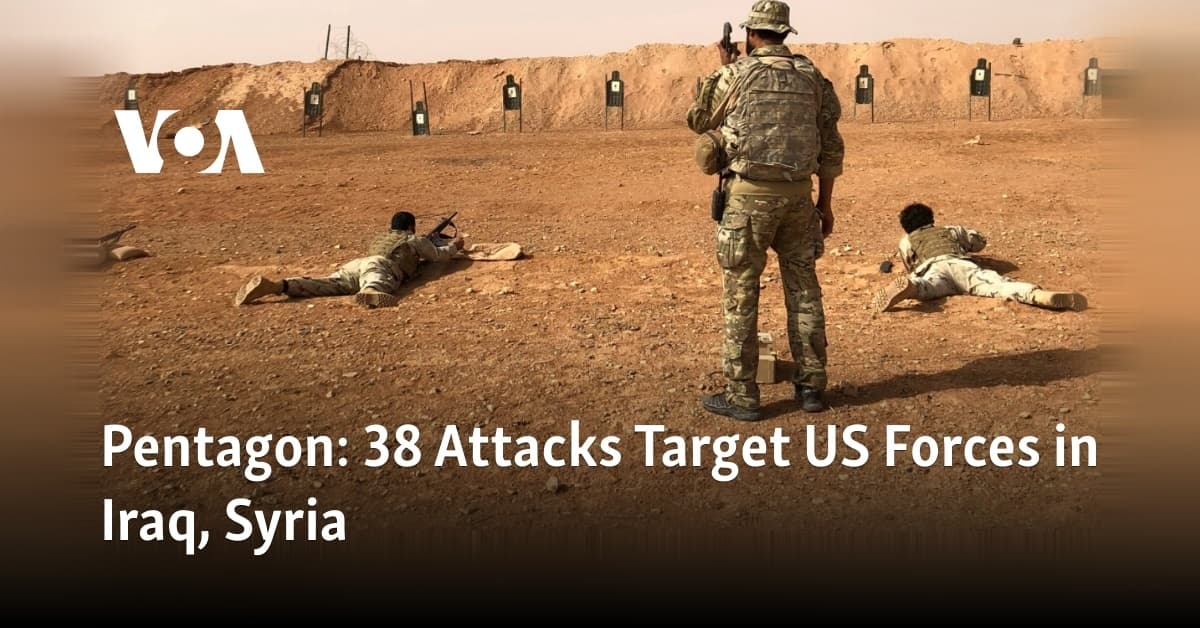
The PR firm planted hundreds of fake news stories in Iraqi newspapers and created fake radio stations. Pentagon contracts aimed to influence Iraqi public opinion through fabricated journalism.
“We only provide factual information to support democratic institutions in Iraq”
From “crazy” to confirmed
The Claim Is Made
This is the moment they called it crazy.
During the early 2000s, as American forces occupied Iraq, the U.S. military faced a persistent problem: winning the information war. The solution, it turned out, involved paying a private PR firm to flood Iraqi newspapers with fabricated stories designed to make the occupation look good and opponents look bad. The firm was called Rendon Group, and the Pentagon contracts were worth over $100 million.
Rendon Group wasn't a household name, but its reach was extraordinary. The firm, founded by John Rendon in 1991, had built a reputation for sophisticated perception management. When the Pentagon needed to shape Iraqi public opinion without American fingerprints on the effort, Rendon was there. Between 2003 and the early 2010s, the firm planted hundreds of fake news stories in Iraqi newspapers and created fake radio stations—all designed to influence how ordinary Iraqis thought about the war and the occupation.
For years, this operation remained largely obscure, known mainly to those who followed military contracting closely. When details began emerging, official responses were cautious. Pentagon spokespersons and the firm itself characterized the work as "strategic communications" and "public affairs." The language was designed to make psychological operations sound like routine PR work. Critics and journalists who questioned these programs were often dismissed as conspiracy theorists or accused of misunderstanding how modern military operations function.
But the documentation tells a different story. Contracts show Rendon Group received substantial Pentagon funding specifically for "information operations" in Iraq. Internal communications, later disclosed, revealed the firm understood it was creating fabricated content for distribution in local media. The stories weren't labeled as American propaganda. They were designed to appear as authentic Iraqi journalism. Some stories praised reconstruction efforts. Others demonized insurgents. A few spread false information about weapons or security threats. The goal was always the same: manipulate Iraqi public opinion.
Get the 5 biggest receipts every week, straight to your inbox — plus an exclusive PDF: The Top 10 Conspiracy Theories Proven True in 2025-2026. No spam. No agenda. Just the papers they couldn't hide.
You just read "Rendon Group received $100+ million in Pentagon contracts to…". We send ones like this every week.
No one's said anything yet. Be the first to drop your take.
What made this verifiable wasn't just one source or one leaked memo. Multiple investigations, including reporting by outlets like the BBC and The Nation, cross-referenced Pentagon contracts, Rendon Group's own business records, and testimonies from people involved in the operations. The company's Wikipedia entry, drawing from these documented sources, confirms the basic facts: Rendon Group did operate fake media outlets in Iraq, did plant stories in real newspapers, and did receive over $100 million in Pentagon contracts for these activities.
The verification of this claim matters because it demonstrates something uncomfortable about modern warfare. Governments don't just compete for territory or military advantage anymore—they compete for narrative control. Using private contractors to do the work creates plausible deniability. The public faces an information environment deliberately poisoned by people claiming to represent their interests.
For citizens trying to understand what's true, this history offers a sobering lesson. If the Pentagon paid contractors to plant fake stories in foreign media, the question becomes unavoidable: what similar operations might exist closer to home? The trust we place in media institutions depends partly on our confidence that the information reaching us is authentic. When governments systematically exploit that trust as a military tool, the damage extends far beyond Iraq.
Beat the odds
This had a 0.8% chance of leaking — someone talked anyway.
Conspirators
~100Network
Secret kept
20.4 years
Time to 95% exposure
500+ years