A scientist's account of pharmaceutical industry suppression of effective cancer treatments went mega-viral on Instagram. The scientist detailed how promising treatments were shelved because they weren't profitable enough compared to existing chemotherapy drugs.
“A scientist's account of pharmaceutical industry suppression of effective cancer treatments went mega-viral on Instagram. The scientist detailed how promising treatments were shelved because they weren't profitable enough compared to existing chemotherapy drugs.”
A scientist went viral on Instagram with a devastating claim: the pharmaceutical industry buried an effective cancer treatment because it wasn't profitable enough. The post was shared millions of times because it confirmed what cancer patients have long suspected — the industry profits from treatment, not cures.
Cancer treatment generates roughly $200 billion annually worldwide. A cure would destroy that market overnight. The pharmaceutical industry's fiduciary duty is to shareholders, not patients. From a pure business perspective, a treatment that requires years of ongoing purchases is infinitely more valuable than a cure that works once.
This isn't the first time. In the 1990s, the EPO drug scandal saw Johnson & Johnson push dangerous dosing of a cancer drug to maximize profits. STAT News documented how the scandal "explains RFK Jr.'s agenda" — the pattern of pharma putting profits over patients is so well-documented that it's now driving policy discussions.
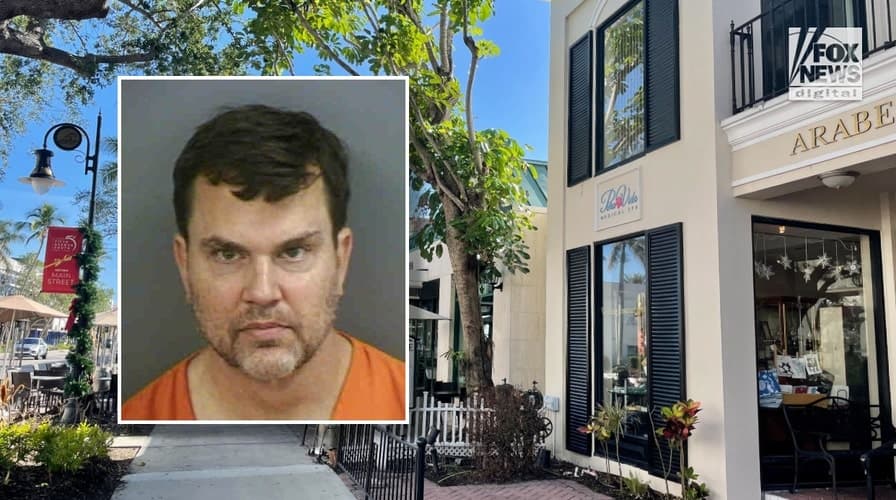
The DOJ recently sentenced the owners and CEO of a wholesale pharmaceutical company for distributing more than $92 million in black market drugs. When the system that's supposed to regulate pharma is processing billion-dollar fraud cases, the industry isn't being regulated — it's being managed.
Get the 5 biggest receipts every week, straight to your inbox — plus an exclusive PDF: The Top 10 Conspiracy Theories Proven True in 2025-2026. No spam. No agenda. Just the papers they couldn't hide.
You just read "A scientist went viral for exposing a cancer drug cover-up —…". We send ones like this every week.
No one's said anything yet. Be the first to drop your take.
Beat the odds
This had a 0.3% chance of leaking — someone talked anyway.
Conspirators
~300Network
Secret kept
2.4 years
Time to 95% exposure
500+ years