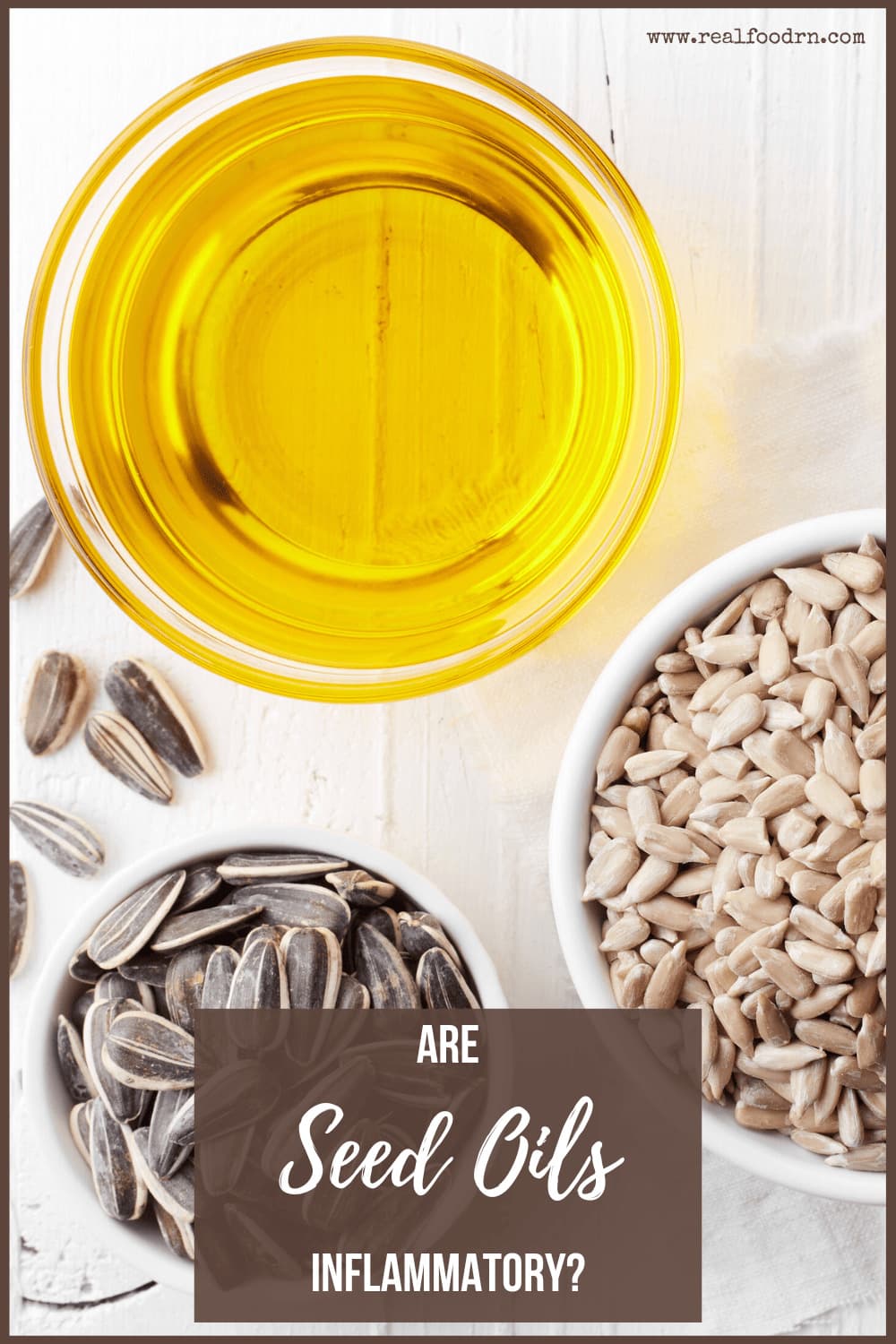
Once dismissed as fringe health claims, concerns about industrial seed oils entered mainstream discourse. While conspiracy communities claim seed oils are toxic, the scientific evidence is nuanced: some studies show omega-6 PUFAs are cardioprotective when replacing saturated fats, but concerns about oxidation during high-heat cooking and overconsumption of omega-6 relative to omega-3 are increasingly validated by researchers at Johns Hopkins and Cleveland Clinic.
“Industrial seed oils like canola, soybean, and sunflower oil are inflammatory and contributing to chronic disease epidemics.”
What they said vs. what the evidence shows
From “crazy” to confirmed
The Claim Is Made
This is the moment they called it crazy.
For years, people who worried about seed oils in their food were treated like conspiracy theorists. Nutritionists dismissed their concerns. Food companies defended their products. The mainstream media largely ignored the debate, leaving it to fringe wellness communities and alternative health practitioners who made increasingly dramatic claims about vegetable oil toxicity.
But something shifted in recent years. Major medical institutions like Johns Hopkins and the Cleveland Clinic began publishing research that validated at least some of these concerns. The narrative wasn't exactly what the conspiracy communities had claimed, but it was close enough that it forced a reckoning about who had been right and who had been wrong.
The original claim was straightforward: industrial seed oils—including canola, soybean, sunflower, and corn oil—were making people sick. Proponents argued these oils were unnaturally processed, high in inflammatory omega-6 fatty acids, and particularly dangerous when heated to high cooking temperatures. They pointed to the simultaneous rise of seed oil consumption and chronic diseases like heart disease, obesity, and autoimmune conditions. For decades, this argument was confined to health blogs and alternative medicine circles.
The official response was dismissive. The American Heart Association and other mainstream health organizations recommended seed oils as healthier alternatives to saturated fats like butter and coconut oil. Studies seemed to show that omega-6 polyunsaturated fats were actually cardioprotective. Anyone questioning this consensus was labeled a crank.
What changed was the quality of research. Recent studies examined not just whether seed oils were better than saturated fats in isolation, but how they actually performed in real-world consumption patterns. Johns Hopkins research highlighted concerns about oxidative stress—the chemical damage that occurs when seed oils are heated to high temperatures. Other institutions found legitimate issues with the ratio of omega-6 to omega-3 fatty acids in modern diets, particularly the overconsumption of omega-6 without adequate omega-3 intake.
The Sigma Nutrition analysis, "Seed Oils on Trial: Is the Panic Justified?", captures the nuance perfectly. The panic wasn't entirely justified—seed oils aren't the toxic substances conspiracy theorists claimed. But the concerns weren't baseless either. The science suggests the real problem is more complicated: the dose, the temperature at which oils are heated, and the overall dietary balance matter enormously.
This matters because it exposes a genuine gap in how scientific institutions communicate with the public. For years, the mainstream response to seed oil skepticism was monolithic dismissal rather than nuanced engagement with the actual questions being asked. When legitimate scientists later validated certain concerns, it looked like institutions had been wrong while the skeptics had been right—even though the full story was more complicated.
The seed oil debate teaches us something important about conspiracy culture and scientific consensus. When legitimate questions get met with institutional dismissal rather than serious engagement, people reasonably lose trust. They start seeking answers elsewhere. And when those institutions are eventually forced to acknowledge complexity they'd previously denied, it reinforces the narrative that official sources can't be trusted.
The truth about seed oils isn't that the conspiracy theorists were entirely correct. It's that dismissing reasonable health questions with blanket reassurance was a strategic mistake.
Get the 5 biggest receipts every week, straight to your inbox — plus an exclusive PDF: The Top 10 Conspiracy Theories Proven True in 2025-2026. No spam. No agenda. Just the papers they couldn't hide.
You just read "Seed oils and their inflammatory effects became a mainstream…". We send ones like this every week.
No one's said anything yet. Be the first to drop your take.