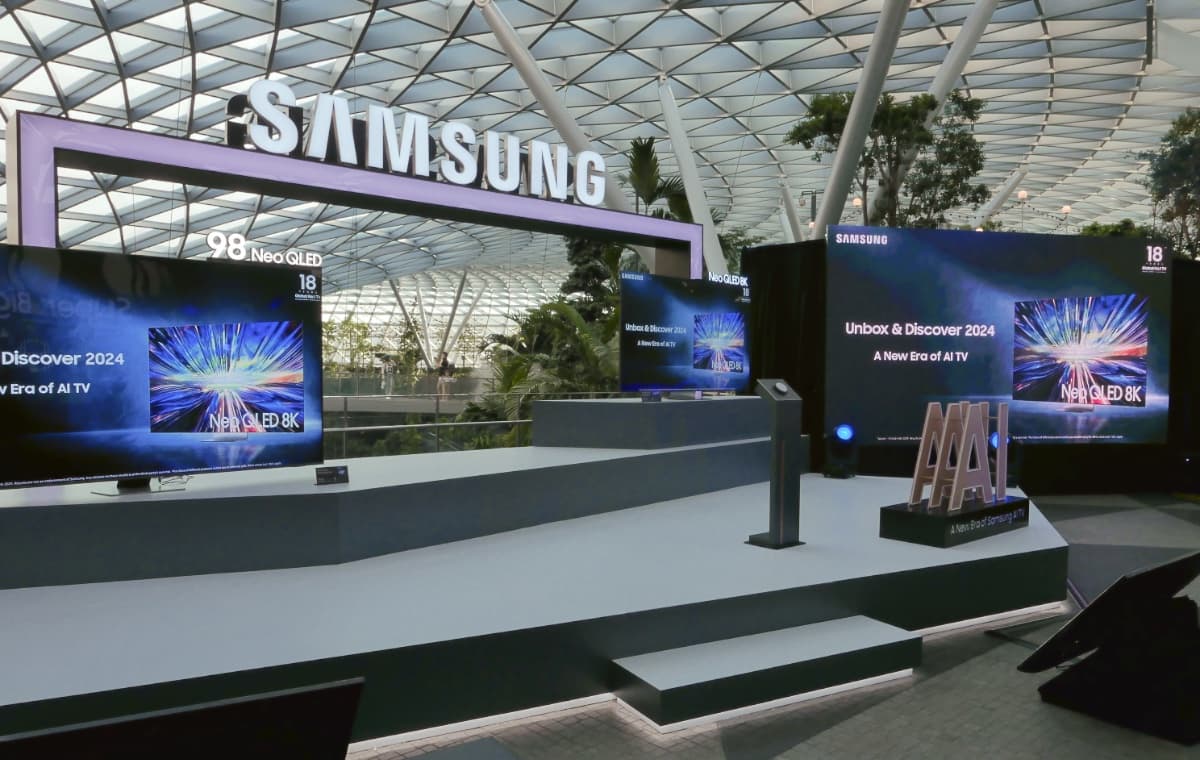
In 2015, Samsung's privacy policy admitted 'if your spoken words include personal or other sensitive information, that information will be among the data captured and transmitted to a third party' — and voice data was transmitted unencrypted. LG admitted in 2013 its smart TVs collected viewing habits even when data sharing was turned off. WikiLeaks' Vault 7 revealed the CIA's 'Weeping Angel' program could turn Samsung TVs into covert listening devices even when apparently powered off.
“Your smart TV is literally spying on you — recording your conversations and sending data to corporations and intelligence agencies.”
What they said vs. what the evidence shows
“Samsung takes consumer privacy very seriously. Voice data is only collected when the voice recognition feature is activated.”
— Samsung Electronics · Feb 2015
SourceFrom “crazy” to confirmed
The Claim Is Made
This is the moment they called it crazy.
When privacy advocates raised concerns in the early 2010s about whether connected televisions were listening to viewers, manufacturers dismissed the worries as paranoid conjecture. The idea seemed far-fetched: why would a TV company need to hear your living room conversations? Yet within a few years, the companies themselves admitted to doing exactly that.
Samsung's 2015 privacy policy contained a buried admission that changed the conversation. The company stated plainly: "if your spoken words include personal or other sensitive information, that information will be among the data captured and transmitted to a third party." The voice data was sent unencrypted across the internet. The company framed this as a necessary feature of its voice recognition service, but the policy made clear that sensitive information—financial details, health concerns, private conversations—was being collected and shared without meaningful consent.
LG had already been caught in a similar trap two years earlier. In 2013, security researchers discovered that LG's smart TVs were collecting detailed viewing habits and transmitting this data back to the company's servers. More damning was the finding that this tracking continued even when users believed they had disabled data collection in the settings menu. The company's response was limited acknowledgment followed by software patches—no meaningful explanation of why the feature existed in the first place or how long it had been running.
The revelations took on a darker dimension in 2017 when WikiLeaks released the CIA's Vault 7 materials. Among the thousands of documents was a program called "Weeping Angel," which detailed how could compromise Samsung smart TVs and turn them into covert surveillance devices. The TV could be made to appear powered off while its microphone continued recording. This wasn't theoretical—it was operational capability that had been tested and deployed.
Get the 5 biggest receipts every week, straight to your inbox — plus an exclusive PDF: The Top 10 Conspiracy Theories Proven True in 2025-2026. No spam. No agenda. Just the papers they couldn't hide.
You just read "Samsung and LG smart TVs were confirmed to be recording and …". We send ones like this every week.
No one's said anything yet. Be the first to drop your take.
Confirmed: They Were Right
The truth comes out. Officially documented.
Confirmed: They Were Right
The truth comes out. Officially documented.
The significance of these revelations extends beyond individual privacy breaches. These were not glitches or isolated incidents. They were deliberate design choices made by major corporations, embedded in products sitting in millions of homes. The companies involved were among the world's largest technology manufacturers with resources and expertise to understand the implications of their choices.
What made these admissions particularly damaging was the pattern of dismissal that preceded them. When security researchers first raised alarms, the response was often silence or deflection. Only when evidence became undeniable did companies acknowledge what they had built into their products. By then, millions of devices were already installed and collecting data.
For consumers and policymakers, the lesson was clear: the trust gap between manufacturers and users had become structural. A company's privacy policy or marketing claims could not be taken at face value. The only way to know what a device actually did was to force it open—technically or legally—and examine it closely.
These cases established a crucial precedent. Claims about mass surveillance in private spaces, when made by security experts or privacy advocates, could no longer be dismissed as conspiracy thinking. Major corporations had demonstrated they were willing to collect intimate data from their customers' homes. The question was never whether this *could* happen. These verified cases proved it already had.
Beat the odds
This had a 0.2% chance of leaking — someone talked anyway.
Conspirators
~150Network
Secret kept
3.3 years
Time to 95% exposure
500+ years