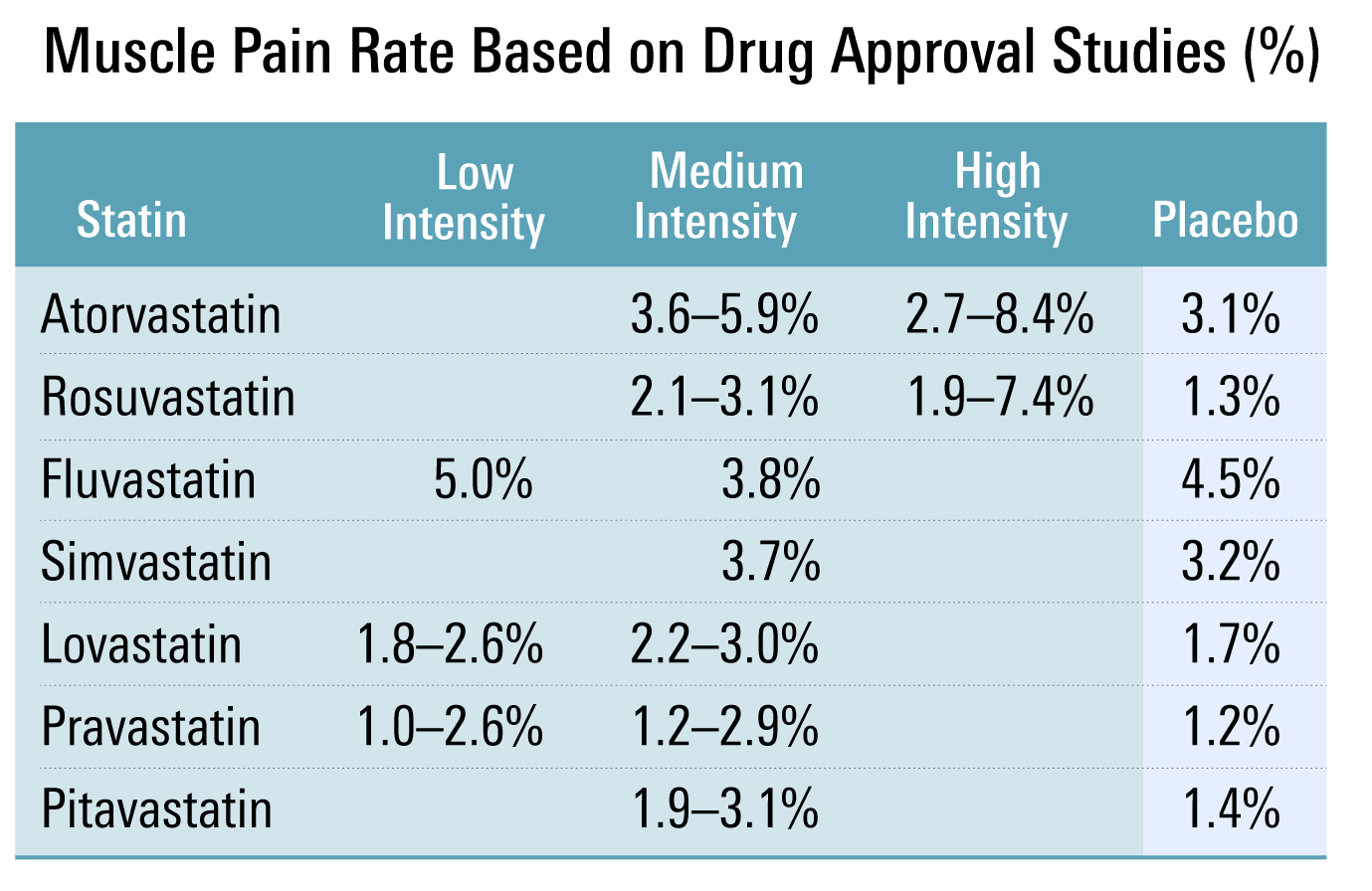
For decades, patient complaints about statin-related muscle pain were minimized. While large meta-analyses found that only ~1% of muscle symptoms were attributable to statins, a January 2026 study finally identified the precise molecular trigger: statins jam open a critical muscle protein, causing a toxic calcium leak. This validated the real mechanism behind complaints that affected medication adherence for millions of patients.
“Pharmaceutical companies and researchers are suppressing and minimizing the real side effects of statins to protect a multi-billion dollar market.”
What they said vs. what the evidence shows
“The benefits of statins far outweigh the risks. Most reported side effects are attributable to the nocebo effect.”
— American Heart Association · Mar 2019
SourceFrom “crazy” to confirmed
The Claim Is Made
This is the moment they called it crazy.
For millions of Americans taking statins to lower cholesterol, the side effects were real enough to stop taking their medication. Muscle pain, weakness, and cramping—sometimes severe—kept patients from refilling prescriptions and prompted countless conversations with their doctors. But for decades, those doctors had little to offer beyond skepticism. Medical consensus held that statin-related muscle problems were largely psychological, products of nocebo effects where patients expected to feel pain and therefore did.
The dismissal was systematic and institutional. Even as patient complaints accumulated, the pharmaceutical industry and large portions of the medical establishment maintained that large-scale studies showed statins caused muscle problems in only about 1% of users. The logic seemed sound enough: if rigorous trials couldn't reliably demonstrate a connection, then complaints about pain were either coincidental or imagined. For patients caught between their need for heart disease prevention and debilitating side effects, this left them in an impossible position—take the medication and suffer, or abandon proven cardiovascular protection.
What made this dismissal particularly consequential was its impact on medication adherence. Millions of patients stopped taking statins because their legitimate complaints weren't being heard, not because the drugs didn't work. They weren't rejecting medical science; they were responding rationally to persistent symptoms that doctors told them probably weren't real.
The breakthrough came in January 2026, when researchers finally identified the precise molecular mechanism behind the pain. The discovery revealed that statins literally jam open a critical muscle protein, triggering a toxic calcium leak inside muscle cells. This wasn't speculation or anecdotal evidence. It was a identified, reproducible biological mechanism—exactly what skeptics had said was missing all along.
Get the 5 biggest receipts every week, straight to your inbox — plus an exclusive PDF: The Top 10 Conspiracy Theories Proven True in 2025-2026. No spam. No agenda. Just the papers they couldn't hide.
You just read "Statin muscle pain was dismissed for years until scientists …". We send ones like this every week.
No one's said anything yet. Be the first to drop your take.
Confirmed: They Were Right
The truth comes out. Officially documented.
Confirmed: They Were Right
The truth comes out. Officially documented.
The significance of this finding extends beyond muscle pain treatment. It's a case study in how institutional skepticism, however well-intentioned, can marginalize patient experience for years. Doctors weren't malicious in doubting their patients; they were following the available science as they understood it. But the available science was incomplete. The studies showing low rates of statin-related muscle problems hadn't identified the mechanism because the molecular biology wasn't yet understood. The absence of explanation was mistaken for the absence of problem.
This matters profoundly for public trust in medicine and pharmaceutical oversight. When patients report symptoms and are systematically told those symptoms aren't real, they learn either to distrust their own perception or to distrust their doctors. The January 2026 study should serve as a reminder that the frontier between "not yet explained" and "not real" is crucial. A symptom without a mechanism isn't the same as a symptom that doesn't exist.
For the millions who stopped taking statins because they didn't feel heard, this vindication comes late. For ongoing patients experiencing muscle pain, it means doctors can now point to actual biology rather than reassurance. And for the broader medical enterprise, it's a humbling reminder that patient complaints deserve investigation even when they don't fit current theories.
The claim was partially verified because while the molecular mechanism is now proven, the actual incidence of statin-induced muscle pain remains debated. But the core complaint—that real muscle damage was happening and being dismissed—has finally been validated by science.
Beat the odds
This had a 1.7% chance of leaking — someone talked anyway.
Conspirators
~300Network
Secret kept
14.1 years
Time to 95% exposure
500+ years