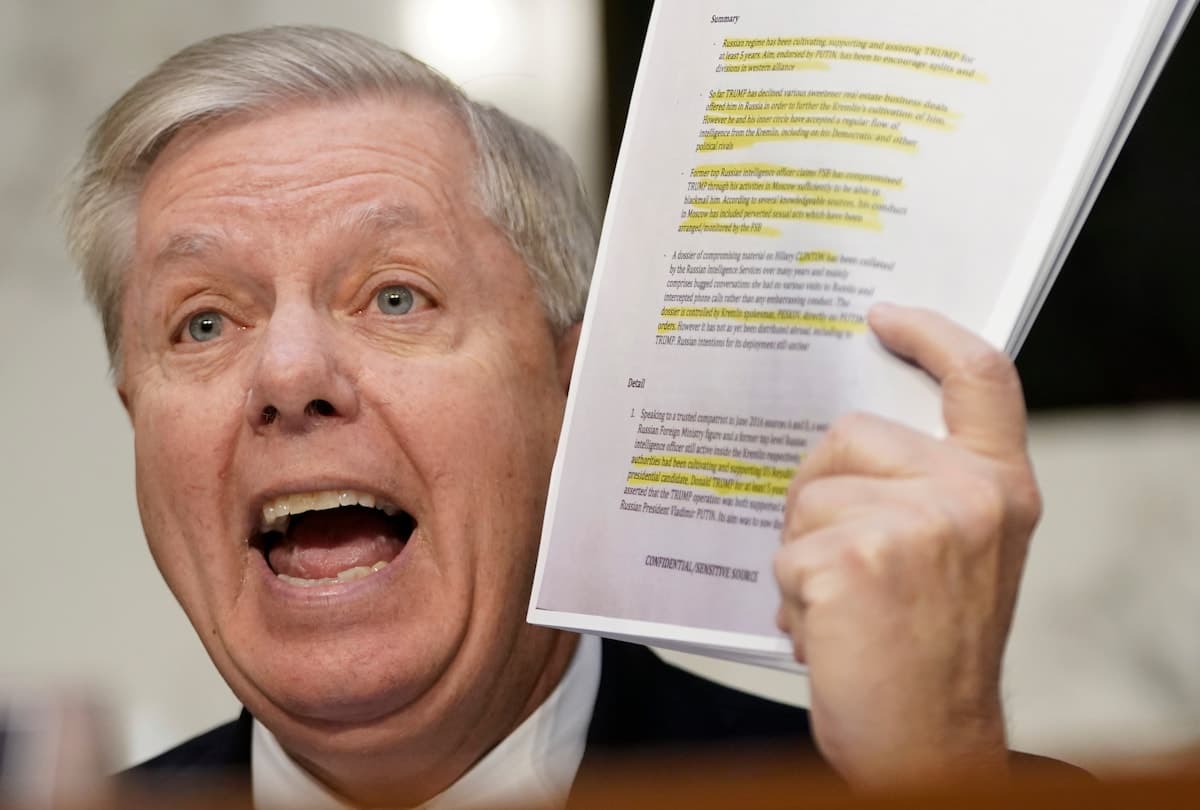
The Steele Dossier, funded by the Clinton campaign through Fusion GPS, was treated as credible by major outlets. BuzzFeed published it in full in January 2017. CNN, MSNBC, and the Washington Post built years of coverage around its claims. The FBI used it to obtain FISA warrants to surveil Trump campaign advisor Carter Page. Durham found the FBI offered Steele $1 million for corroboration — he provided none. Multiple Dossier claims were debunked: the alleged Prague meeting never happened, and key source Igor Danchenko was charged with lying to the FBI.
“The Steele Dossier is an unverified political document funded by the Clinton campaign and laundered through media as intelligence product. The media is knowingly amplifying unverified claims.”
What they said vs. what the evidence shows
“We published the dossier so that Americans can make up their own minds about allegations about the president-elect that have circulated at the highest levels of the US government.”
— BuzzFeed Editor-in-Chief Ben Smith · Jan 2017
SourceFrom “crazy” to confirmed
The Claim Is Made
This is the moment they called it crazy.
In January 2017, BuzzFeed published a 35-page document alleging that Donald Trump had compromised ties to Russia and had engaged in salacious conduct during a Moscow hotel visit. The document, known as the Steele Dossier, came from British intelligence officer Christopher Steele and was funded by the Clinton campaign through the opposition research firm Fusion GPS. Within days, major news organizations treated it as legitimate investigative material worth extensive coverage.
For years, CNN, MSNBC, and the Washington Post built significant portions of their Trump-Russia coverage around the dossier's claims. The document became the foundation for countless segments, articles, and on-air discussions about potential collusion between the Trump campaign and Russia. At no point did major outlets clearly disclose to audiences that this was unverified opposition research funded by a political candidate. The framing suggested it was credible intelligence.
The dossier also made its way into official channels. The FBI used the document to help justify FISA warrants to surveil Trump campaign advisor Carter Page. According to the 2023 Durham Report on the FBI's handling of the Russia investigation, the FBI even offered Steele $1 million to corroborate the dossier's claims. Steele never provided the verification.
When skeptics questioned the dossier's credibility, media outlets and officials dismissed these concerns. They insisted the document deserved serious consideration. Critics were portrayed as dismissing intelligence professionals or pushing conspiracy theories. The official narrative held that the dossier, while containing some unverified elements, pointed toward genuine concerns about Trump and Russia.
The evidence that contradicted this narrative took years to emerge. Investigations revealed that multiple specific claims in the dossier were false. The alleged Prague meeting between Trump campaign operative Michael Cohen and Russian officials—one of the dossier's most serious allegations—never happened. Igor Danchenko, the dossier's primary source inside Russia, was later charged with lying to about how he obtained information. In 2021, the FBI agreed to pay Danchenko $229,000 to settle a lawsuit over how agents treated him, but the underlying fact remained: key claims in the document were unverified at best, fabricated at worst.
Get the 5 biggest receipts every week, straight to your inbox — plus an exclusive PDF: The Top 10 Conspiracy Theories Proven True in 2025-2026. No spam. No agenda. Just the papers they couldn't hide.
You just read "Major media promoted the Steele Dossier as credible despite …". We send ones like this every week.
No one's said anything yet. Be the first to drop your take.
Confirmed: They Were Right
The truth comes out. Officially documented.
Confirmed: They Were Right
The truth comes out. Officially documented.
The Durham Report documented how the dossier's questionable origins and unverified nature were known to officials but not adequately communicated to the public. The investigation showed that intelligence analysts had concerns about the document early on, yet media outlets continued to treat it as credible material for years.
This matters because it reveals a critical failure in how information reaches the public. When major news organizations don't disclose the origins of sources, don't verify claims before amplifying them, and don't correct their coverage when evidence emerges, they undermine their own credibility. The Steele Dossier case demonstrates how unverified opposition research can shape national political discourse if treated as fact by trusted institutions.
Public trust in media requires transparency about sources and a willingness to correct course. When that doesn't happen, citizens reasonably question what else they're being told without full context. The dossier wasn't just a failed news story—it was a lesson in how institutional credibility breaks down.
Beat the odds
This had a 0.2% chance of leaking — someone talked anyway.
Conspirators
~100Network
Secret kept
4.8 years
Time to 95% exposure
500+ years