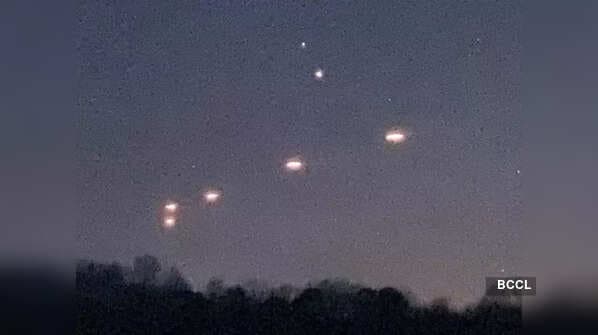
The military initially denied any aircraft in the area during 2008 Stephenville UFO sightings, later admitting F-16s were conducting training exercises there.
“No military aircraft were operating in the Stephenville area during that timeframe”
From “crazy” to confirmed
The Claim Is Made
This is the moment they called it crazy.
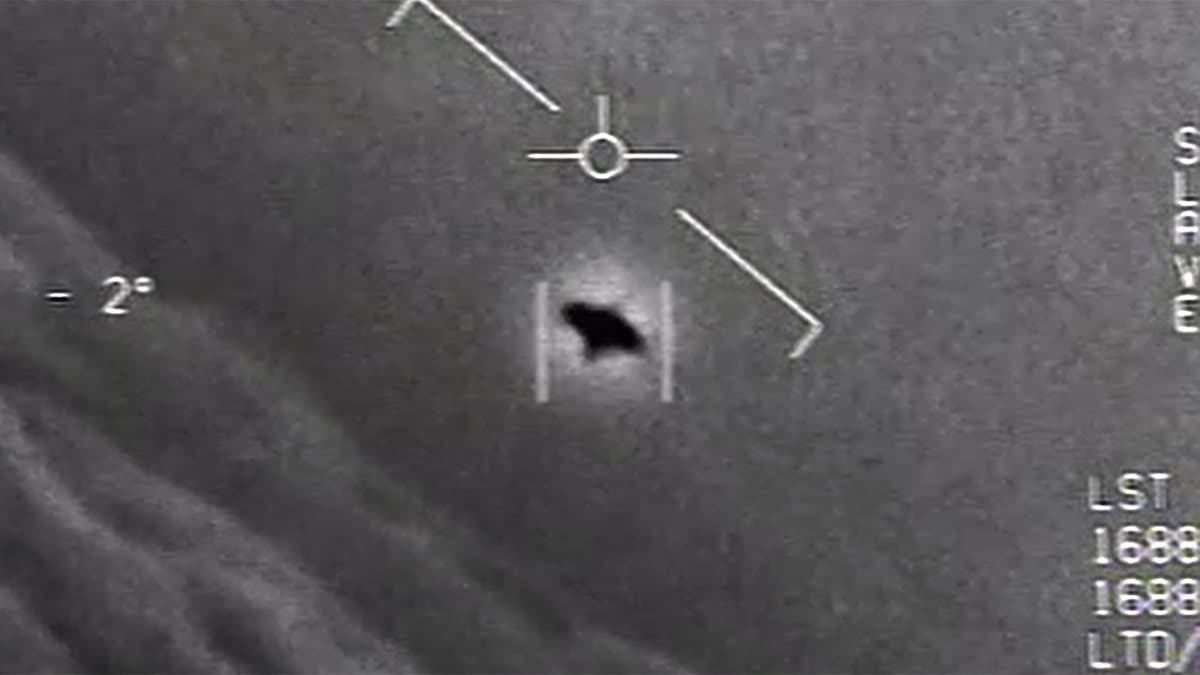
In January 2008, residents of Stephenville, Texas reported seeing a massive object moving silently across the night sky at impossible speeds. Within days, dozens of witnesses came forward with consistent accounts. The sightings weren't dismissed outright—they were something more calculated: officially explained away as nothing at all.
The U.S. Air Force's initial response was categorical. There were no military aircraft in the area during the reported sightings, officials stated. No exercises. No operations. Nothing that could account for what Stephenville residents had witnessed. The implied message was clear: whatever people thought they'd seen, it wasn't ours. Move along.
This denial held for weeks. Local investigators, journalists, and UFO researchers documented the accounts and radar data. The witnesses weren't fringe characters—many were respected community members, some with aviation backgrounds who understood the difference between conventional aircraft and whatever they'd observed. Yet the official position remained unchanged. The sightings remained unexplained, and more importantly, they remained officially unexamined.
Then came the shift. Under continued pressure to explain the discrepancies between witness accounts and official statements, military representatives acknowledged what they'd previously denied. F-16 fighter jets had indeed been conducting training exercises in the Stephenville area during the reported sightings. They were there all along. The denial wasn't a miscommunication or a bureaucratic oversight—it was an initial position that proved unsustainable once scrutinized.
What's particularly striking isn't that the military had jets in the area. That's routine. What matters is the deliberate misdirection that preceded the acknowledgment. Officials didn't say "we had aircraft conducting exercises"—they said they had nothing in the area. Those are different statements. One is a fact. The other is a falsehood, later corrected.
Get the 5 biggest receipts every week, straight to your inbox — plus an exclusive PDF: The Top 10 Conspiracy Theories Proven True in 2025-2026. No spam. No agenda. Just the papers they couldn't hide.
You just read "Stephenville UFO Sightings Radar Data Contradicted Military'…". We send ones like this every week.
No one's said anything yet. Be the first to drop your take.
The Stephenville case illustrates a persistent pattern in how institutions respond to events they don't immediately understand or want to discuss. Rather than admit uncertainty or acknowledge ongoing operations, the instinct is often to deny first and adjust the narrative later if necessary. The public's burden becomes figuring out which denials will eventually unravel.
This matters because public trust depends on accuracy from the start, not corrected versions later. Residents who believed military assurances that nothing was in the sky now had to recalibrate their understanding of institutional credibility. If officials could deny F-16 operations in their own region, what other facts might be subject to similarly convenient denials?
The Stephenville sightings remain unexplained in their essential details. The radar data, the witness accounts, the object's apparent capabilities—these questions persist regardless of whether F-16s were nearby. But the explanation we do have reveals something worth tracking: official denials don't always equal truth, and the gap between initial statements and eventual admissions can be remarkably wide. That gap is where public trust goes to erode.
Beat the odds
This had a 3.6% chance of leaking — someone talked anyway.
Conspirators
~500Large op
Secret kept
18.3 years
Time to 95% exposure
500+ years