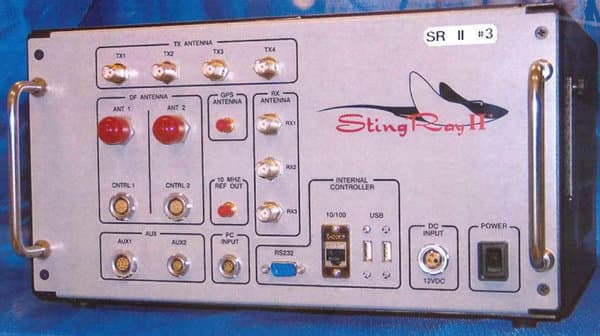
Stingray devices (IMSI catchers), manufactured by Harris Corporation, masquerade as cell towers to intercept phone communications. Police used them for years without warrants or court oversight, often describing them in misleading terms to judges. Florida police revealed in 2014 they had used Stingrays 200+ times since 2010 without disclosing it to courts. The devices collect data from every phone in range, not just the target. The FBI required police departments to sign NDAs preventing them from disclosing the technology's use, even to judges.
“Police have devices that pretend to be cell towers to intercept everyone's phone data in an area. They use them without warrants and aren't even telling judges about it.”
From “crazy” to confirmed
The Claim Is Made
This is the moment they called it crazy.
For years, privacy advocates raised alarms about a mysterious surveillance technology used by police departments across the country. They said law enforcement agencies were secretly deploying devices that mimicked cell phone towers, intercepting communications from thousands of people without their knowledge or legal authorization. Few took the warnings seriously. It sounded like science fiction, and police departments weren't talking.
Then in 2014, the truth emerged, not from a whistleblower or investigative reporter, but from court documents in Florida. Police in that state had used Stingray devices—sophisticated IMSI catchers manufactured by Harris Corporation—more than 200 times since 2010. They had done this without warrants, without informing judges about what they were doing, and without any meaningful oversight.
The technology works deceptively. Stingrays pose as legitimate cell towers, forcing nearby phones to connect to them. This allows police to intercept calls, texts, and location data. The critical problem: these devices cannot distinguish between a target phone and every other device in range. When officers deploy a Stingray to track one suspect, they simultaneously collect data from hundreds of bystanders—people entirely unconnected to any investigation.
For years, law enforcement agencies insisted this wasn't happening, or if it was, it was rare and carefully controlled. Police departments offered vague justifications when pressed. They weren't transparent about the technology's capabilities or limitations. When forced to disclose their use in court, some agencies used deliberately obscured language to avoid revealing what they were actually doing.
What made this surveillance particularly troubling was the role of the FBI. The bureau required police departments to sign non-disclosure agreements—NDAs that prevented them from discussing Stingray use even with judges. This created an extraordinary situation: law enforcement was conducting surveillance in secret, with courts unaware of the technology being deployed, and agencies legally prohibited from explaining it. The supposed check on government power—judicial oversight—was effectively bypassed.
Get the 5 biggest receipts every week, straight to your inbox — plus an exclusive PDF: The Top 10 Conspiracy Theories Proven True in 2025-2026. No spam. No agenda. Just the papers they couldn't hide.
You just read "Police secretly used Stingray cell phone trackers to surveil…". We send ones like this every week.
No one's said anything yet. Be the first to drop your take.
Confirmed: They Were Right
The truth comes out. Officially documented.
Confirmed: They Were Right
The truth comes out. Officially documented.
The Florida revelation opened the door to broader investigations. The Electronic Frontier Foundation and other civil liberties organizations documented widespread Stingray use across the country. Police departments in major cities had deployed the devices hundreds of times. The technology had been used to track suspects, but also to gather information on protest participants, immigration enforcement targets, and countless ordinary citizens.
What makes this case important goes beyond the technology itself. It reveals how surveillance can expand in the shadows, enabled by secrecy and non-disclosure agreements that prevent public accountability. Police departments and manufacturers claimed they were operating responsibly, yet the actual practice contradicted those assurances. The gap between what officials said was happening and what was actually occurring was enormous.
Today, Stingray use persists, though with somewhat greater transparency. Some jurisdictions now require warrants. But the fundamental tension remains unresolved: law enforcement agencies possess powerful surveillance tools, and the public has limited ability to know when or how they're being used. Trust in institutions depends on transparency. When agencies conduct surveillance in secret, insist on non-disclosure agreements, and obscure their methods from courts, that trust erodes. The Stingray story demonstrated that the warnings dismissed as paranoia were actually descriptions of documented, ongoing reality.
Beat the odds
This had a 0.2% chance of leaking — someone talked anyway.
Conspirators
~150Network
Secret kept
3.2 years
Time to 95% exposure
500+ years