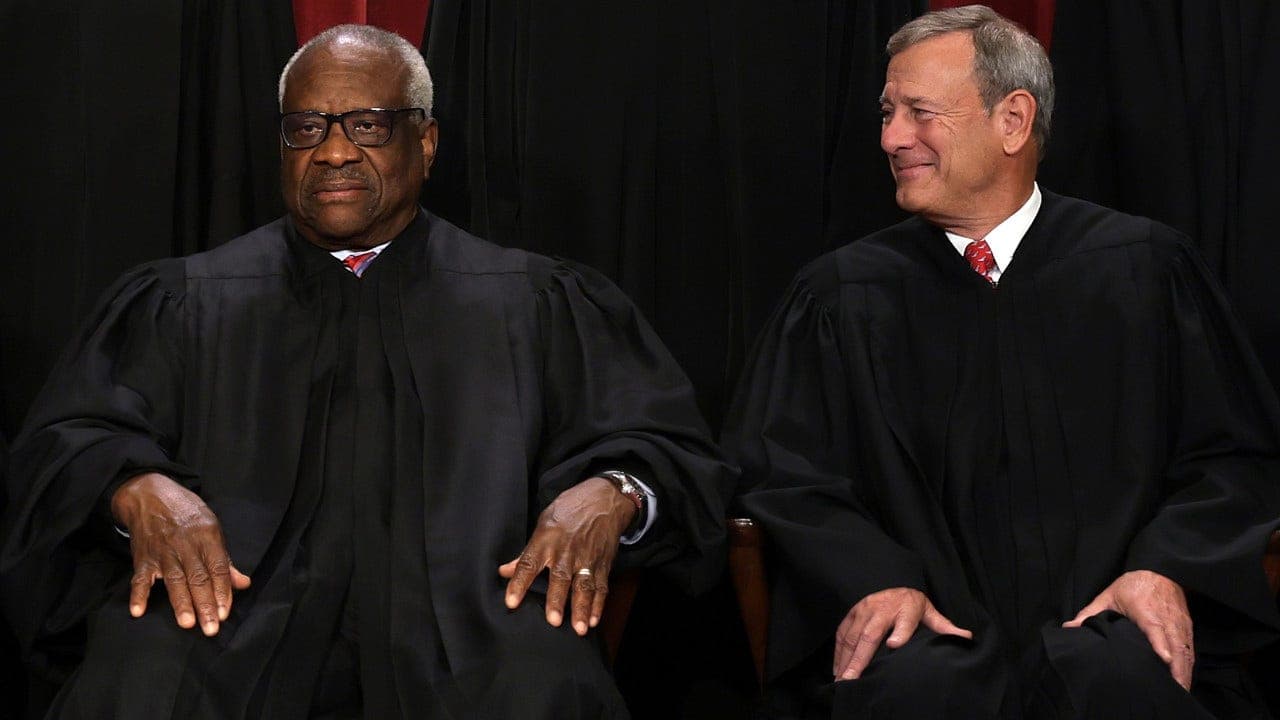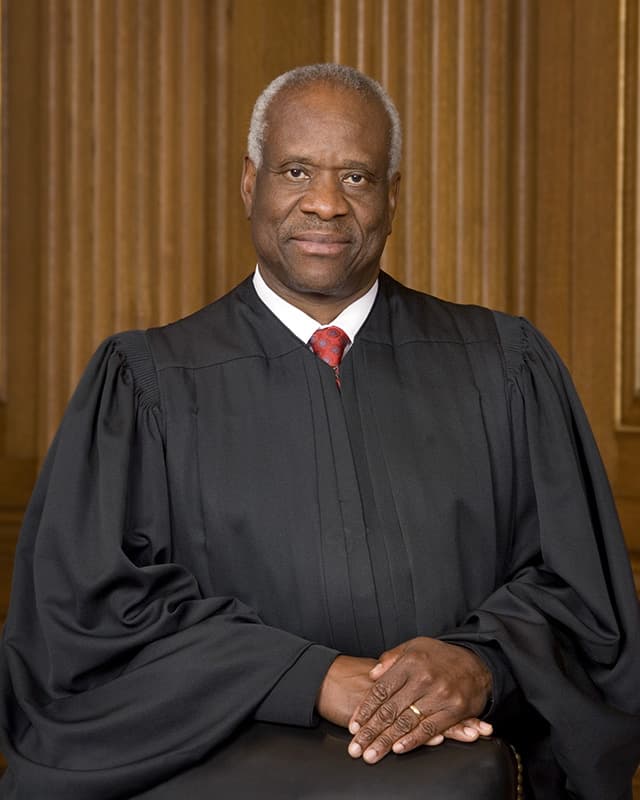
ProPublica revealed Thomas accepted millions in undisclosed gifts from wealthy donors over decades, violating federal ethics disclosure requirements.
“Justice Thomas has complied with all applicable disclosure requirements and ethics rules”
From “crazy” to confirmed
The Claim Is Made
This is the moment they called it crazy.
For decades, Supreme Court Justice Clarence Thomas accepted luxury gifts and vacations from wealthy benefactors without disclosing them to the public or his colleagues, according to reporting by ProPublica that upended assumptions about judicial ethics at the highest level of American government. The investigation documented millions of dollars in undisclosed benefits flowing to Thomas over a period spanning multiple decades—a pattern that violated the federal ethics disclosure requirements that bind every other justice on the bench.
The claim itself wasn't new. Ethics watchdogs and legal observers had periodically raised questions about Thomas's financial relationships over the years. But most mainstream reporting treated these concerns as minor administrative questions, the kind of technicality that didn't warrant serious scrutiny of a sitting justice. Thomas himself had never acknowledged any wrongdoing, and the Supreme Court's internal ethics guidelines—which the justices largely police themselves—provided little enforcement mechanism.
The official response from those close to Thomas was dismissal. When questions arose, the standard answer was that Thomas operated under the understanding that the federal ethics law didn't apply to Supreme Court justices in the same way it applied to lower court judges. This interpretation was not widely shared by ethics experts, but it gave Thomas and his allies a legal fig leaf to work with. The Court's defenders pointed out that ethics disclosures were voluntary matters of institutional custom rather than formal legal requirements, and suggested that scrutinizing a justice's personal relationships amounted to overreach.
ProPublica's investigation changed the calculus entirely. The reporting documented specific gifts: luxury vacations at exclusive resorts in Indonesia and the Adirondacks, paid for by GOP megadonor Harlan Crow. Private school tuition assistance for Thomas's grandniece. Expensive real estate transactions where buyers appeared to receive special treatment. The documentation was granular and verifiable—not allegations or anonymous sourcing, but receipts and records that painted a picture of a justice enriching himself while sitting in judgment over cases that sometimes involved the very donors bankrolling his lifestyle.
Get the 5 biggest receipts every week, straight to your inbox — plus an exclusive PDF: The Top 10 Conspiracy Theories Proven True in 2025-2026. No spam. No agenda. Just the papers they couldn't hide.
You just read "Supreme Court Justice Clarence Thomas Failed to Disclose Lux…". We send ones like this every week.
No one's said anything yet. Be the first to drop your take.
What made ProPublica's work significant wasn't just the revelation of undisclosed gifts, though that was substantial. It was the systematic nature of the concealment. Thomas had filed financial disclosure forms for years without mentioning these benefits, even though similar gifts would require disclosure from any federal judge. The pattern suggested either carelessness at a level unsuitable for a Supreme Court justice, or something closer to deliberate concealment.
The evidence forced a recalibration of the debate. Even Thomas's defenders struggled to justify why a justice should operate under different ethical rules than the judiciary he claims to uphold. The reporting raised a more troubling question: if Thomas had failed to disclose these relationships, what other financial entanglements might remain hidden?
This matters because the Supreme Court possesses enormous power without meaningful accountability. Justices cannot be easily removed, and they answer to no one except their own consciences. When that conscience appears compromised by undisclosed financial arrangements with powerful donors, public trust in the institution erodes. The Thomas revelations didn't just document unethical behavior—they exposed a system designed to allow it, and suggested that transparency at the Court's highest levels was less important than protecting its insiders.
Beat the odds
This had a 0.1% chance of leaking — someone talked anyway.
Conspirators
~50Network
Secret kept
3.1 years
Time to 95% exposure
500+ years