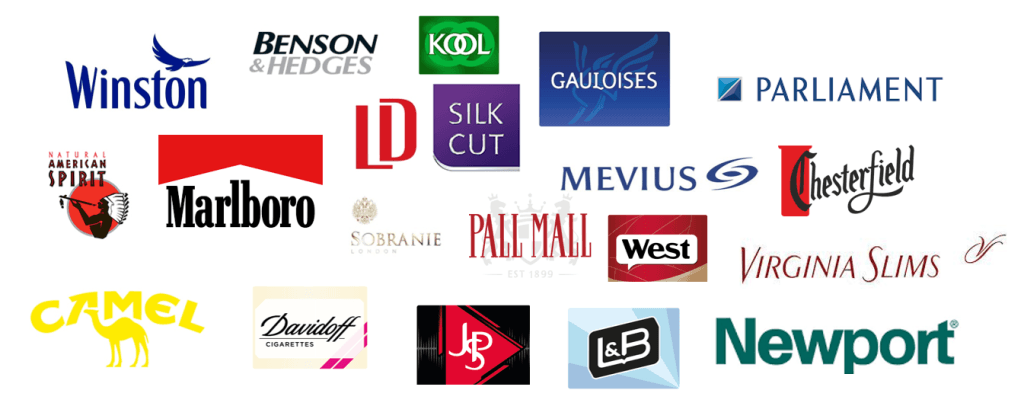
Internal Philip Morris documents from the 1960s showed executives knew nicotine was addictive and manipulated levels to hook smokers, while CEOs testified under oath that nicotine was not addictive.
“Nicotine is not addictive and cigarettes are not habit-forming”
From “crazy” to confirmed
The Claim Is Made
This is the moment they called it crazy.
When seven tobacco executives sat before Congress in April 1994, they raised their right hands and swore an oath. One by one, they testified that nicotine was not addictive. CEO after CEO stated unequivocally that they did not believe nicotine created dependency in smokers. It was a carefully coordinated defense of an industry facing its existential threat. What made this moment remarkable wasn't just the testimony—it was that the companies knew they were lying.
Twenty years earlier, Philip Morris executives had already reached a different conclusion in the privacy of their boardrooms. Internal company documents from the 1960s, which would later surface in legal proceedings, revealed that the tobacco industry understood nicotine's addictive properties far better than any outsider realized. These weren't vague suspicions or theoretical concerns. The documents showed deliberate knowledge, internal research confirming addiction, and strategic decisions about how to manipulate nicotine levels to maintain consumer dependency.
The public narrative during those decades was simple: cigarette makers questioned whether nicotine was truly addictive. They argued it was a matter of scientific debate. Smokers chose to continue using cigarettes because they enjoyed them, not because they were trapped by chemical dependency. Health authorities who warned about addiction were presented as overzealous or uncertain about the facts. The industry funded its own research and promoted scientists who supported the addiction-denial position. Doubt, as they would later be revealed to have strategized, was the product they were selling.
What changed everything was the release of internal corporate records. These documents, made public through litigation, showed something starkly different from what executives claimed under oath. Philip Morris had conducted research showing that nicotine operated on the brain in ways consistent with addictive substances. The company understood dose-response relationships. They knew that smokers weren't simply making a free choice to continue—they were physically dependent. Most damning of all, there was evidence the company had adjusted nicotine levels in their products, suggesting an explicit effort to maintain addiction rather than combat it.
The Surgeon General's reports on smoking, compiled over decades of research, would eventually document this contradiction. While the tobacco companies maintained their public stance of uncertainty, the medical and scientific evidence became overwhelming. Nicotine was addictive. It worked on the brain's reward systems. People struggled to quit not because of weak willpower but because of genuine chemical dependency. The 1964 Surgeon General's report began this documentation; subsequent reports only solidified the finding.
The significance of this particular claim extends beyond the tobacco industry itself. It became a template for understanding how large corporations can operate with one truth internally and maintain a different narrative externally. It demonstrated how an industry could fund doubt about scientific findings while their own researchers confirmed those findings. It showed how the legal system eventually became necessary to expose what companies knew versus what they claimed.
This case matters because it illustrates why public trust in institutions erodes. When people discover that they were systematically misled about health risks—and that the misleaders knew the truth all along—it affects how they view corporate claims across other industries. It's a reminder that "what we know" and "what is claimed" aren't always the same thing, and that sometimes the gap between them requires years of legal pressure to close.
Get the 5 biggest receipts every week, straight to your inbox — plus an exclusive PDF: The Top 10 Conspiracy Theories Proven True in 2025-2026. No spam. No agenda. Just the papers they couldn't hide.
You just read "Tobacco companies knew nicotine was addictive while publicly…". We send ones like this every week.
No one's said anything yet. Be the first to drop your take.