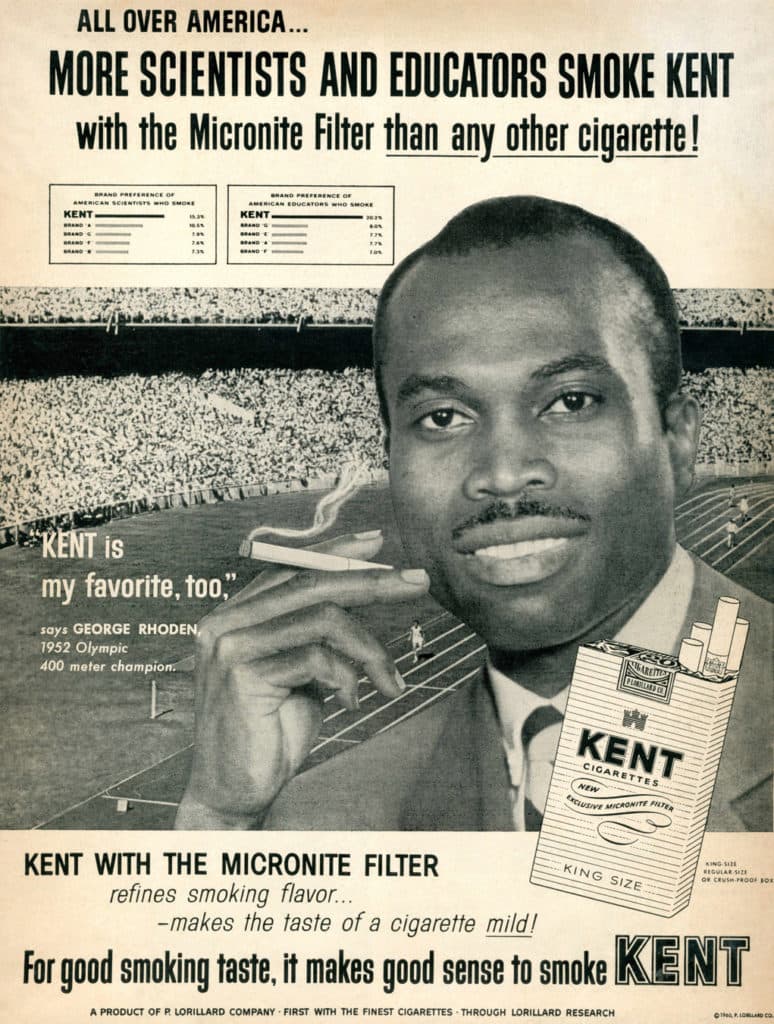
Internal tobacco company documents revealed coordinated campaigns to fund researchers who would publicly dispute smoking-cancer links. Companies created fake scientific organizations to spread doubt about health risks.
“Independent scientists have found no conclusive proof that smoking causes cancer or other health problems”
From “crazy” to confirmed
The Claim Is Made
This is the moment they called it crazy.
For decades, the tobacco industry faced a problem. Researchers were publishing increasingly damning evidence that smoking caused lung cancer, heart disease, and other serious illnesses. Rather than accept this reality, major cigarette manufacturers chose a different path: they would manufacture doubt by secretly funding scientists willing to challenge the scientific consensus.
The claim seemed almost too cynical to believe. How could an entire industry coordinate to suppress health information? Yet the strategy wasn't new or unique to tobacco. What made it remarkable was the scale and the precision with which it was executed, and the fact that company executives knew exactly what they were doing.
Throughout the 1950s, 60s, and 70s, internal documents later revealed that cigarette manufacturers including Philip Morris, R.J. Reynolds, and others had developed deliberate strategies to cast doubt on smoking research. These weren't passive disagreements between scientists. These were coordinated, well-funded campaigns designed to create the appearance of legitimate scientific debate where, in reality, consensus had already formed in the medical community.
The tobacco companies created front organizations with scientific-sounding names. They funded researchers who were willing to publish papers questioning the smoking-cancer link. They sponsored symposia and conferences. They distributed educational materials to schools and libraries. All of this was done with the explicit goal of keeping smokers uncertain about the risks they faced.
For many years, the industry's strategy worked. Public doubt persisted. Regulations were delayed. Lawsuits faced uphill battles because juries weren't convinced. The companies maintained plausible deniability through layers of contractors and intermediaries. If anyone questioned their motives, they could simply point to the researchers and organizations they funded as independent voices in the debate.
Get the 5 biggest receipts every week, straight to your inbox — plus an exclusive PDF: The Top 10 Conspiracy Theories Proven True in 2025-2026. No spam. No agenda. Just the papers they couldn't hide.
You just read "Tobacco Companies Secretly Funded Scientists to Dispute Smok…". We send ones like this every week.
No one's said anything yet. Be the first to drop your take.
The turning point came through legal discovery. During major tobacco litigation in the 1990s, companies were forced to produce internal documents. What emerged was devastating: emails, memos, and strategic plans that showed executives discussing how to fund doubt-creating research. They understood the science. They knew smoking was dangerous. They just knew that admitting it would cost them billions.
The Tobacco Master Settlement Agreement of 1998 essentially formalized what litigation had already proven. The major American cigarette manufacturers agreed to pay $206 billion over 25 years to settle health claims. More importantly, they agreed to fund a public health research program and had severe restrictions placed on their advertising and lobbying efforts. The settlement included provisions requiring the disclosure of previously confidential research and internal documents.
This case matters far beyond tobacco. It demonstrated that industries with financial incentives will fund science to serve their interests, not truth. It showed how uncertainty can be manufactured on purpose. It revealed that a well-funded campaign can delay public acceptance of inconvenient facts by years or decades, even when the underlying evidence is sound.
Today, we see similar patterns in debates over climate change, sugar's health effects, and pharmaceutical safety. The tobacco industry's playbook has become a template. Understanding how it worked—and how it was eventually exposed—is essential for recognizing when we're being deliberately misled. The question isn't whether industries will try to manufacture doubt. The question is whether we'll recognize the strategy when we see it.
Beat the odds
This had a 1.3% chance of leaking — someone talked anyway.
Conspirators
~100Network
Secret kept
32.1 years
Time to 95% exposure
500+ years