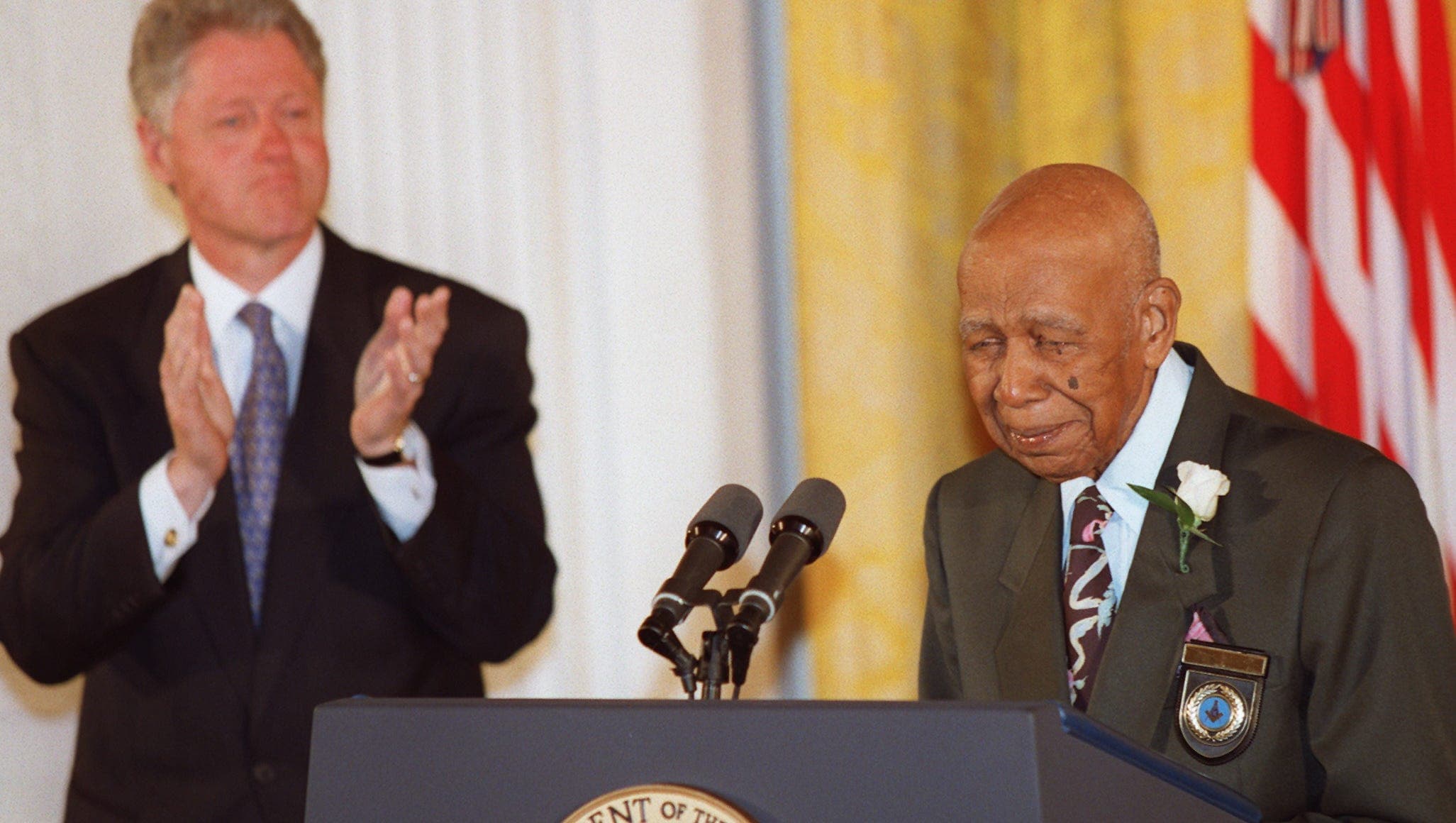
From 1932 to 1972, the US Public Health Service conducted the Tuskegee Study, deliberately withholding syphilis treatment from 399 African American men in Alabama. Even after penicillin became the standard cure in the 1940s, researchers continued the study without treating participants. The men were told they were being treated for 'bad blood.' The experiment was only exposed when AP reporter Jean Heller broke the story in 1972. President Clinton formally apologized in 1997. The same lead researcher ran the Guatemala experiments.
“The government is conducting medical experiments on Black men in Alabama without their consent and deliberately denying them treatment for syphilis.”
From “crazy” to confirmed
The Claim Is Made
This is the moment they called it crazy.
For four decades, a US government health agency conducted an experiment on human beings that would become one of the darkest chapters in American medical history. From 1932 to 1972, the Public Health Service recruited 399 African American men from rural Alabama under the pretense of treating syphilis. In reality, researchers were documenting the disease's progression while deliberately withholding available treatment.
When the study began during the Great Depression, penicillin didn't yet exist. The men were told they had "bad blood" and were promised free medical care. But after penicillin emerged as the standard cure in the 1940s—effectively a miracle drug that could eliminate syphilis entirely—the Public Health Service made a deliberate choice. They continued the study anyway. The men never received the treatment that could have saved them from years of suffering, disability, and death.
For decades, this wasn't treated as a scandal. Medical journals published the study's findings. Researchers built careers on data extracted from untreated men's declining health. The experiment continued until 1972, when AP reporter Jean Heller broke the story to a national audience. Even then, there was resistance to acknowledging what had actually happened. Officials defended the study's scientific value. Some argued the men had consented, though the "consent" was built entirely on deception about what they were receiving.
The evidence was irrefutable: documents showed researchers knew penicillin worked and that it was available. They made an active decision to continue withholding it. Medical records documented the suffering of participants. The study's own publications, which had circulated freely in academic circles for years, contained the proof of what had been done.
The consequences rippled far beyond those 399 men. Wives contracted syphilis. Children were born with congenital syphilis. An entire community was harmed by an institution that claimed to serve . President Bill Clinton apologized formally in 1997, 25 years after the study ended. Survivors and their families eventually received a $10 million settlement. But the damage to trust proved impossible to quantify.
Get the 5 biggest receipts every week, straight to your inbox — plus an exclusive PDF: The Top 10 Conspiracy Theories Proven True in 2025-2026. No spam. No agenda. Just the papers they couldn't hide.
You just read "The US government let 399 Black men suffer from untreated sy…". We send ones like this every week.
No one's said anything yet. Be the first to drop your take.
Confirmed: They Were Right
The truth comes out. Officially documented.
Confirmed: They Were Right
The truth comes out. Officially documented.
What makes this case particularly significant isn't just the scale of the deception or the suffering involved. It's that this wasn't a rogue researcher or a single bad decision. The Tuskegee Study represented institutional betrayal—the same lead researcher, John Cutler, later oversaw similarly unethical experiments in Guatemala where he infected study subjects with syphilis intentionally. The system that allowed Tuskegee to continue for 40 years created an environment where even worse abuses followed.
Today, the Tuskegee Study serves as a historical reference point for understanding why Black Americans report lower trust in medical institutions and vaccines. That skepticism isn't irrational distrust—it's rooted in documented reality. When a government explicitly withheld life-saving treatment from citizens based on race, and faced no immediate consequences, it established a pattern of institutional behavior that communities cannot simply forget.
The significance of verifying this claim lies in acknowledging that institutional betrayals of this magnitude aren't theories or allegations—they're documented fact. They happened within living memory. And they fundamentally altered the relationship between vulnerable populations and the medical establishments meant to serve them.
Beat the odds
This had a 4.8% chance of leaking — someone talked anyway.
Conspirators
~300Network
Secret kept
40.6 years
Time to 95% exposure
500+ years