Dec 4, 2024: Brian Thompson shot, casings inscribed with claims denial terms. Mangione arrested. 'Folk hero' online.
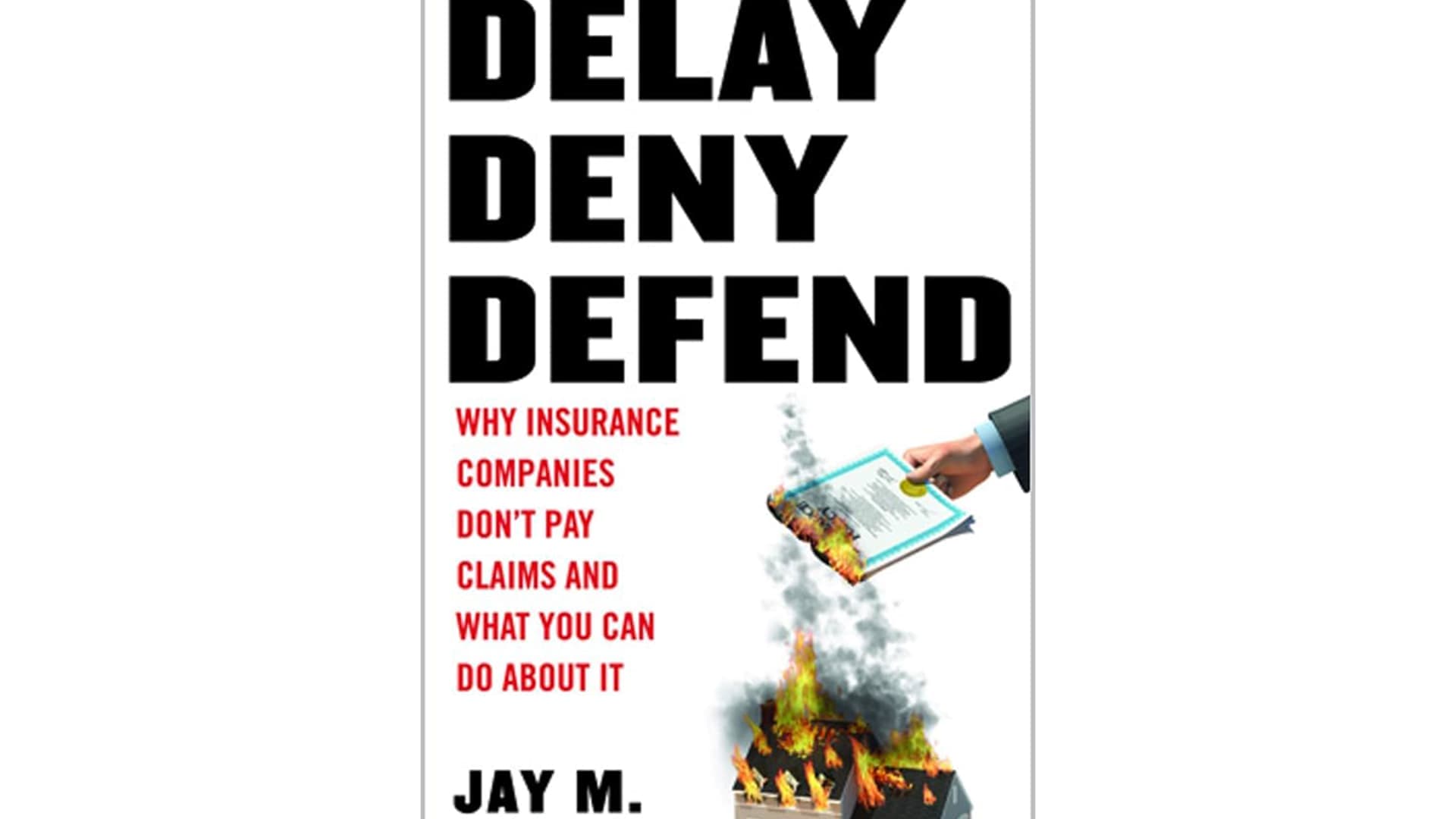
“Bullets inscribed with the words they use to deny your claims.”
What they said vs. what the evidence shows
“Deeply saddened and shocked.”
— UHC · Dec 2024
SourceFrom “crazy” to confirmed
The Claim Is Made
This is the moment they called it crazy.
When Brian Thompson, CEO of UnitedHealth Group, was shot in New York City on December 4, 2024, the details that emerged suggested something far more deliberate than a random killing. The casings left at the scene bore an inscription: "Deny," "Defend," "Depose"—three words that would have meant nothing to most Americans, yet everything to anyone familiar with insurance industry litigation strategy.
The claim circulated rapidly online: the shooter had inscribed the casings with actual legal terminology used in the insurance denial process. It seemed too precise, too pointed to be coincidental. Skeptics dismissed it as speculation, another example of internet pattern-matching in the aftermath of a tragedy.
But the claim wasn't manufactured from thin air. It referred to a legitimate legal strategy known within the insurance industry. When insurers deny coverage, they typically follow a three-part approach: deny the claim initially, defend that denial if challenged, and depose witnesses if the case proceeds to litigation. It's a documented tactic discussed in industry papers and legal forums. The casings themselves were verified by law enforcement as genuine.
When Luigi Mangione was arrested and charged in connection with Thompson's death, he didn't deny his involvement. In fact, he provided a statement to investigators that suggested ideological motivation. The inscription on the casings appeared intentional—a calling card that transformed what might have been a random act of violence into something that read like a statement about corporate accountability in healthcare.
What followed was significant. Online communities that had dismissed the original claim as conspiracy thinking found themselves confronted with confirmation. The casings were real. The terminology was real. The connection between the victim's industry practices and the method of messaging was real. This wasn't a theory anymore; it was documented fact.
Get the 5 biggest receipts every week, straight to your inbox — plus an exclusive PDF: The Top 10 Conspiracy Theories Proven True in 2025-2026. No spam. No agenda. Just the papers they couldn't hide.
You just read "UHC CEO shot with 'Deny, Defend, Depose' on casings - insura…". We send ones like this every week.
No one's said anything yet. Be the first to drop your take.
Source: UHC CEO shot with 'Deny, Defend, Depose' on casings - insurance terminology
The broader significance here extends beyond this single case. For years, critics of the insurance industry have documented denied claims, delayed treatments, and bureaucratic obstacles that delayed or prevented healthcare access. These weren't fringe complaints—they were consistent, documented experiences across thousands of patient cases. Yet these systemic criticisms largely remained confined to healthcare activist circles and regulatory filings.
What changed with Thompson's case was visibility. The inscription on those casings forced mainstream media and general public attention onto practices that the insurance industry had long considered routine business. It made abstract policy debates suddenly, viscerally concrete.
This creates a complicated reckoning for public trust. On one hand, it validated years of criticism from healthcare advocates who had documented these practices. The terminology inscribed on those casings wasn't invented by conspiracy theorists—it was borrowed directly from the industry's own playbook. On the other hand, it attached that criticism to an act of violence, complicating any straightforward moral narrative.
The documented verification of the casings and their inscription means we can no longer dismiss the connection between corporate practices and public anger as mere speculation. The question now isn't whether the inscription was real—that's established. The question is what the broader public does with confirmation that the industry's own legal strategies had become visible enough, notable enough, and contentious enough to be used as a symbolic message at a crime scene. That's the part that matters for trust in institutions and for understanding how public frustration with corporate systems translates into action.
Beat the odds
This had a 0.1% chance of leaking — someone talked anyway.
Conspirators
~100Network
Secret kept
1.4 years
Time to 95% exposure
500+ years