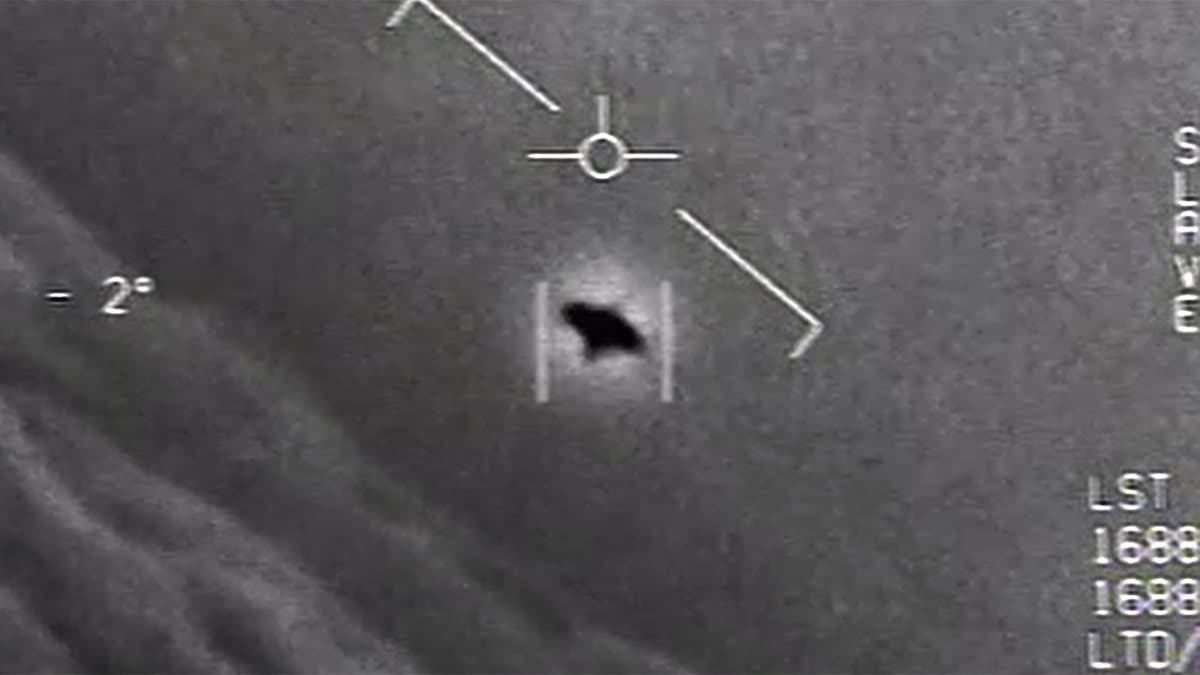
Navy pilots' 2004 Tic Tac UFO encounters remained classified until Luis Elizondo and others disclosed them in 2017, despite the objects' extraordinary flight characteristics.
“The Navy does not comment on classified training exercises or operations”
From “crazy” to confirmed
The Claim Is Made
This is the moment they called it crazy.
For more than a decade, Navy pilots who witnessed something extraordinary off the coast of San Diego kept quiet about it. The 2004 encounter between fighter jets and an unidentified object exhibiting impossible flight characteristics was not just unexplained—it was classified, locked away in government files, and effectively invisible to public scrutiny.
The pilots involved, along with their commanding officers and radar operators, observed a white, oblong object the size of a commercial airliner performing maneuvers that defied the known laws of physics. The object, later nicknamed the "Tic Tac" for its distinctive shape, accelerated, decelerated, and pivoted at speeds and angles that would have rendered any human pilot unconscious from the G-forces alone. Multiple witnesses saw it. Multiple sensors tracked it. Yet the incident remained buried.
For years, those who mentioned the encounters publicly faced the familiar dismissal: weather balloons, sensor artifacts, pilot misidentification. The Navy's official stance was essentially non-committal—the events were of no particular interest, no particular threat, and certainly no particular news. Mainstream media, dependent on official sourcing, largely ignored the story. The few outlets that covered it were relegated to fringe status.
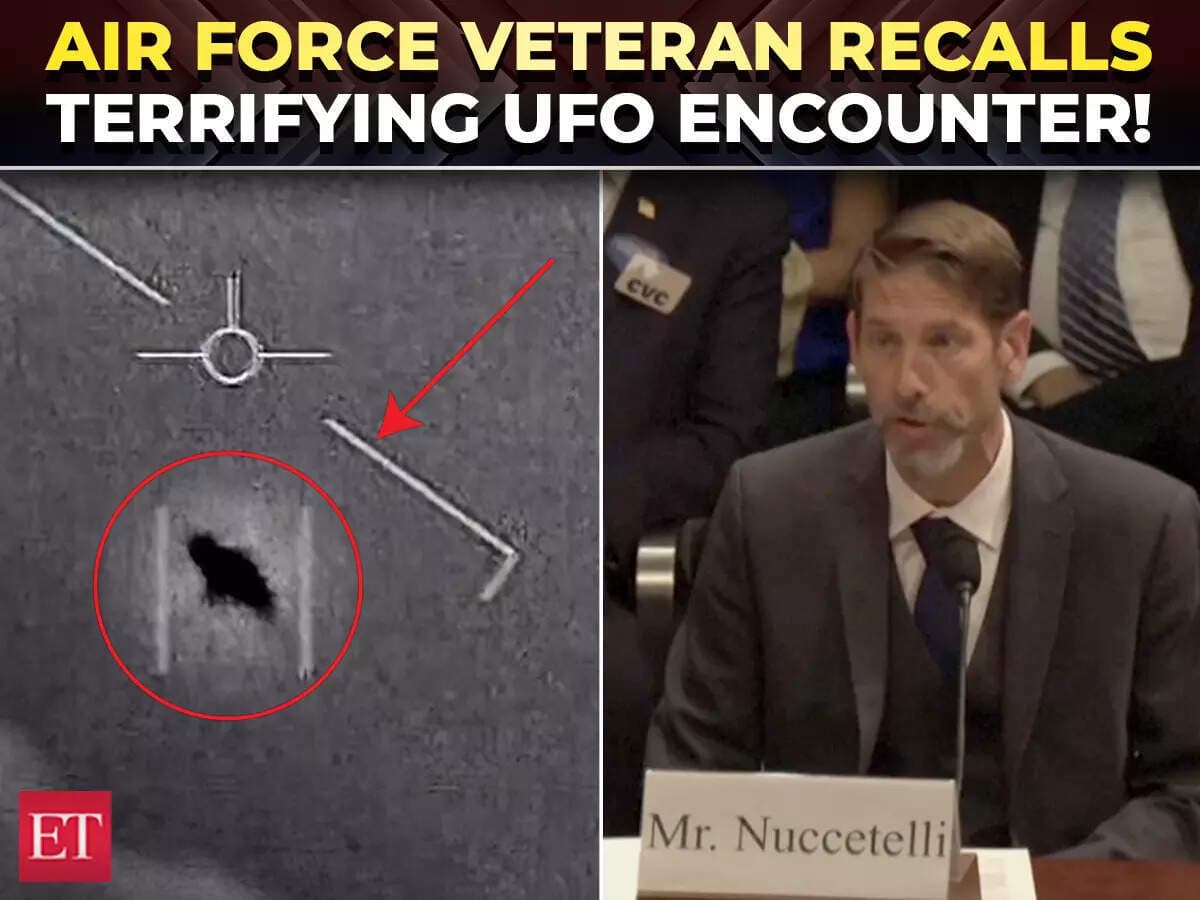
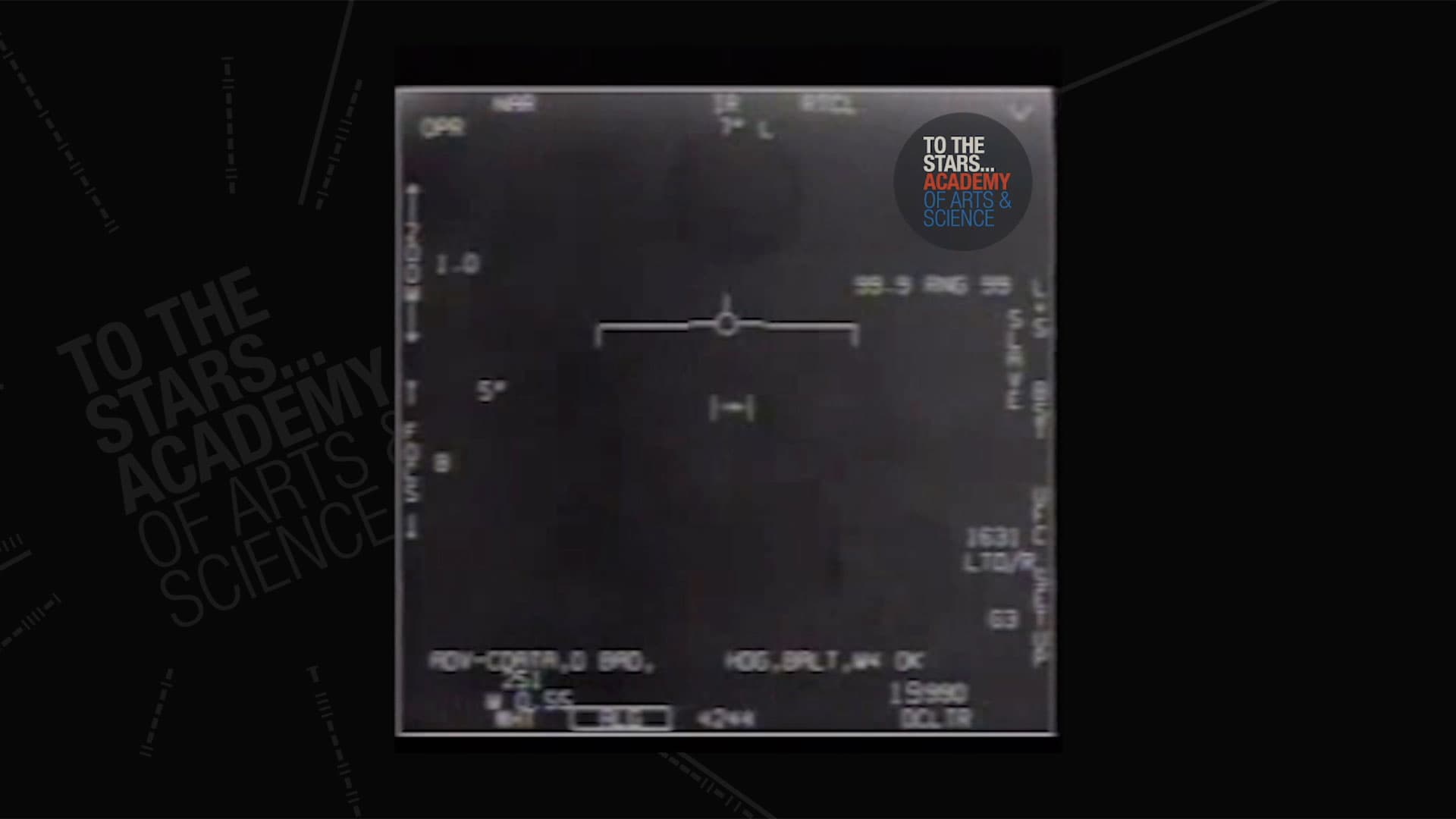
Then, in 2017, something changed. Luis Elizondo, a career Pentagon intelligence official who had worked within a classified advanced aerospace threat identification program, came forward. He went public with details that had been protected at the highest classification levels. The New York Times published his account alongside corroborating interviews with pilots and Navy officials. Videos from the encounters—previously classified—were released.
What Elizondo revealed was that the government hadn't just failed to explain the 2004 incident. It had actively maintained a secret program specifically designed to investigate precisely these kinds of encounters. The program's existence itself had been compartmentalized, known only to select officials. Funding had been hidden in budget. Documentation had been classified under layers of protection typically reserved for threats.
Get the 5 biggest receipts every week, straight to your inbox — plus an exclusive PDF: The Top 10 Conspiracy Theories Proven True in 2025-2026. No spam. No agenda. Just the papers they couldn't hide.
You just read "USS Nimitz Tic Tac UFO Encounters Were Classified Until Whis…". We send ones like this every week.
No one's said anything yet. Be the first to drop your take.
Suddenly, the story that had existed in military records all along became undeniable. The pilots' accounts didn't change. The sensor data didn't change. What changed was access—the information moved from classified to public, and with that shift came legitimacy.
This matters because it reveals a fundamental mechanism of how claims become dismissed or accepted. When information is classified, the official position can be dismissive or silent without contradiction from available evidence. The public operates on incomplete information. Journalists cannot verify classified claims. Congressional oversight becomes harder. The absence of official confirmation becomes interpreted as absence of reality.
The Tic Tac case demonstrates how something can simultaneously be real, documented, and unknown. Hundreds of military personnel knew what happened. Government records contained the details. Yet from the public perspective, it was nothing but speculation and conspiracy theory—until it wasn't.
This history raises uncomfortable questions about what else might exist in classified files. How many other documented events are dismissed as conspiracy theories simply because the evidence remains hidden? The Tic Tac case proved that official silence and public dismissal don't equal actual explanation. Sometimes they just mean the explanation is locked behind a classification stamp.
Beat the odds
This had a 4.2% chance of leaking — someone talked anyway.
Conspirators
~500Large op
Secret kept
21.5 years
Time to 95% exposure
500+ years