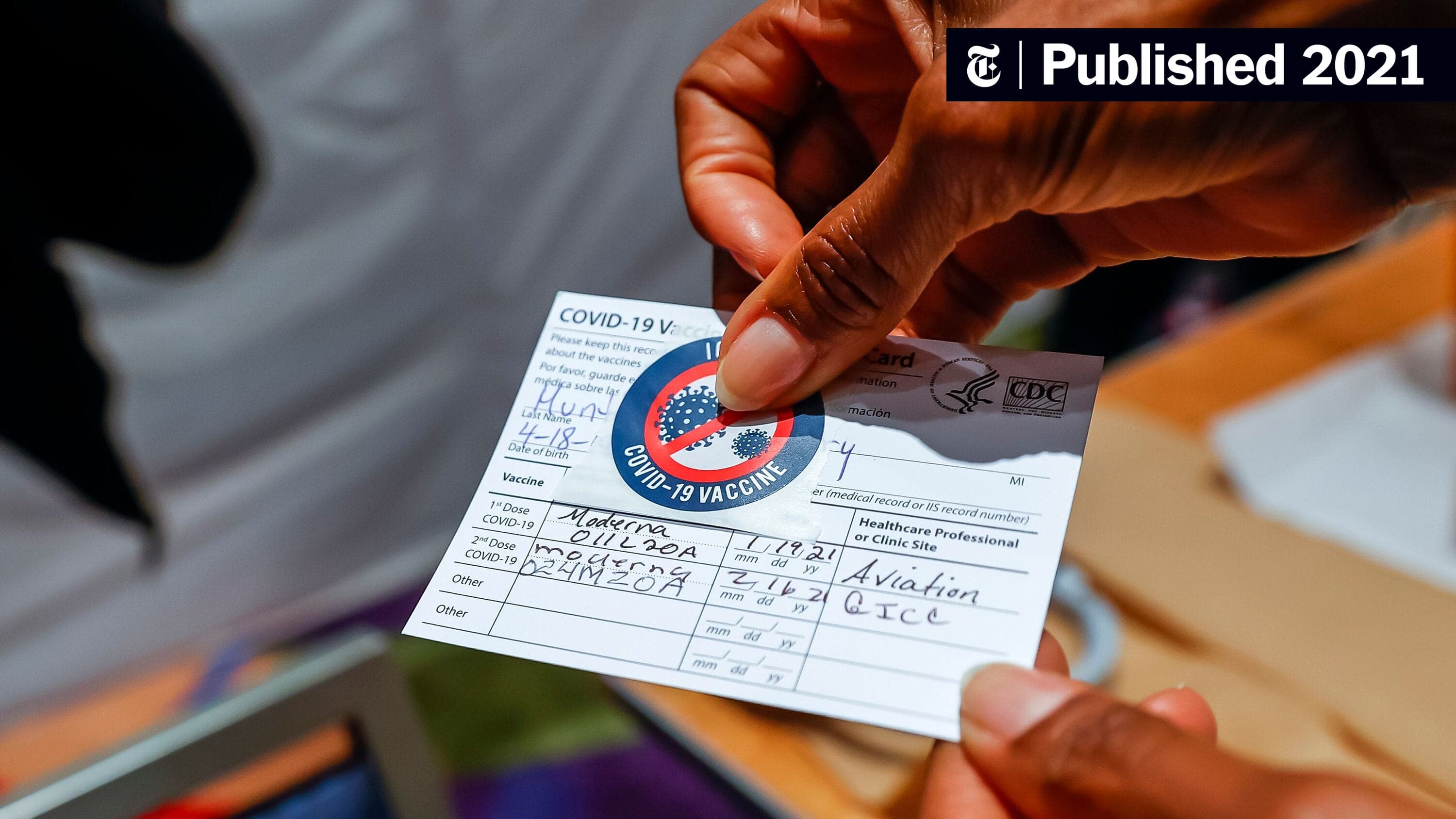
In early 2021, the idea of vaccine passports was ridiculed as conspiracy thinking. By late 2021, Israel implemented the Green Pass, the EU launched digital COVID certificates, Canada mandated them across all provinces, and Boris Johnson reversed his opposition to implement them in the UK. PM Trudeau called them 'divisive' before mandating them.
“Governments will use COVID vaccines to create a digital passport system that restricts freedoms of the unvaccinated.”
What they said vs. what the evidence shows
“No one is planning vaccine passports. This is a conspiracy theory designed to discourage vaccination.”
— Multiple media outlets & politicians · Dec 2020
SourceFrom “crazy” to confirmed
The Claim Is Made
This is the moment they called it crazy.
Early in 2021, as COVID-19 vaccination campaigns ramped up worldwide, a particular prediction began circulating online. Critics warned that governments would eventually require proof of vaccination to access basic services—shops, restaurants, public transportation, employment. The idea was met with immediate dismissal from mainstream institutions and media outlets, who labeled it fearmongering and conspiracy thinking.
Yet within months, what had been dismissed as paranoid speculation became documented policy across multiple continents. The speed and scope of this reversal raises important questions about how institutions categorize dissenting voices and what happens when those voices turn out to have merit.
The skepticism toward vaccine passports in early 2021 was understandable in one sense. Few Western democracies had implemented anything resembling mandatory health credentials for everyday activities in modern times. The concept felt radical to many, even among those supporting vaccination efforts. When critics raised the possibility, authorities responded with confident denials. Some officials explicitly stated that such measures would never be necessary or desirable.
By autumn 2021, the situation had transformed entirely. Israel implemented its "Green Pass" in September, restricting unvaccinated individuals from restaurants, gyms, and cultural venues. The European Union launched its Digital COVID Certificate system, allowing member states to restrict entry based on vaccination status. Canada mandated vaccine passports across all provinces for interprovincial travel and various services. In the United Kingdom, Prime Minister Boris Johnson reversed his earlier public opposition and introduced vaccine certification requirements for nightclubs and large events.
Perhaps most notably, Canadian Prime Minister Justin Trudeau called vaccine passports "divisive" before his government implemented them as mandatory requirements. This reversal—from describing a policy as divisive to implementing it—illustrates how quickly official positions shifted once implementation became politically viable.
Get the 5 biggest receipts every week, straight to your inbox — plus an exclusive PDF: The Top 10 Conspiracy Theories Proven True in 2025-2026. No spam. No agenda. Just the papers they couldn't hide.
You just read "Vaccine passports were dismissed as conspiracy theory then i…". We send ones like this every week.
No one's said anything yet. Be the first to drop your take.
Confirmed: They Were Right
The truth comes out. Officially documented.
Confirmed: They Were Right
The truth comes out. Officially documented.
The evidence is straightforward and publicly available. These weren't theoretical proposals or pilot programs; they were actual policies affecting millions of people. Citizens in these jurisdictions weren't allowed to enter certain establishments without proof of vaccination. Employment in some sectors became contingent on vaccination status. The infrastructure for vaccine verification became embedded in how people accessed ordinary services.
The question this raises extends beyond the specific issue of vaccine passports. When a significant portion of the population warns about a policy direction and institutions respond by ridiculing them as conspiracy theorists, but that policy direction then materializes exactly as predicted, something important has occurred. It's not merely that people were right about one issue; it's that the dismissal mechanism itself failed.
Public trust depends partly on institutions maintaining consistency between their reassurances and their actions. When officials confidently deny something will happen and then implement it within months, this creates justified skepticism about future denials. Citizens begin to wonder what other things they're being told won't happen are actually in development.
This doesn't mean every warning about government overreach proves accurate. But it does mean that dismissing concerns as conspiracy theory carries real risks. When that dismissal later appears demonstrably wrong, it doesn't simply vindicate the specific prediction—it undermines the institutional credibility used to dismiss all future concerns.
The vaccine passport case study suggests that healthy skepticism toward official denials remains warranted. Institutions should either stand behind their assurances or explain why circumstances changed their calculations. Avoiding these conversations damages public trust far more than acknowledging when predictions, however unpopular at the time, turned out to contain uncomfortable truths.
Beat the odds
This had a 0.3% chance of leaking — someone talked anyway.
Conspirators
~500Large op
Secret kept
1.4 years
Time to 95% exposure
500+ years