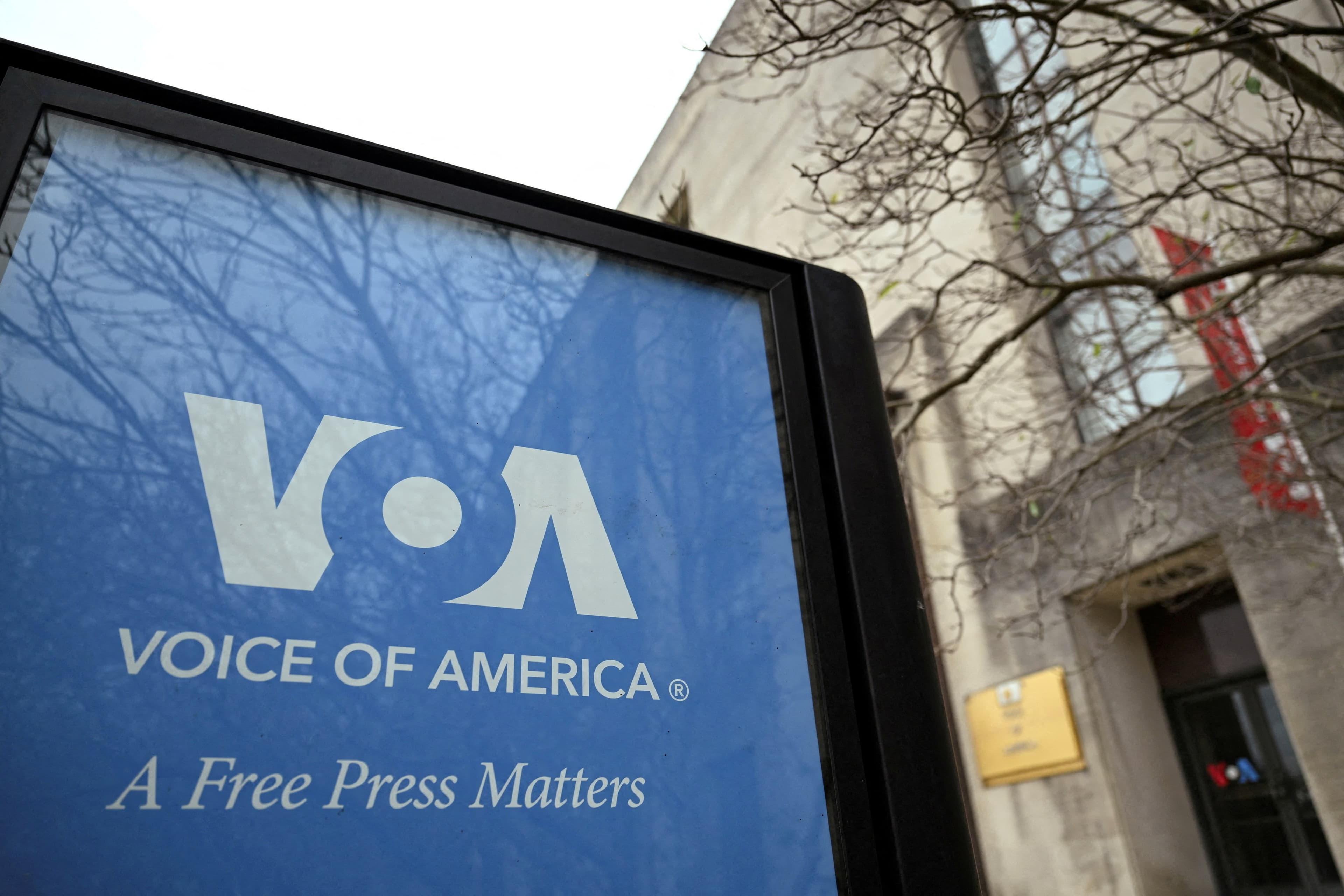
Voice of America (VOA) began broadcasting in 1942 as a wartime propaganda operation. During WWII, US government officials running VOA used it to deceive both foreign and domestic audiences. The 1948 Smith-Mundt Act was passed specifically to ban VOA from broadcasting domestically — acknowledging its propaganda nature. The Columbia Journalism Review stated plainly: 'VOA and similar media do not do, and have not done, journalism for journalism's sake. They are and always have been funded by taxpayers to support a larger agenda.' Despite legal reforms, VOA remains federally funded and has been accused of bias by administrations of both parties.
“Voice of America is not independent media — it is and has always been a US government propaganda outlet funded by taxpayers. The Smith-Mundt Act existed specifically because Congress recognized VOA was propaganda.”
What they said vs. what the evidence shows
“Voice of America is an independent news source that provides accurate and balanced reporting to audiences around the world who lack access to free media.”
— VOA Director · Feb 2017
SourceFrom “crazy” to confirmed
The Claim Is Made
This is the moment they called it crazy.
Confirmed: They Were Right
The truth comes out. Officially documented.
Confirmed: They Were Right
The truth comes out. Officially documented.
When the United States launched Voice of America in 1942, the government called it a beacon of truth. The reality was considerably different. VOA began as an explicitly stated propaganda operation designed to shape foreign opinion during World War II, and declassified history shows American officials running the network deliberately deceived audiences on both sides of the Atlantic.
This inconvenient fact about one of America's most trusted news sources was not a secret kept by conspiracy theorists in basements. It was acknowledged so openly that Congress felt compelled to pass legislation specifically addressing it. The Smith-Mundt Act of 1948 banned VOA from broadcasting domestically—a restriction that would make no sense if the organization were truly independent journalism. The law existed because everyone in government understood what VOA actually was.
For decades, defenders of VOA dismissed criticism by pointing to its editorial independence and journalistic standards. They argued that whatever propaganda role it played during wartime had been reformed away, that modern VOA operated under professional journalism ethics. These claims became harder to defend once the historical record became fully accessible. The Columbia Journalism Review, hardly a fringe publication, stated plainly that "VOA and similar media do not do, and have not done, journalism for journalism's sake. They are and always have been funded by taxpayers to support a larger agenda."
The evidence reveals a more complicated picture than either cheerleaders or critics typically acknowledge. VOA journalists do produce legitimate reporting. The network employs trained correspondents and has broken important stories. But this professional competence exists within institutional constraints that cannot be ignored. The organization receives federal funding specifically to advance American interests, and that mission shapes editorial decisions in ways that pure journalism outlets need not accommodate.
What makes this claim important is not that VOA occasionally serves state interests—many government institutions do. What matters is that the official story obscured this reality. Americans were encouraged to trust VOA as an independent news source when its foundational purpose was always political. The Smith-Mundt Act's domestic restrictions were finally relaxed in 2013, allowing Americans to hear broadcasts previously reserved for foreign audiences. This change was presented as a transparency upgrade, but it also reflected a shift in thinking: if Americans could now legally hear VOA content, perhaps the pretense of independence mattered less than the actual propaganda value.
Today, both Republican and Democratic administrations have accused VOA of bias. These complaints are not evidence of the network's independence—they are evidence that it remains a tool whose allegiance changes with administrations. A truly independent news organization would face criticism from all sides for editorial judgment. VOA faces pressure because its funding and mission are inherently political.
Understanding VOA's actual history matters for public trust. Citizens deserve to know the real function of the institutions they fund. VOA produces useful journalism in many corners of the world where independent reporting is scarce. But that utility does not require pretending it is something other than what it has always been: a federally funded instrument of American policy. Acknowledging this does not invalidate the organization's work. It simply asks that we see it clearly, with eyes open, rather than through a carefully constructed myth of independence.
Get the 5 biggest receipts every week, straight to your inbox — plus an exclusive PDF: The Top 10 Conspiracy Theories Proven True in 2025-2026. No spam. No agenda. Just the papers they couldn't hide.
You just read "Voice of America was created as a US government propaganda t…". We send ones like this every week.
No one's said anything yet. Be the first to drop your take.