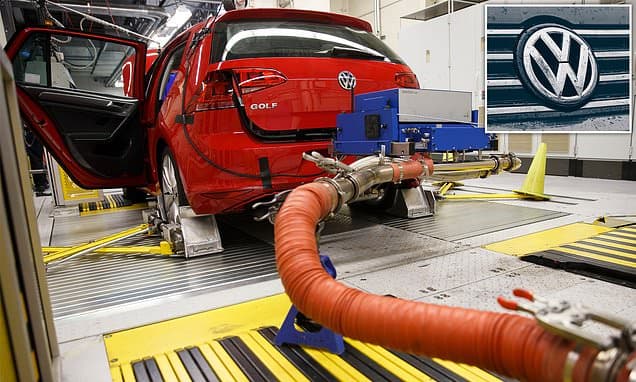
VW engineers programmed software to detect emissions testing and reduce pollution controls only during tests. Cars emitted up to 40 times legal limits in real driving while VW marketed them as clean diesels.
“Volkswagen TDI Clean Diesel vehicles meet all emissions standards in real-world driving”
From “crazy” to confirmed
The Claim Is Made
This is the moment they called it crazy.
Volkswagen spent years telling customers and regulators that it had solved the diesel problem. The German automaker marketed its TDI diesel engines as a breakthrough—clean, efficient, powerful. Advertisements promised environmental responsibility without sacrificing performance. By 2015, VW had sold roughly 11 million vehicles worldwide using this technology. None of it was true.
The company had installed what regulators would later call "defeat devices" in its diesel engines. These were sophisticated software programs designed to detect when a car was undergoing emissions testing. During the test cycle, the vehicles operated normally, with full pollution controls engaged. The moment the car returned to the road, the software deactivated those controls. Real-world emissions could reach 40 times the legal limit.
For years, VW dismissed suggestions that something was wrong. When researchers at West Virginia University published findings in 2014 showing that VW diesels emitted far more nitrogen oxides than regulations allowed, the company pushed back. Internal communications later revealed that engineers knew about the discrepancy. VW blamed the researchers' methodology and claimed their vehicles complied with all applicable laws. The company maintained this position publicly while internally debating how to manage the problem.
The deception unraveled in September 2015 when the Environmental Protection Agency issued a notice of violation. Investigators had conducted their own testing and confirmed what the university researchers had found. VW had cheated, systematically and deliberately. The EPA findings were decisive. Within days, VW's CEO apologized and admitted the company had installed software specifically designed to fool regulators.
The evidence was documentary and technical. Internal emails showed that engineers understood what they were building and why. Some communications dated back to 2007, suggesting the practice had been ongoing for years. VW eventually recalled the affected vehicles, though the recalls themselves became complicated—there was no simple software fix that would allow the cars to comply with emissions standards while maintaining performance. The company faced billions in fines, criminal charges against executives, and lawsuits from vehicle owners who discovered their "clean diesel" cars were anything but.
Get the 5 biggest receipts every week, straight to your inbox — plus an exclusive PDF: The Top 10 Conspiracy Theories Proven True in 2025-2026. No spam. No agenda. Just the papers they couldn't hide.
You just read "Volkswagen installed illegal defeat devices to cheat emissio…". We send ones like this every week.
No one's said anything yet. Be the first to drop your take.
What made this claim credible before verification was that it rested on measurable, testable facts. Emissions data doesn't lie. Real-world nitrogen oxide readings could be compared against test results. The gap was too large to explain away as a measurement error or an anomaly. When independent researchers found it first, then regulators confirmed it, the claim became irrefutable.
The Volkswagen emissions scandal matters because it revealed the limits of corporate self-regulation and the importance of independent verification. Millions of people made purchasing decisions based on false marketing claims. They paid for vehicles they believed were environmentally responsible while unknowingly contributing to increased air pollution. The scandal also demonstrated that sophisticated deception at scale is possible in modern industries where software controls critical functions.
For those tracking claims that were initially dismissed or denied before becoming verified, Volkswagen stands as a stark reminder. The company had resources, reputation, and credibility. It still lied systematically to regulators and customers. The question wasn't whether cheating was possible—it was why anyone believed it wouldn't happen.
Beat the odds
This had a 0.4% chance of leaking — someone talked anyway.
Conspirators
~100Network
Secret kept
10.6 years
Time to 95% exposure
500+ years