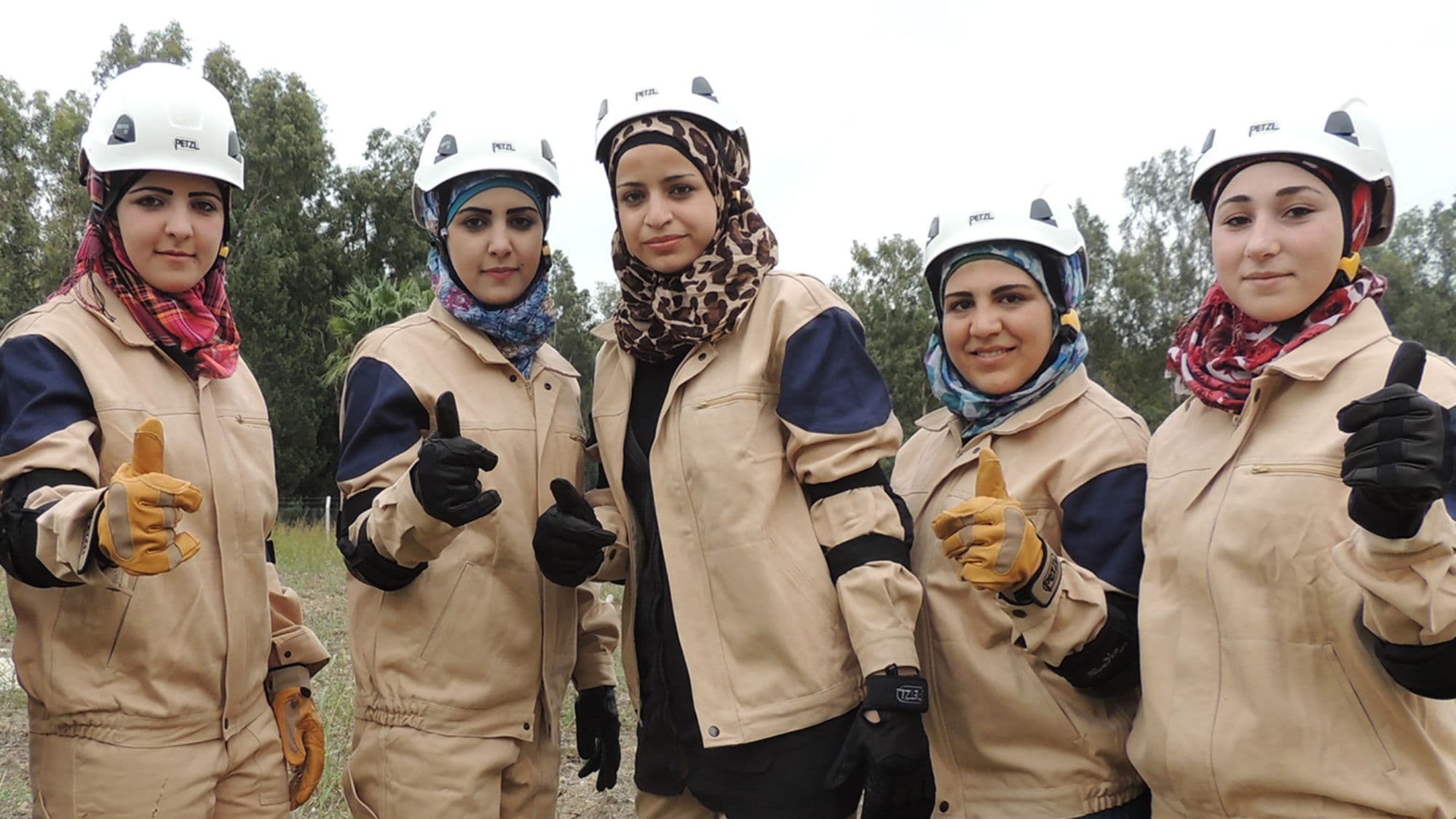
The White Helmets, funded by the US and UK to the tune of $70+ million since 2014, were founded by James Le Mesurier, a former British military intelligence officer. In 2017, a White Helmets member was suspended after assisting armed militants in burying mutilated corpses of government soldiers. Footage showed members present at rebel executions. The Netherlands suspended funding after concluding money could fall 'into the hands of armed groups including Al Qaeda.' Le Mesurier died in an apparent suicide in 2019 days after admitting to embezzling donor funds. While much criticism comes from Russian/Syrian state media, the documented connections to militants and financial irregularities raise legitimate questions about the organization's neutrality.
“The White Helmets are not an impartial rescue organization — they operate exclusively in rebel-held areas, have documented connections to Al-Nusra Front, and serve as a propaganda tool for regime change.”
What they said vs. what the evidence shows
“The White Helmets are courageous, neutral first responders who have saved over 100,000 lives. Attacks on them are Russian disinformation.”
— US State Department · Apr 2017
From “crazy” to confirmed
The Claim Is Made
This is the moment they called it crazy.
When international aid organizations operate in conflict zones, scrutiny becomes essential. The story of Syria's White Helmets illustrates how even well-intentioned humanitarian efforts can become entangled with the very conflicts they claim to document—and how legitimate questions about accountability often get buried in geopolitical noise.
The White Helmets, officially known as the Syrian Civil Defence, emerged in 2013 as a volunteer search-and-rescue organization operating in rebel-held areas of Syria. Western governments, particularly the United States and United Kingdom, embraced them as neutral humanitarian actors and funneled over $70 million in funding since 2014. Major media outlets portrayed them as heroic responders pulling civilians from rubble, and they even received an Oscar nomination for a 2016 documentary.
But the organization's neutrality was more complicated than the narrative suggested. In 2017, one White Helmets member was suspended after video evidence showed he had assisted armed militants in burying mutilated corpses of government soldiers. This wasn't an isolated incident. Subsequent footage documented White Helmets members present at rebel executions and working alongside militant groups. These weren't allegations from Syrian state media—they were documented on video.
The financial side proved equally troubling. The Dutch government, a significant donor, suspended funding after concluding that money could end up "in the hands of armed groups including Al Qaeda." This wasn't paranoia; it reflected a genuine risk when channeling money through organizations embedded within rebel-controlled territory where militant groups operated.
Then came the dramatic death of James Le Mesurier, the British former military intelligence officer who founded the White Helmets in 2013. In November 2019, he died in what authorities ruled an apparent suicide—just days after admitting to embezzling donor funds. The timing raised immediate questions, though the exact circumstances remain disputed.
Get the 5 biggest receipts every week, straight to your inbox — plus an exclusive PDF: The Top 10 Conspiracy Theories Proven True in 2025-2026. No spam. No agenda. Just the papers they couldn't hide.
You just read "The Western-funded White Helmets in Syria had documented con…". We send ones like this every week.
No one's said anything yet. Be the first to drop your take.
White Helmets (Wikipedia)
Defenders of the White Helmets argue that working in Syria's chaos meant inevitable complications. They note that separating humanitarian work from armed groups in rebel territory was nearly impossible. Critics counter that this reality should have prompted more rigorous oversight and transparency from donors.
The documented connections matter because they reveal something uncomfortable: the distinction between humanitarian organizations and warring parties becomes blurred in active conflict zones. The White Helmets may have performed genuine rescue work, but they also operated within structures that included militant associations and, apparently, financial mismanagement at the leadership level.
What deserves attention is not whether Russian or Syrian state media raised these concerns—they did, often as propaganda—but that Western donors and media outlets initially dismissed legitimate questions about the organization's connections and finances. The evidence of militant links and financial irregularities didn't emerge from enemy propaganda alone; they came from documented footage and official government investigations by actual donor nations.
This case illustrates a broader problem in how the West evaluates funded organizations in conflict zones. We tend to either lionize them or dismiss all criticism as propaganda, rather than acknowledge that both funding and accountability can coexist. The White Helmets' story suggests that outsourcing humanitarian work to organizations with murky connections, however well-meaning initially, requires more scrutiny—not less—from the governments writing the checks.
Beat the odds
This had a 3.8% chance of leaking — someone talked anyway.
Conspirators
~1,000Large op
Secret kept
9.6 years
Time to 95% exposure
500+ years