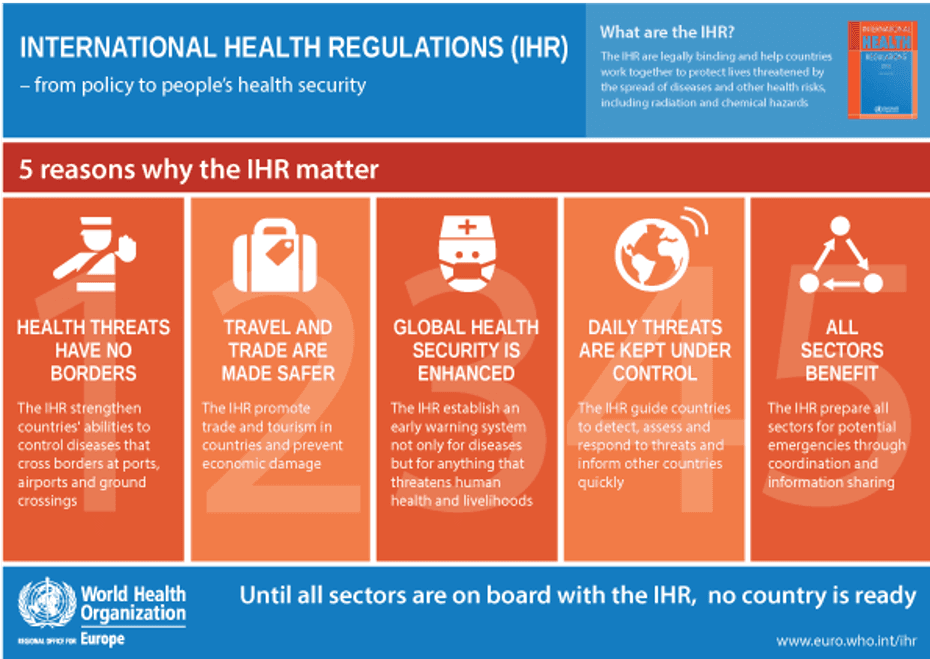
In June 2024, the World Health Assembly approved amendments to the International Health Regulations including a new 'Pandemic Emergency' category — the highest level of alarm available to the WHO Director-General. Over 300 amendments were proposed. Critics including 24 US governors argued the amendments would 'undermine national sovereignty and jeopardize constitutionally guaranteed freedoms.' The US ultimately rejected the amendments in 2025. Supporters said concerns were overblown; critics said the attempt revealed WHO's true ambitions.
“These amendments would empower the WHO and its Director-General with authority to restrict citizens' rights including freedoms such as speech, privacy, travel, choice of medical care, and informed consent.”
From “crazy” to confirmed
The Claim Is Made
This is the moment they called it crazy.
When the World Health Assembly convened in Geneva during June 2024, few Americans outside public health circles noticed what happened next. Yet within weeks, 24 US state governors were signing a joint letter warning that proposed amendments to the International Health Regulations could hand unprecedented power to a single unelected official in Switzerland.
The claim was straightforward: the WHO was creating a new "Pandemic Emergency" category that would give its Director-General authority far beyond what existed before. Critics weren't merely raising procedural concerns—they were arguing this represented a fundamental shift in how global health emergencies could be managed, potentially bypassing national governments in the process.
The official response was swift dismissal. WHO supporters and international health advocates argued that critics were manufacturing panic over routine regulatory updates. They pointed out that the amendments went through normal channels, required consensus voting, and included safeguards. In their view, anyone worried about WHO overreach was either misinformed or pushing an anti-internationalist agenda.
But the documentary record tells a different story. The Joint Governor Letter, signed by executives from states across the country, outlined specific concerns backed by textual analysis of the proposed amendments themselves. The governors didn't claim the WHO was secretly plotting world domination—they identified concrete language that would elevate the Director-General's emergency-declaring authority. The sheer number of amendments under consideration—over 300 in total—suggested this wasn't minor housekeeping but a substantial restructuring of international health governance protocols.
What makes this claim "partially verified" rather than fully confirmed is the ultimate outcome. The amendments did indeed pass the World Health Assembly in June 2024. The new "Pandemic Emergency" designation did become the highest alarm level available to the Director-General. These facts aren't disputed. However, the United States ultimately rejected the amendments in 2025, preventing automatic American compliance with whatever protocols might be established under this new framework.
Get the 5 biggest receipts every week, straight to your inbox — plus an exclusive PDF: The Top 10 Conspiracy Theories Proven True in 2025-2026. No spam. No agenda. Just the papers they couldn't hide.
You just read "WHO's International Health Regulation amendments created a n…". We send ones like this every week.
No one's said anything yet. Be the first to drop your take.
Confirmed: They Were Right
The truth comes out. Officially documented.
Confirmed: They Were Right
The truth comes out. Officially documented.
This rejection matters more than it might initially appear. It means the claim about what was proposed was entirely accurate—there genuinely was an attempt to expand WHO authority through a new emergency category. But whether this constitutes a successful power grab depends on whether you're measuring success by the proposal's passage or by its implementation. The amended regulations exist. American governors' concerns about sovereignty were validated by the fact that the US government itself declined to be bound by them.
The real story here is about institutional transparency and public awareness. The amendments were proposed, debated, and passed—mostly without mainstream media coverage or public discussion in most countries. Only after governors raised alarm bells did significant political pushback occur. This suggests that institutional changes with potentially major implications can advance through technical channels with minimal democratic scrutiny.
Whether the amendments represent dangerous overreach or necessary modernization of global health law depends partly on which expert you ask. What's undeniable is that critics identified something real: a proposal that would genuinely expand WHO authority in ways that concerned multiple state governments enough to formally object.
That tension—between legitimate institutional coordination and legitimate concern about centralized power—is unlikely to resolve anytime soon. For public trust in institutions, that ambiguity itself may be the story.
Beat the odds
This had a 0.4% chance of leaking — someone talked anyway.
Conspirators
~300Network
Secret kept
3.5 years
Time to 95% exposure
500+ years