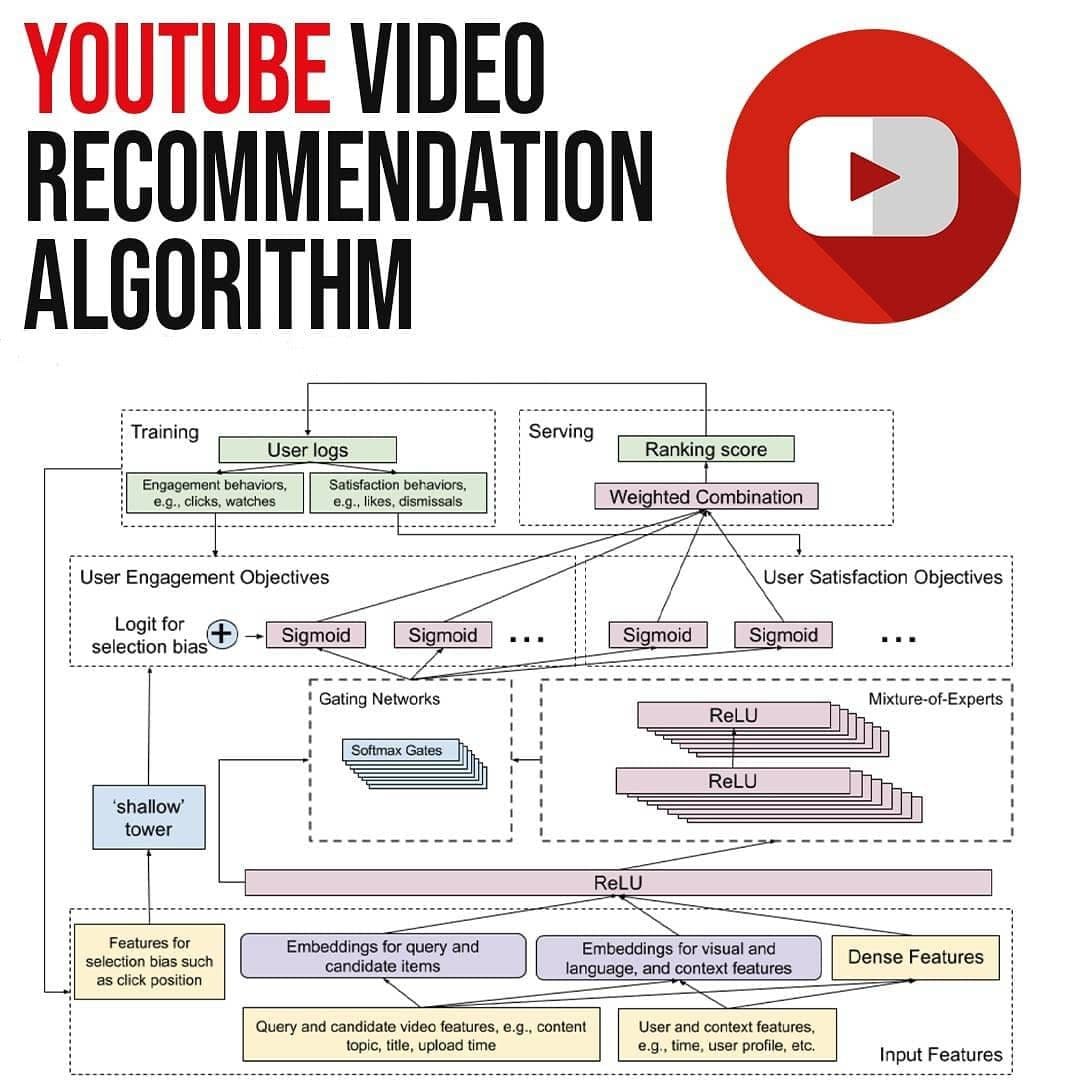
A systematic review found 14 studies implicating YouTube's recommender system in facilitating problematic content pathways. UC Berkeley found conspiratorial recommendations were only 40% less common than before YouTube's interventions. A Mozilla Foundation report showed 71% of volunteer-flagged harmful videos were recommended by the algorithm. A study found users consistently migrate from milder to more extreme content. YouTube declined to share internal data that it claimed contradicted these findings.
“YouTube's algorithm is deliberately funneling people toward increasingly extreme content to maximize watch time and ad revenue.”
What they said vs. what the evidence shows
“Our recommendation system does not promote extremist content. We've made significant changes to reduce borderline content.”
— YouTube Chief Product Officer Neal Mohan · Jun 2019
SourceFrom “crazy” to confirmed
The Claim Is Made
This is the moment they called it crazy.
For years, YouTube insisted its recommendation algorithm was working as intended. The platform's executives maintained that their systems were designed to surface relevant content while actively suppressing conspiracy theories and extremist material. When critics raised alarms about users being guided down rabbit holes of increasingly radical content, YouTube pushed back hard, claiming their interventions were effective and their data showed otherwise.
What YouTube wouldn't do is share that data with independent researchers.
A systematic review examining 14 separate studies found something different from what the platform claimed. These researchers, working across institutions including UC Berkeley, discovered consistent evidence that YouTube's recommender system was actively facilitating pathways to conspiratorial and extremist content. The studies weren't fringe work—they were peer-reviewed research documenting a real phenomenon that millions of users were experiencing.
The UC Berkeley findings were particularly telling. Even after YouTube had publicly announced interventions specifically designed to reduce recommendations of conspiratorial content, the algorithm was still promoting such material at rates only 40 percent lower than before. That's not a success story. That's an algorithm that had barely budged despite the company's confident assurances and claimed technical fixes.
A Mozilla Foundation report added another layer of evidence. Researchers recruited volunteers to flag videos they considered harmful—misinformation, conspiracy theories, extremist material. Then they examined where those videos came from in users' feeds. Seventy-one percent had been recommended directly by YouTube's algorithm. This wasn't people stumbling upon fringe content through search. This was YouTube's own system actively serving it to them.
Get the 5 biggest receipts every week, straight to your inbox — plus an exclusive PDF: The Top 10 Conspiracy Theories Proven True in 2025-2026. No spam. No agenda. Just the papers they couldn't hide.
You just read "YouTube's recommendation algorithm was found to promote cons…". We send ones like this every week.
No one's said anything yet. Be the first to drop your take.
The migration pattern emerged across multiple studies. Researchers tracked user behavior and found a clear progression: people would start with relatively mainstream content, receive algorithmic recommendations for slightly more extreme versions, then gradually migrate toward increasingly radical material. The algorithm wasn't neutral. It was functioning as a delivery mechanism, moving users along a spectrum toward more extreme viewpoints.
When confronted with these findings, YouTube's response remained consistent: trust us, our internal data tells a different story. The company claimed to have proprietary information that contradicted these independent findings but declined to release it for external verification. This created an impossible situation—YouTube was asking the public to accept their word against published research while refusing to provide the data that could settle the question.
That asymmetry matters. YouTube operates one of the world's largest information distribution networks. Billions of people use it. The algorithm that determines what they see next shapes public discourse, influences political views, and affects vulnerable individuals' susceptibility to radicalization. When a platform this significant claims its systems are safe but won't show its work, that's not confidence in the data. That's the opposite.
The partially verified status reflects the reality: independent researchers have documented the problem thoroughly, but we don't have access to YouTube's complete internal records. What we know is compelling enough that the burden shifted long ago. YouTube could end this debate immediately by opening its data to independent researchers. That it hasn't speaks volumes about what that data likely shows.
Beat the odds
This had a 0.4% chance of leaking — someone talked anyway.
Conspirators
~150Network
Secret kept
7.3 years
Time to 95% exposure
500+ years