Search bias, antitrust, Project Dragonfly, and the receipts Big Tech keeps filing away.
Google isn't neutral — and the court filings, DOJ antitrust case and leaked internal slides prove it. This timeline tracks every documented Google, YouTube and Alphabet receipt from Project Dragonfly to the 2026 antitrust rulings.
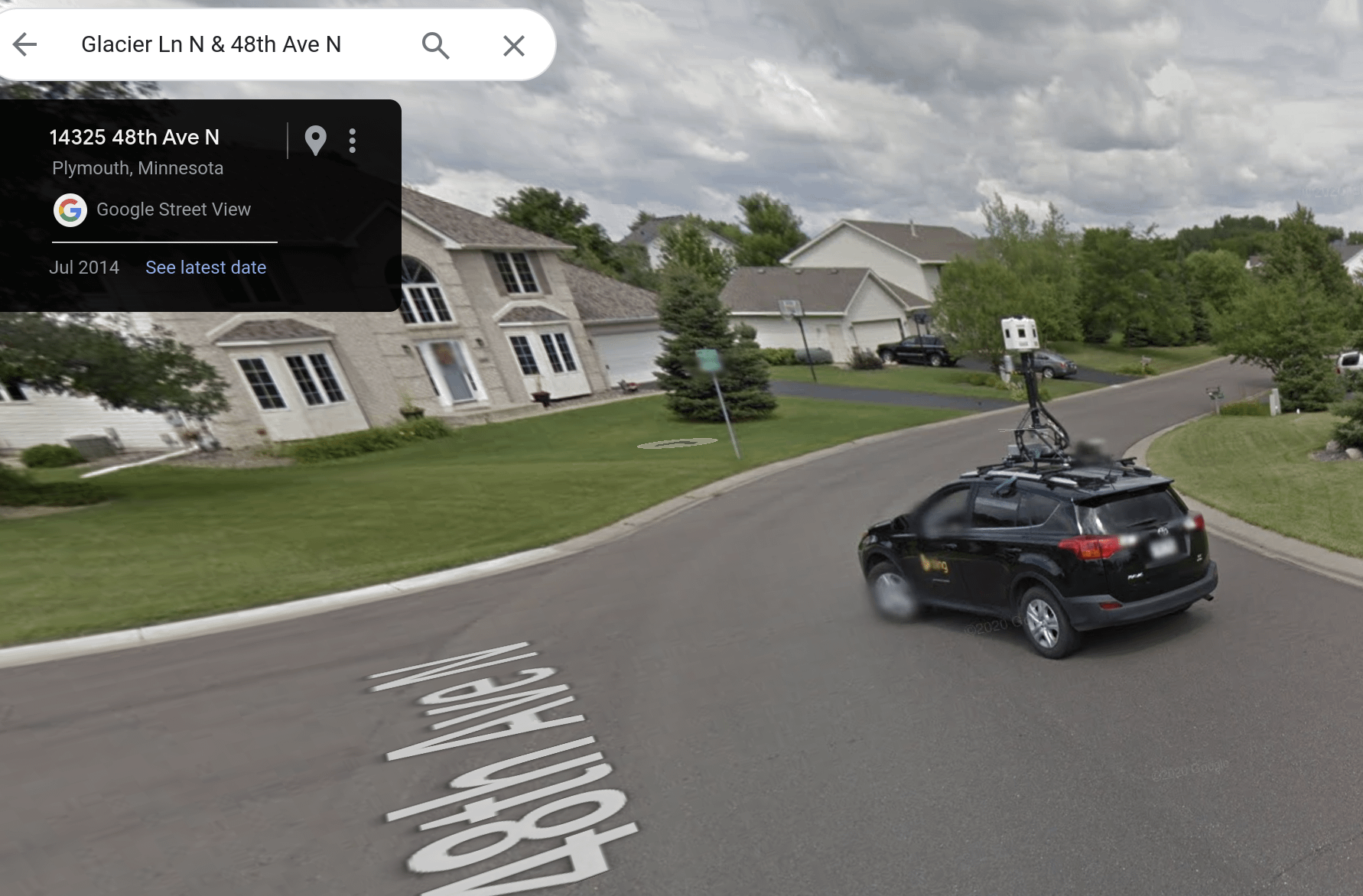
Google admitted Street View vehicles collected passwords, emails, and personal data from unsecured WiFi networks. Company initially claimed only public information was gathered.

From 2007 to 2010, Washington Post columnist Ezra Klein ran 'JournoList,' a private Google Groups forum with 400 left-leaning journalists, academics, and policy wonks from major outlets including the New York Times, Newsweek, and The New Yorker. Members included Jeffrey Toobin, Paul Krugman, and Eric Alterman. Leaked emails showed members discussing coordinated messaging around controversial stories, particularly defending Barack Obama. Tucker Carlson published evidence of members 'coordinating talking points on behalf of Democratic politicians.' Klein shut it down in 2010 after exposure.
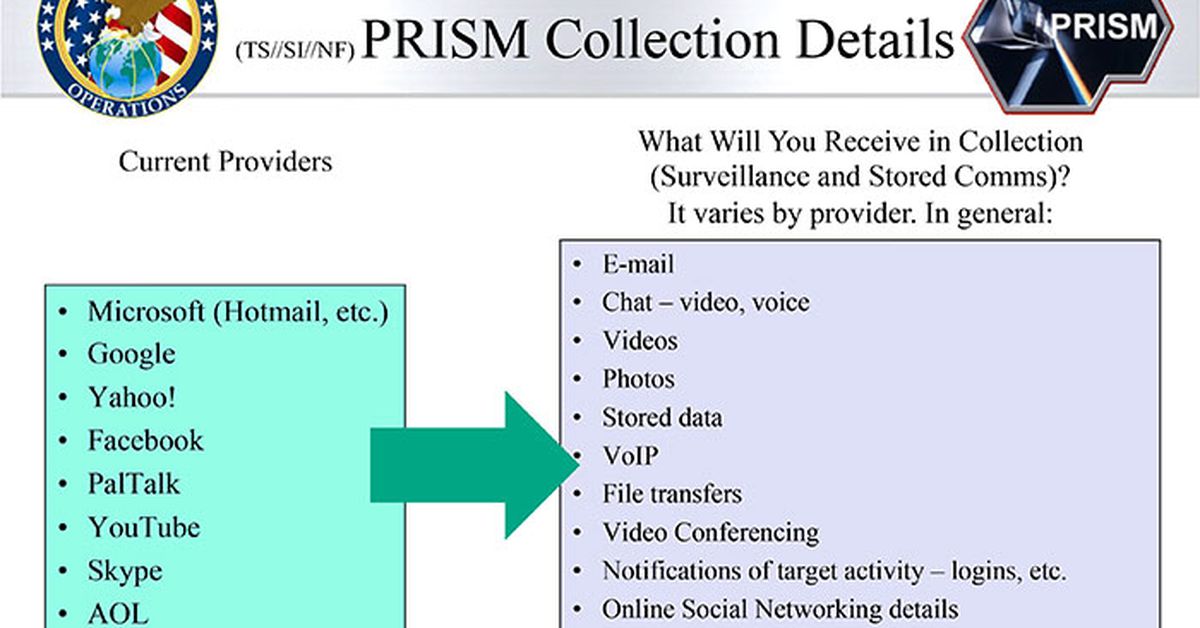
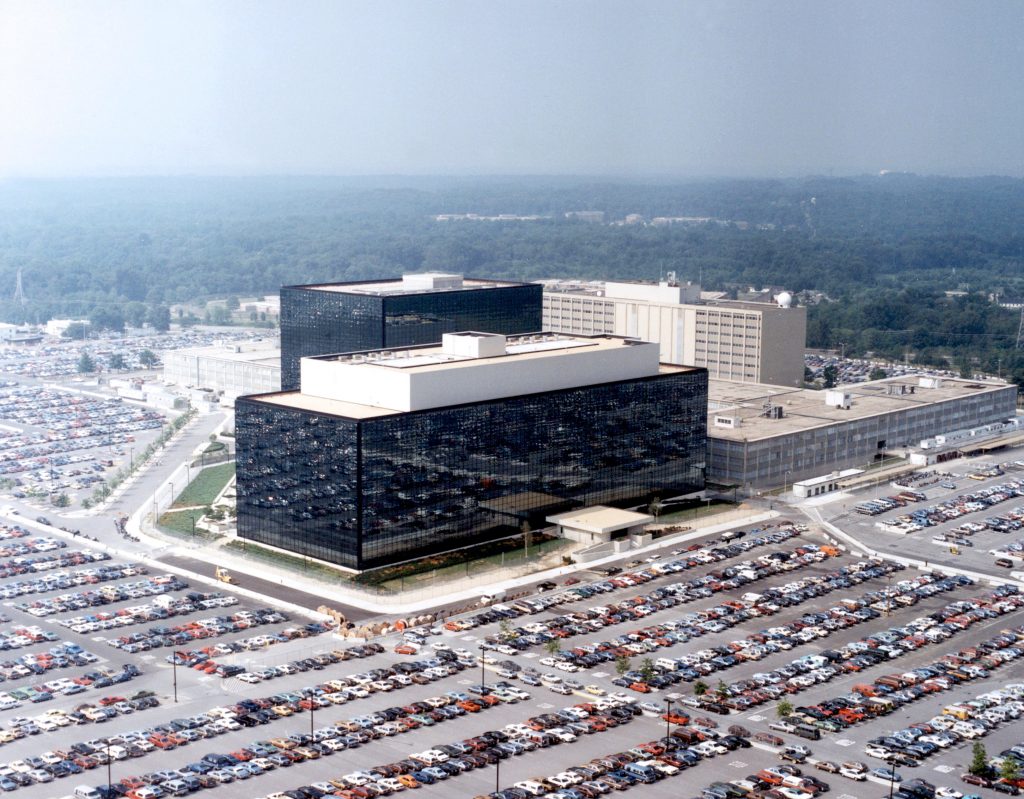
Edward Snowden revealed that the PRISM program gave the NSA direct access to the servers of nine major tech companies. PRISM was 'the number one source of raw intelligence used for NSA analytic reports,' accounting for 91% of internet traffic acquired under FISA Section 702. The Boundless Informant tool showed over 97 billion pieces of intelligence collected in a single 30-day period.
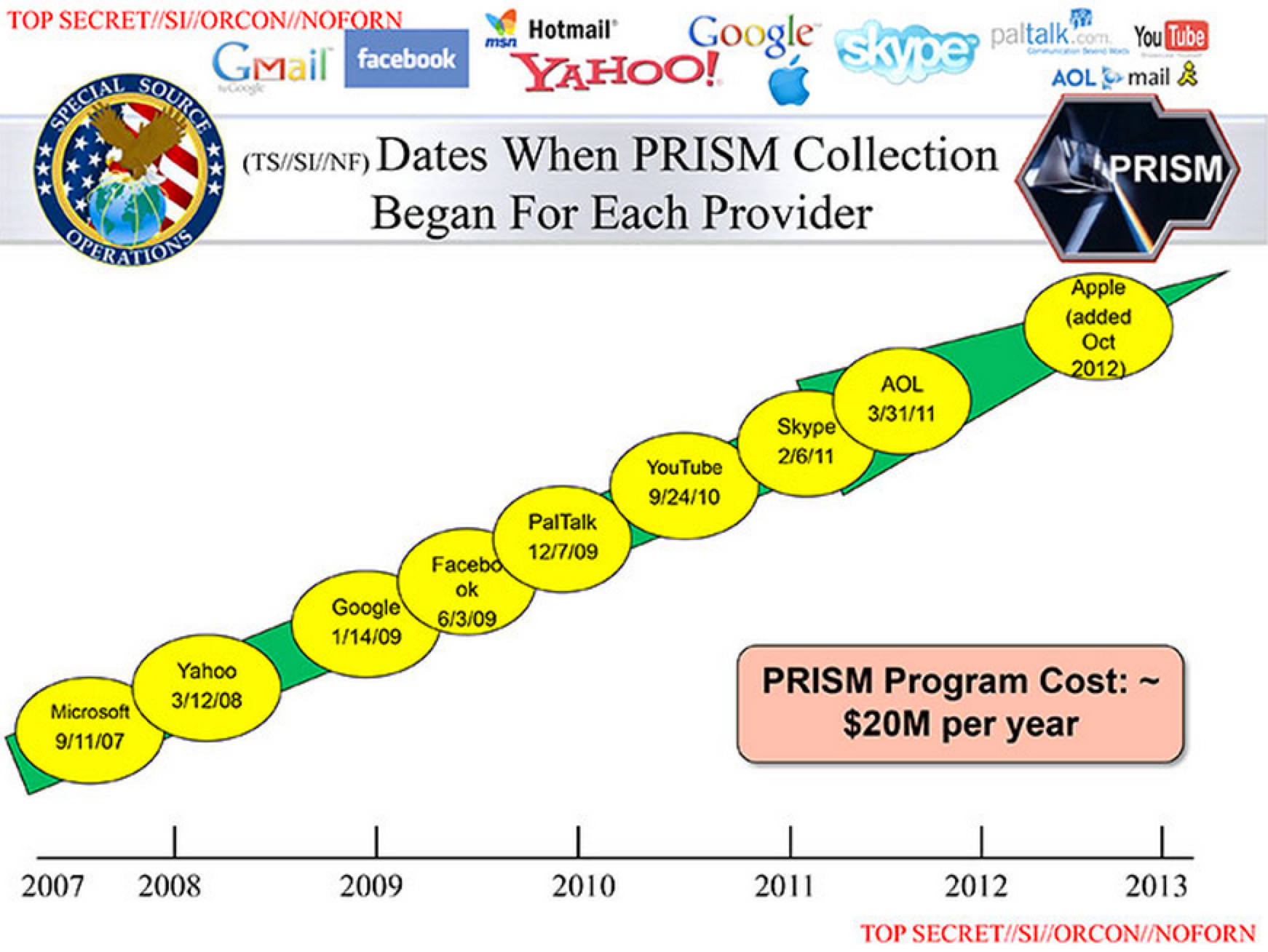
Edward Snowden's 2013 leak revealed PRISM, a secret NSA program operational since 2007 under the Protect America Act. PRISM granted the NSA direct access to the servers of nine major tech companies — Google, Facebook, Apple, Microsoft, Yahoo, Skype, YouTube, AOL, and PalTalk — allowing the agency to collect emails, chats, photos, and stored data without users' knowledge. Intelligence chief James Clapper had told Congress the NSA was 'not wittingly' collecting data on Americans, a statement proven false.
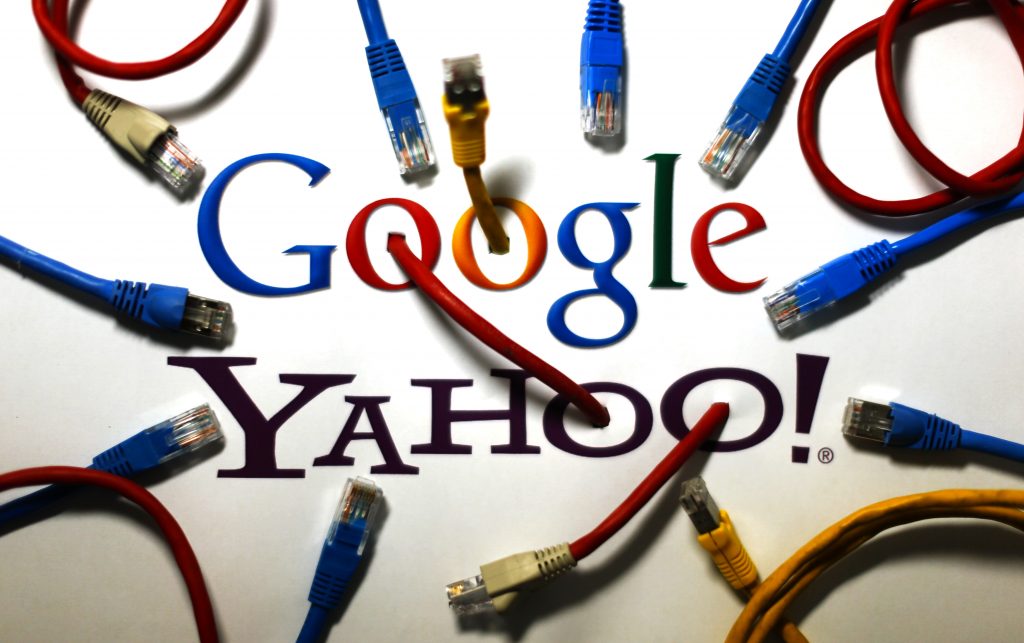
Snowden documents revealed the MUSCULAR program (DS-200B), jointly operated by the NSA and GCHQ, which intercepted data flowing through fiber-optic cables connecting Google and Yahoo data centers worldwide. Unlike PRISM, MUSCULAR required no warrants or corporate cooperation. In just 30 days, the program collected over 181 million records including emails, text, audio, and video. Google was so outraged it began encrypting all inter-data-center traffic.
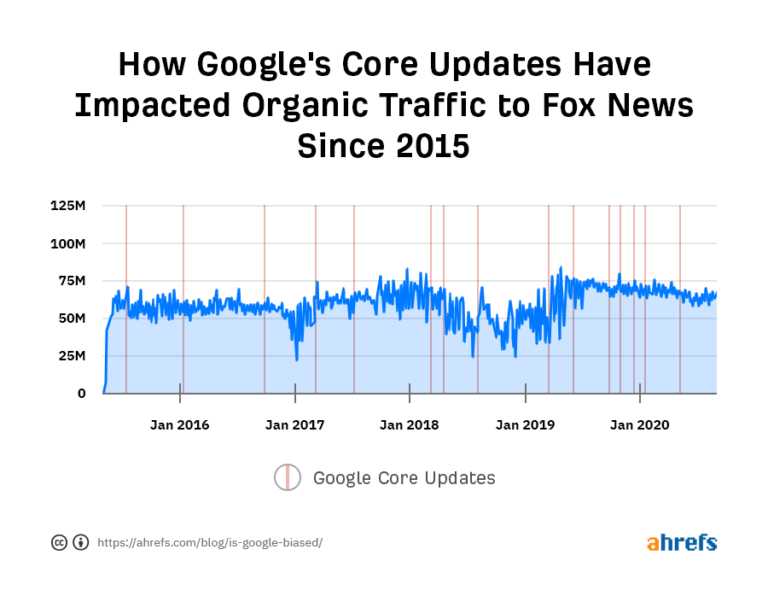
Psychologist Robert Epstein's research demonstrated the Search Engine Manipulation Effect (SEME): biased search rankings can shift voting preferences of undecided voters by 20% or more, with up to 80% of people unaware of the manipulation. Epstein estimated search bias may have shifted 78.2 million votes in the 2018 midterms. Google's autocomplete suggestions alone can turn a 50/50 voter split into 90/10. While Google denies intentional political manipulation, the 2020 DOJ antitrust case confirmed Google's monopolistic control over 92% of global search.
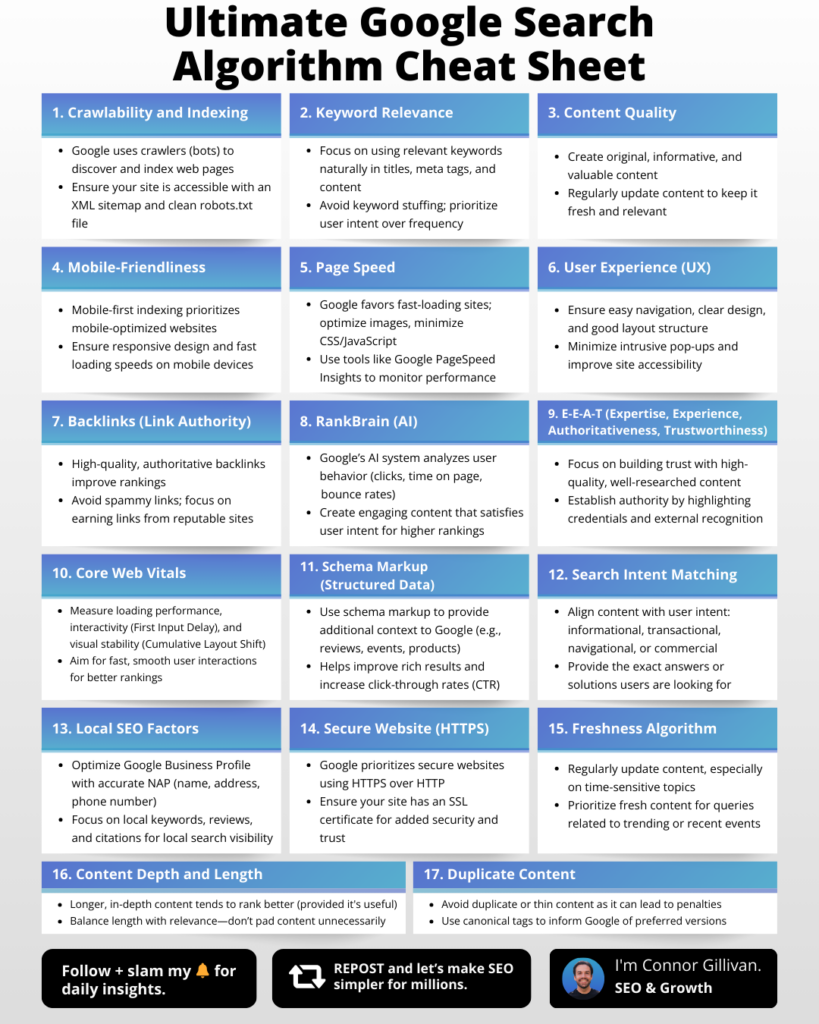
Dr. Robert Epstein's peer-reviewed research published in PNAS (2015) demonstrated the 'Search Engine Manipulation Effect' (SEME): biased search rankings can shift voting preferences of undecided voters by 20% or more, and up to 80% in some demographics like moderate Republicans. The manipulation can be masked so users show no awareness. Epstein testified to Congress that Google's search dominance gives it unprecedented power to influence elections. Given that many elections are won by small margins, a search engine company could determine outcomes 'with impunity.'

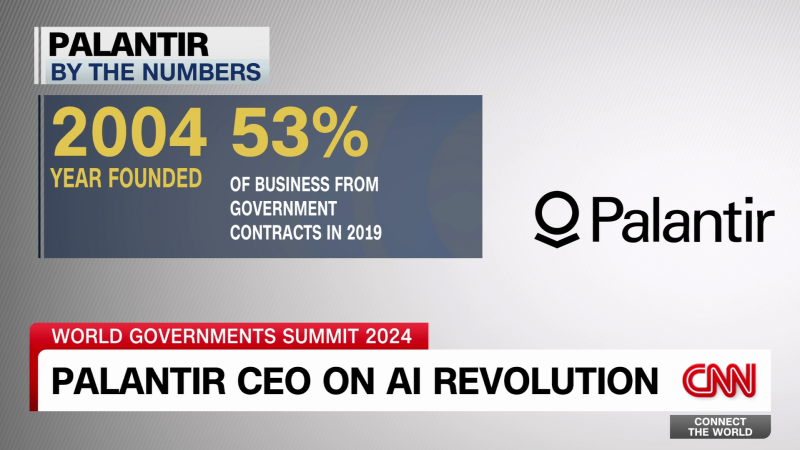
In 2017, Google partnered with the Pentagon on Project Maven, using AI to analyze drone surveillance footage and identify targets. The contract was kept secret until exposed by Gizmodo in March 2018. Over 4,000 Google employees signed a letter demanding Google exit 'the business of war,' and at least 12 resigned in protest. Google eventually let the contract expire in March 2019 and published AI ethics principles prohibiting weapons development. Palantir subsequently took over the contract.
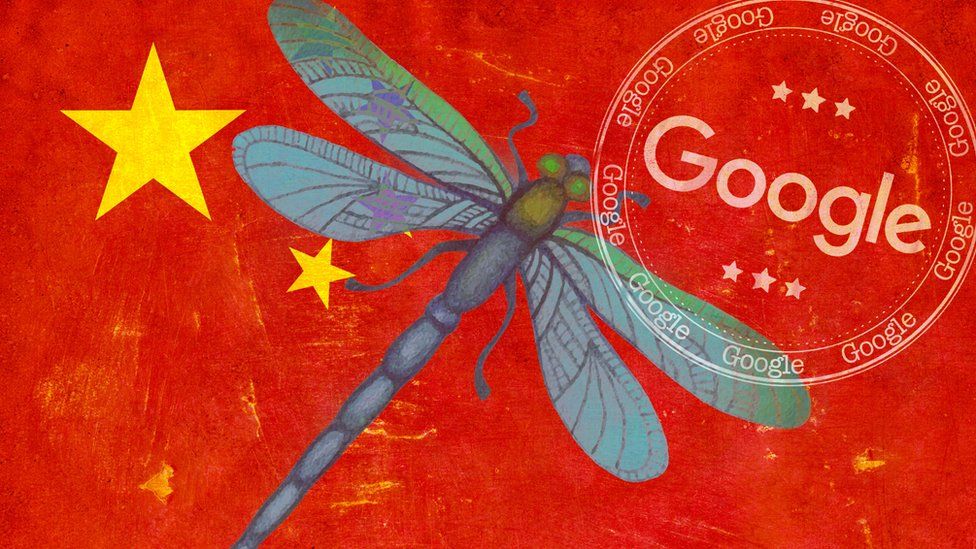
The Intercept revealed in 2018 that Google was secretly developing Project Dragonfly — a censored search engine for China that would blacklist terms like 'human rights,' 'student protest,' and 'Nobel Prize,' and link users' searches to their personal phone numbers. Over 1,400 Google employees signed a letter protesting the project. After public outcry and congressional scrutiny, Google's VP of Public Policy confirmed the project was terminated in 2019.
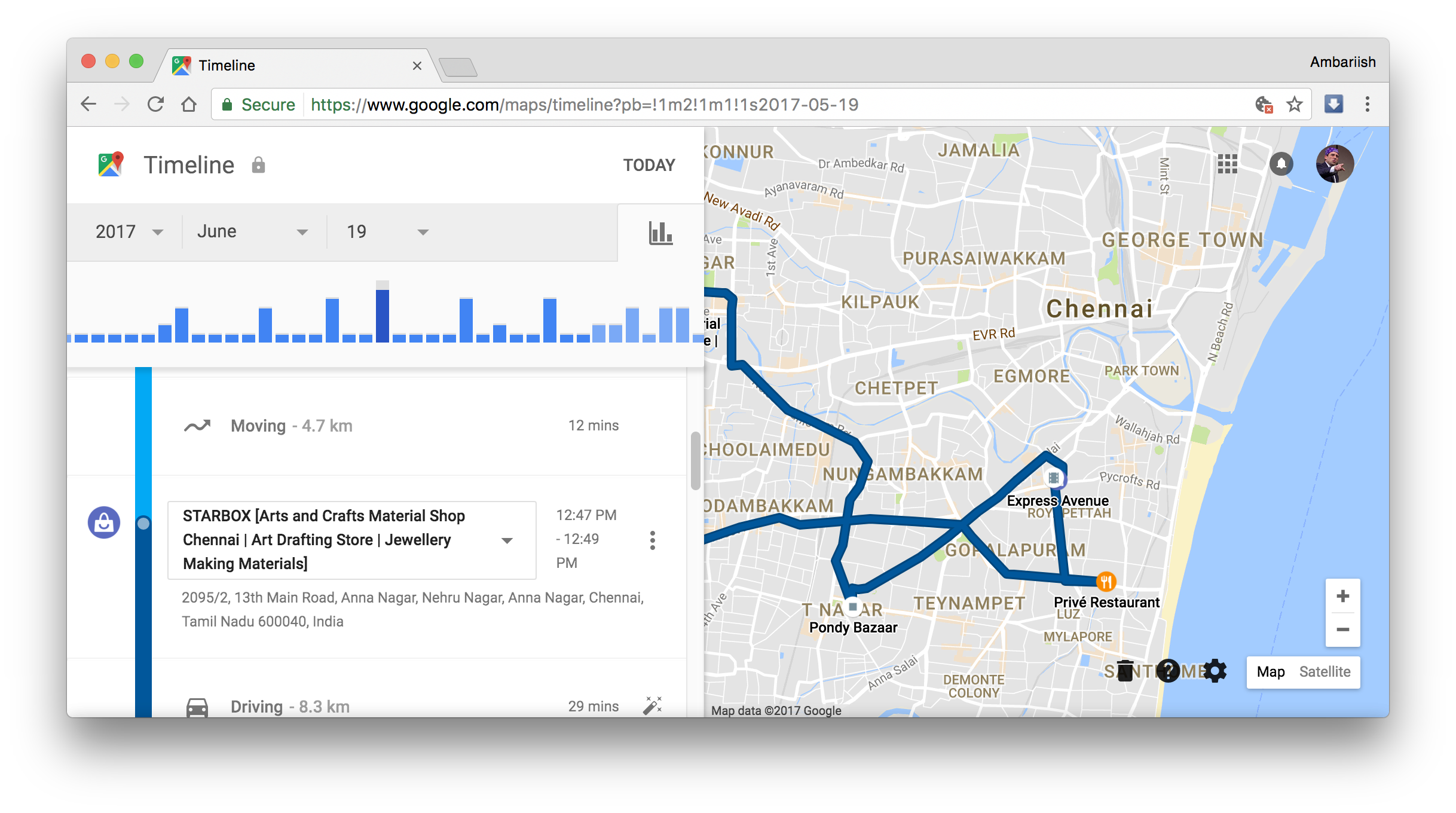
An August 2018 AP investigation revealed that Google continued to track users' physical locations even when they disabled 'Location History' in their account settings. A separate 'Web & App Activity' setting, enabled by default, continued collecting location data. Internal emails showed Google employees knew the settings were confusing. Google was sued by 40 states and settled for a record $392 million. Google Assistant was also found to be recording without consent, leading to a separate $68 million settlement.
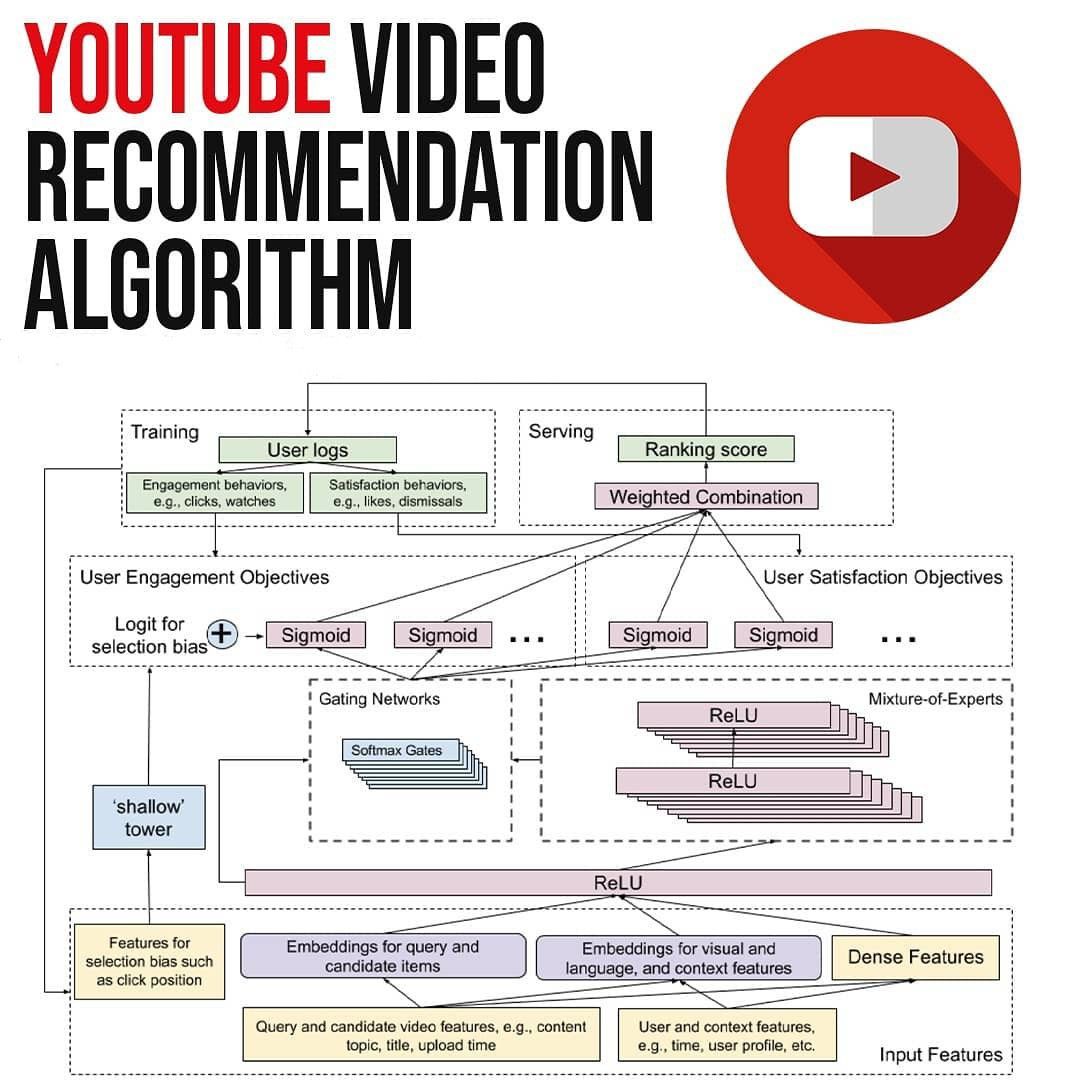
A systematic review found 14 studies implicating YouTube's recommender system in facilitating problematic content pathways. UC Berkeley found conspiratorial recommendations were only 40% less common than before YouTube's interventions. A Mozilla Foundation report showed 71% of volunteer-flagged harmful videos were recommended by the algorithm. A study found users consistently migrate from milder to more extreme content. YouTube declined to share internal data that it claimed contradicted these findings.
Bloomberg reported in April 2019 that Amazon employed thousands of workers worldwide who listened to Alexa recordings captured in users' homes. Workers heard 'confidential medical information, drug deals, and recordings of couples having sex.' Apple contractors listened to ~1,000 Siri recordings daily, including unintentional activations. Google Assistant did the same. All three companies initially failed to disclose that humans were reviewing recordings. Apple and Google temporarily suspended the practice; Amazon eventually let users opt out.
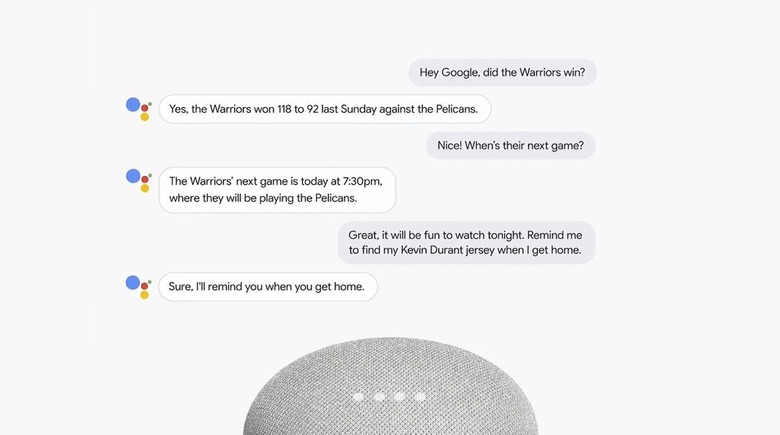
In July 2019, Belgian broadcaster VRT NWS obtained over 1,000 Google Assistant recordings from a contractor, many captured without the wake word being spoken. Recordings included bedroom conversations, phone calls with sensitive information, and domestic arguments. Google acknowledged that contractors listen to about 0.2% of all audio snippets — which amounts to millions of recordings given the scale. Google settled a $68 million lawsuit for recording users without proper consent. The company had failed to disclose that human contractors reviewed recordings.
In August 2024, Judge Amit Mehta ruled that Google held monopoly power in search (90% desktop, 95% mobile) and used it illegally to keep competitors out. Google's distribution contracts paid Apple and others billions for default search status, creating such lock-in that an Apple executive testified there was 'no price' Microsoft could offer to preload Bing. Google was also found liable for monopolizing publisher ad server and ad exchange markets, 'substantially harming' publishers. The court imposed behavioral remedies including banning exclusive contracts for Google Search, Chrome, and AI products.
The DOJ v. Google antitrust trial (2023) revealed that Google destroyed documents ('the sheer volume of destroyed documents is remarkable'), with CEO Pichai instructing chats to be set to 'history off.' Google rejected Apple's choice-screen proposal with 'No default placement, no revenue share.' Judge Mehta ruled on August 5, 2024: 'Google is a monopolist, and it has acted as one to maintain its monopoly.'

The night Epstein died, prison guard Tova Noel searched Google: "Can prisoners die on suicide watch?" She was the last person to see him alive
In 2024, the Department of Justice won a landmark antitrust case proving Google illegally maintained its search monopoly by paying billions to be the default search engine, stifling competition.
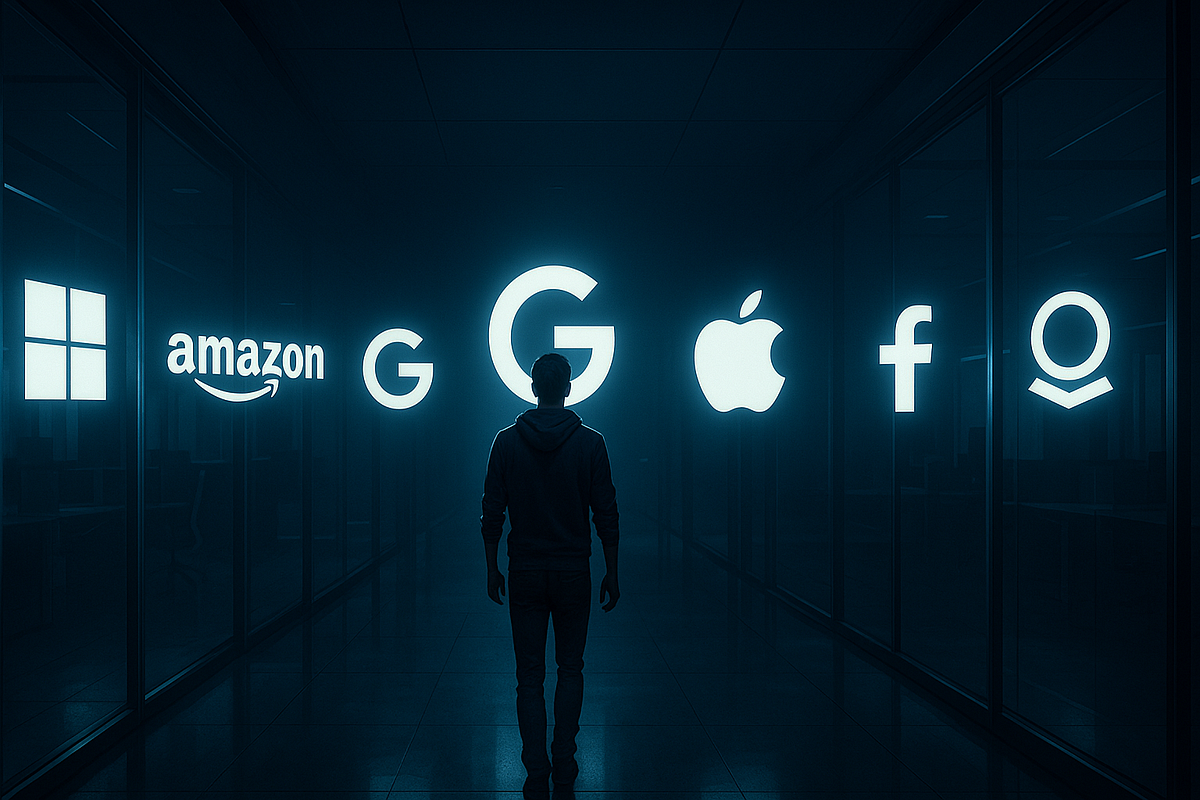
An investigation by WIRED revealed that Microsoft, Amazon, Google, and Palantir collectively spent at least $515 million providing surveillance technology to ICE and CBP — including iris scanners, facial recognition, phone-hacking software, and cell location tracking.
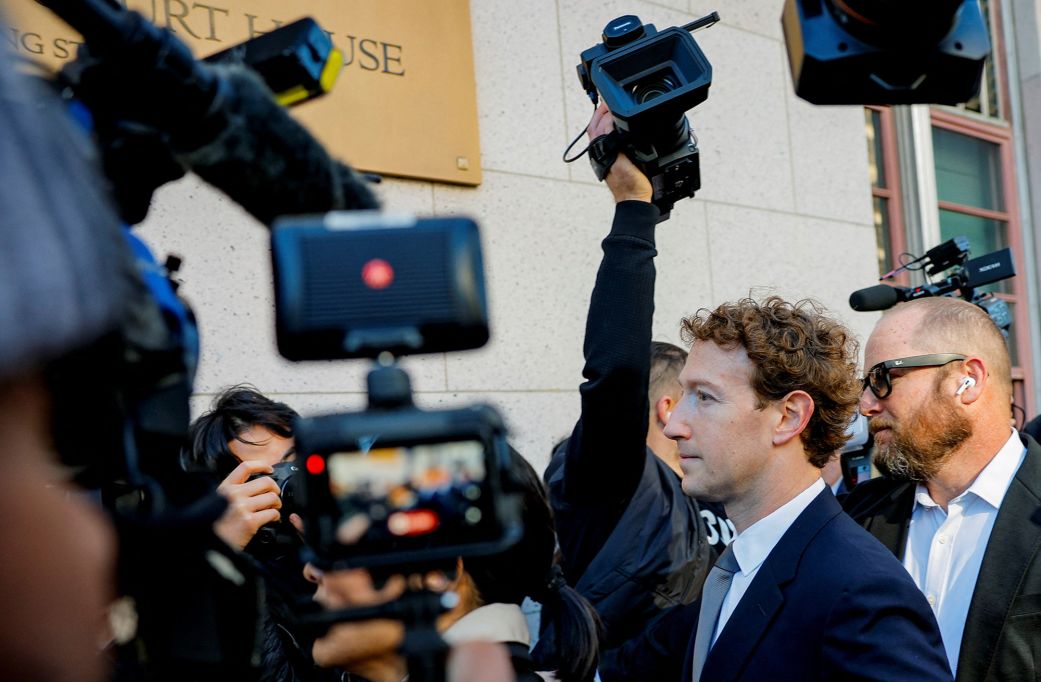
Landmark jury verdict: Meta and YouTube deliberately designed addictive platforms, knew the harm to children, and hid it. Internal docs revealed Zuckerberg saying 'If we wanna win big with teens, we must bring them in as tweens.' 2,000+ lawsuits pending.

Russia's covert assassination unit Center 795 ran hits globally for years until one operative routed communications through Google Translate — giving the FBI real-time access to their messages.
A federal court ruled in favor of DOJ remedies in the Google search monopoly case, banning Google from entering exclusive distribution agreements for Chrome, Gemini, and Google Assistant. The ruling builds on Judge Mehta's 2024 liability finding and runs parallel to Judge Brinkema's 2025 ad-tech monopoly ruling.
Every entry on this timeline started as a tip. If you have documentation, a court filing, a leaked memo or a screenshot — drop it.
+ Drop a Receipt