$350M to CTCL for 'COVID response.' Less than 1% PPE. FEC: 6-0 no wrongdoing. 8 states banned private election funding.
“$350M. Called it COVID safety. Less than 1% to PPE. 8 states banned it.”
What they said vs. what the evidence shows
“No reason to believe wrongdoing.”
— FEC · Sep 2022
SourceFrom “crazy” to confirmed
The Claim Is Made
This is the moment they called it crazy.
When Mark Zuckerberg announced a $350 million donation to election administration through the Center for Tech and Civic Life in 2020, it was framed as a straightforward pandemic relief effort. The Facebook founder's spokesperson stated the money was intended to help election offices respond to COVID-19 challenges. Few questioned the narrative at the time.
What followed was a predictable pattern. Critics raised concerns about the private funding of public elections, questioning whether such concentrated philanthropy created conflicts of interest. The response from supporters was swift: federal authorities had reviewed the matter and found no wrongdoing. The Federal Election Commission voted 6-0 that there were no violations. Case closed, many assumed.
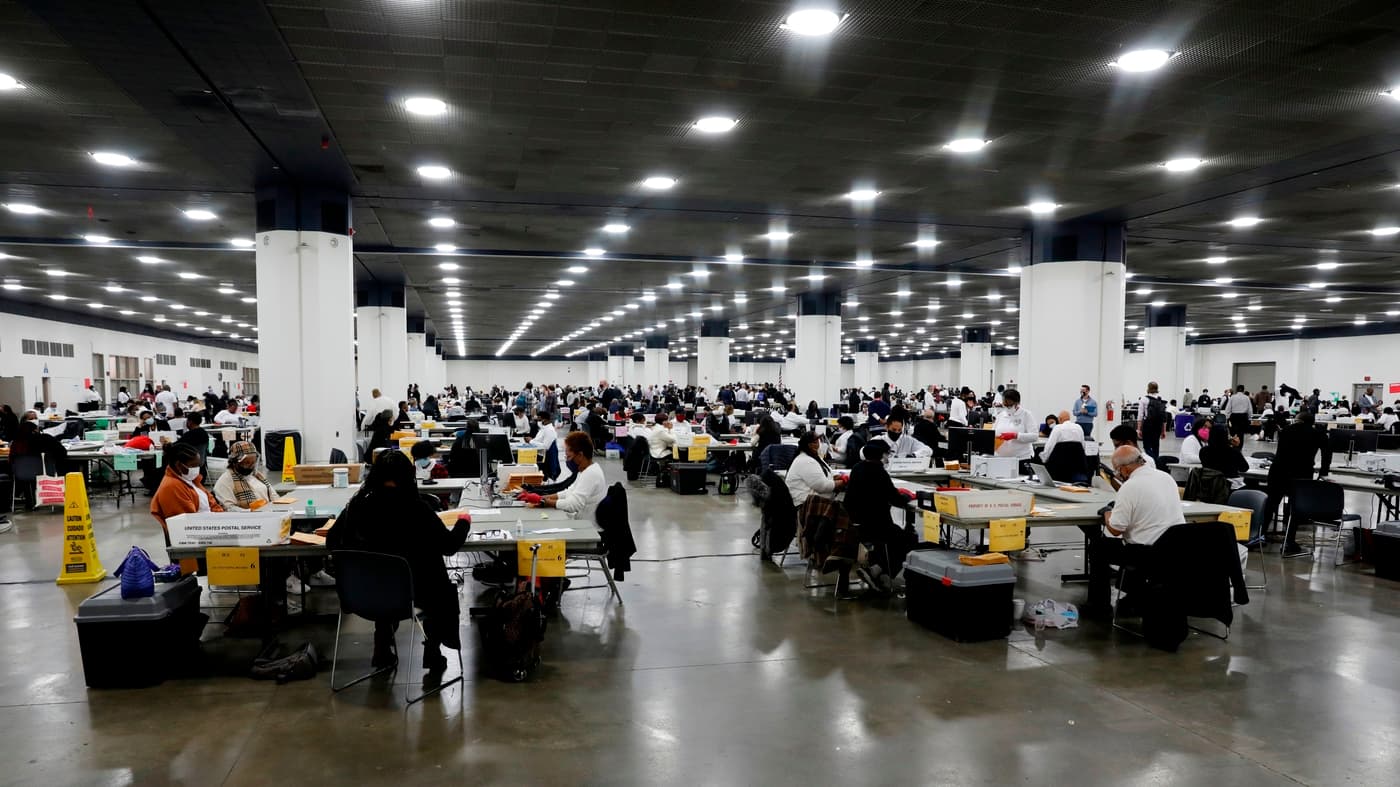
But the claim deserves closer examination because the details reveal a more complicated story than either side initially acknowledged. According to documented reporting, of that $350 million in donations, less than 1 percent went toward personal protective equipment or traditional COVID response measures. The overwhelming majority went toward election infrastructure, staffing, and administration in key jurisdictions during a contentious election year.
This distinction matters because it challenges the original framing. If the funding was genuinely about pandemic response, why did election offices receive substantial resources while PPE—the stated COVID priority—remained negligible? The numbers suggest the primary purpose was always election administration, with the pandemic serving as the contextual justification.
The response from eight states tells another part of this story. Election officials in these states moved to restrict or ban private funding of election administration going forward. This wasn't merely political posturing. These states recognized a substantive governance issue: when private donors fund public election infrastructure, questions of influence and equity inevitably arise. Some jurisdictions received millions while others received nothing, depending partly on donor priorities and connections.
Get the 5 biggest receipts every week, straight to your inbox — plus an exclusive PDF: The Top 10 Conspiracy Theories Proven True in 2025-2026. No spam. No agenda. Just the papers they couldn't hide.
You just read "Zuckerberg $350M to election offices - less than 1% to PPE, …". We send ones like this every week.
No one's said anything yet. Be the first to drop your take.
Source: Zuckerberg $350M to election offices - less than 1% to PPE, 8 states banned it
Confirmed: They Were Right
The truth comes out. Officially documented.
Confirmed: They Were Right
The truth comes out. Officially documented.
The FEC's 6-0 determination of no wrongdoing stands, technically. Federal election law didn't prohibit the donations, and no laws were technically broken. This is the legal reality that proponents cite. But legal permissibility and sound governance are different questions. The fact that something is lawful doesn't automatically make it appropriate or beyond scrutiny.
What makes this claim partially verified rather than fully confirmed is precisely this tension. The documented facts are accurate: Zuckerberg did donate $350 million through CTCL, PPE funding was minimal, eight states did respond with restrictions, and federal authorities did clear the transaction. None of that is disputed. What remains contested is interpretation—whether this represents a concerning blurring of private and public election authority or a legitimate philanthropic response to an unprecedented situation.
The broader significance extends beyond one donation. This episode illustrates how institutional legitimacy depends on more than legal compliance. When major private actors can substantially influence election administration funding patterns, the appearance of impartiality erodes regardless of intent. Eight state legislatures apparently reached this conclusion independently.
For citizens trying to understand what happened, the partial verification is actually the honest answer. The facts are documented. The law was followed. The questions about democratic principle, equity, and appropriate boundaries between private wealth and public elections remain unresolved. That tension is worth acknowledging rather than dismissing.
Beat the odds
This had a 0.4% chance of leaking — someone talked anyway.
Conspirators
~500Large op
Secret kept
1.9 years
Time to 95% exposure
500+ years