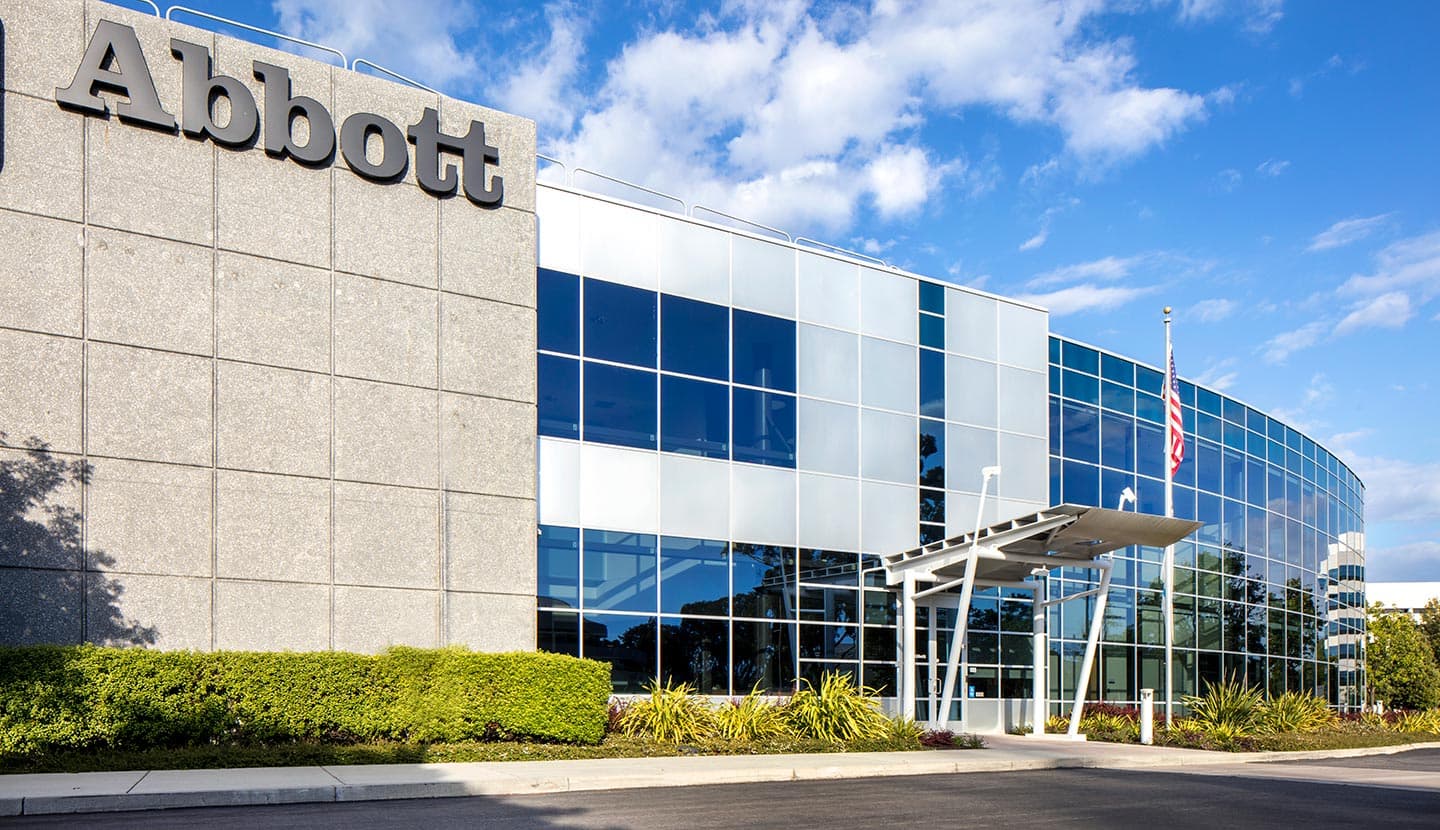
FDA inspection records showed Abbott knew its Sturgis plant had dangerous bacteria contamination for months but kept producing baby formula, leading to infant deaths and nationwide shortage in 2022.
“Our manufacturing facilities meet all FDA safety standards and produce safe, nutritious infant formula”
From “crazy” to confirmed
The Claim Is Made
This is the moment they called it crazy.
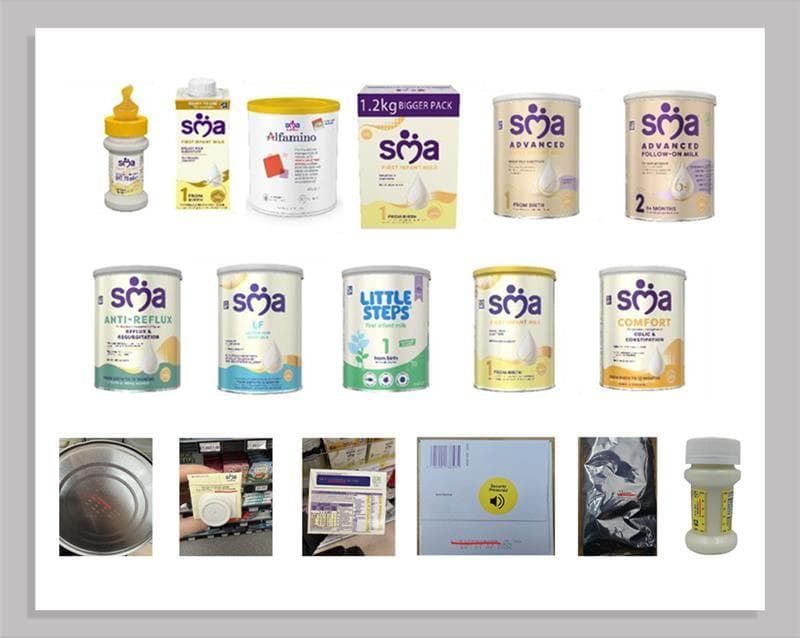
When parents rushed to hospitals in September 2021, their infants showing signs of serious bacterial infection, few could have predicted the chain of events that would unravel over the following months. By early 2022, the culprit became clear: baby formula manufactured at Abbott Nutrition's plant in Sturgis, Michigan was contaminated with dangerous bacteria. What made this story far worse than a simple manufacturing accident was what came next—evidence suggesting Abbott knew about the contamination long before consumers did.
The initial narrative from Abbott and some regulatory observers was reassuring. The company issued recalls, cooperated with authorities, and promised to fix the problem. Parents were told this was an isolated incident, a failure in quality control that had been caught and addressed. The FDA launched an investigation, and for a time, the public largely accepted that this was a temporary crisis that would be resolved.
But FDA inspection records told a different story entirely. According to the Warning Letter issued to Abbott Nutrition Corporation, inspectors found that the company had documented evidence of bacterial contamination—specifically Cronobacter sakazakii and other pathogens—dating back months before the first infant fell ill. Internal records showed Abbott was aware of positive test results for dangerous bacteria in its facility. Despite this knowledge, the company continued manufacturing and distributing infant formula to families across the country.
The timeline is crucial here. Inspectors discovered that Abbott had failed to take adequate corrective action even after identifying contamination risks. The company's own testing protocols had revealed problems, yet production continued. This wasn't a case of unknown contamination or an unexpected equipment failure—it was a documented awareness of a serious hazard paired with inaction. The Warning Letter made this explicit, detailing how the company's quality assurance systems had broken down in fundamental ways.
Get the 5 biggest receipts every week, straight to your inbox — plus an exclusive PDF: The Top 10 Conspiracy Theories Proven True in 2025-2026. No spam. No agenda. Just the papers they couldn't hide.
You just read "Abbott Labs knew infant formula plant was contaminated but c…". We send ones like this every week.
No one's said anything yet. Be the first to drop your take.
The human cost of this failure cannot be overstated. Multiple infants became seriously ill. At least two deaths were linked to the contaminated formula. Parents across America faced a formula shortage as Abbott's products were pulled from shelves, forcing families into desperate searches for alternatives during a critical period. Beyond the immediate victims, millions of parents lost confidence in a product they depend on for their children's survival.
This case represents something crucial about institutional trust. When companies or regulators assure the public that a problem has been caught and contained, there's an implicit promise that known dangers weren't allowed to persist. The Abbott case shattered that assumption. Here was documented evidence that a major manufacturer had knowledge of contamination and continued production anyway—a decision that affected the most vulnerable population imaginable.
The verification of this claim matters because it exposes how far removed the public narrative can be from documented reality. What was presented as an unfortunate accident turned out to be something far more troubling: a failure of responsibility by a company that knew better. The Warning Letter wasn't speculation or conspiracy—it was the FDA's official assessment based on inspection findings.
For parents trying to protect their children, for regulators tasked with keeping products safe, and for anyone who needs to trust that major corporations won't knowingly endanger infants for the sake of production schedules, the Abbott case is a stark reminder. Sometimes the things we're told weren't true. And sometimes, those things matter most when they involve the people least able to protect themselves.
Beat the odds
This had a 0.5% chance of leaking — someone talked anyway.
Conspirators
~300Network
Secret kept
4.2 years
Time to 95% exposure
500+ years