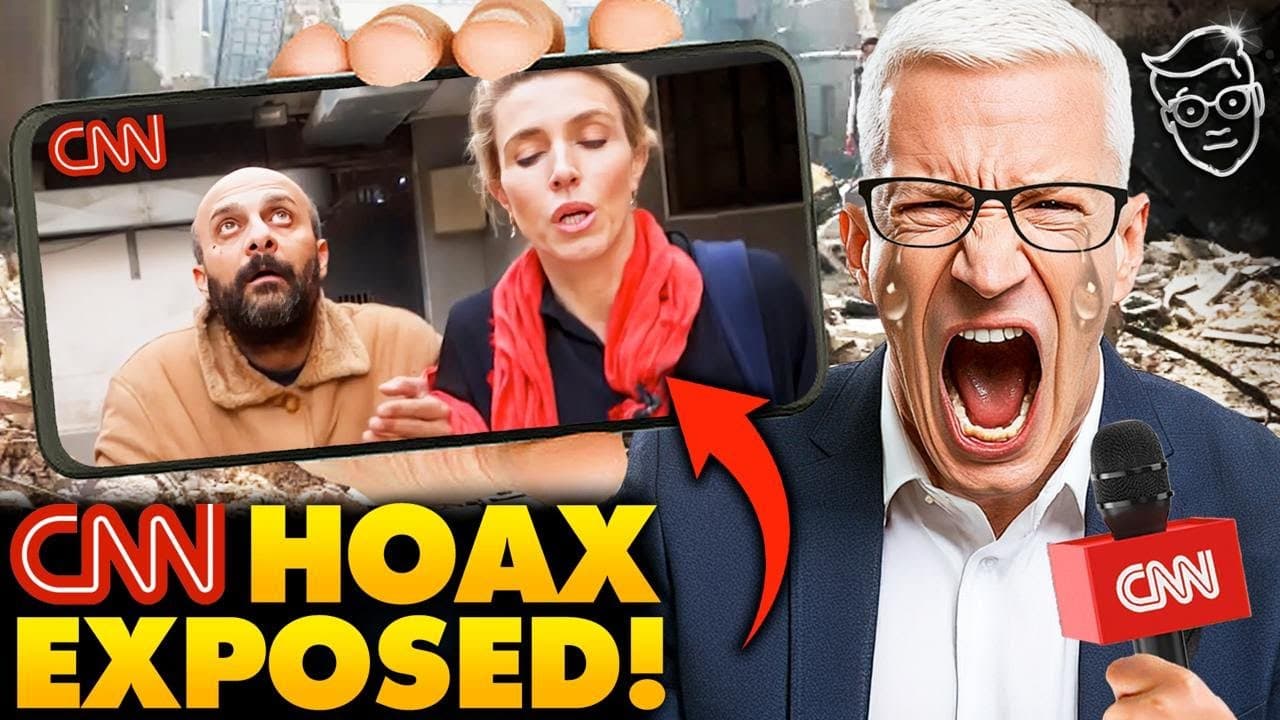
In 2012, three-time Emmy Award-winning CNN journalist Amber Lyon revealed that CNN International refused to air her documentary 'iRevolution' about severe human rights abuses during the Bahrain uprising — despite it winning a Gold World Medal Award. Lyon, working with Glenn Greenwald, presented evidence that Bahrain's government was paying CNN for sponsored content that presented the regime favorably. The documentary aired in the US but was killed for CNN International's audience — which included Bahrain. CNN confirmed receiving advertising payments from the Bahrain Economic Development Board.
“CNN is taking money from repressive foreign governments to produce favorable coverage while killing legitimate investigative journalism about human rights abuses in those same countries.”
What they said vs. what the evidence shows
“CNN International denies Lyon's claims of censorship or any wrongdoing. We produce no editorial content on behalf of any advertiser or sponsor.”
— CNN International Spokesperson · Sep 2012
SourceFrom “crazy” to confirmed
The Claim Is Made
This is the moment they called it crazy.
Confirmed: They Were Right
The truth comes out. Officially documented.
Confirmed: They Were Right
The truth comes out. Officially documented.
When Emmy-winning journalist Amber Lyon tried to air a documentary about human rights abuses in Bahrain, she discovered something that would challenge the credibility of one of America's largest news organizations. What happened next revealed a potential conflict of interest that went largely unexamined by mainstream media.
In 2012, Lyon, a three-time Emmy Award winner with years of CNN reporting experience, had completed a documentary called "iRevolution" that detailed severe human rights violations during Bahrain's 2011 uprising. The film had earned international recognition, winning a Gold World Medal Award. It was ready for broadcast.
But there was a problem. CNN International—the network's international broadcast service—refused to air the documentary, even as CNN's domestic US audience saw it. The geographic specificity of this decision was notable: CNN International's audience included Bahrain itself, the very country featured in Lyon's investigation.
CNN's official position was that editorial decisions were made independently based on news judgment. The network characterized the decision as routine programming choices made by different divisions. There was no acknowledgment of any external pressure or financial consideration affecting coverage decisions.
Then Lyon began connecting dots. Working with journalist Glenn Greenwald, she presented evidence showing that Bahrain's government—specifically through the Bahrain Economic Development Board—was paying CNN for sponsored content. These payments funded advertising and promotional material that presented the Bahraini regime in a favorable light. CNN confirmed receiving these advertising payments, but maintained the separation between advertising revenue and editorial decisions.
The timing appeared significant. Lyon's documentary, critical of the regime, was spiked in international markets. Simultaneously, CNN was accepting substantial payments from the same government for content that functioned as propaganda. Whether explicit quid pro quo negotiations occurred remains unclear from available documentation, but the financial incentive was undeniable.
What made this claim "partially verified" rather than fully confirmed was the lack of direct documentary evidence showing CNN executives explicitly linking the advertising payments to the editorial decision to suppress the documentary. The circumstantial evidence was compelling—the payments existed, the documentary was killed internationally, the government benefited—but a smoking gun memo or recorded conversation never surfaced publicly.
Lyon's exposure of this situation highlighted a structural vulnerability in modern media economics. International news organizations often depend on advertising revenue from foreign governments and corporations. When those same entities are subjects of investigative journalism, conflicts of interest become inevitable. The question becomes: how do editorial independence and financial necessity coexist?
This case matters because it demonstrates that major news organizations can simultaneously function as both journalists and commercial entities with financial relationships to powerful actors. Viewers and readers typically assume these roles remain separated, but the Bahrain case suggested the walls between them may be more permeable than institutional statements suggest.
The broader implication troubles the foundation of media credibility. If audiences cannot trust that editorial decisions are made purely on journalistic merit—if financial relationships with the subjects of coverage influence what gets aired and what gets suppressed—then the public's ability to understand world events becomes compromised. That erosion of trust extends far beyond one network or one story.
Get the 5 biggest receipts every week, straight to your inbox — plus an exclusive PDF: The Top 10 Conspiracy Theories Proven True in 2025-2026. No spam. No agenda. Just the papers they couldn't hide.
You just read "Emmy-winning CNN reporter exposed that CNN International acc…". We send ones like this every week.
No one's said anything yet. Be the first to drop your take.