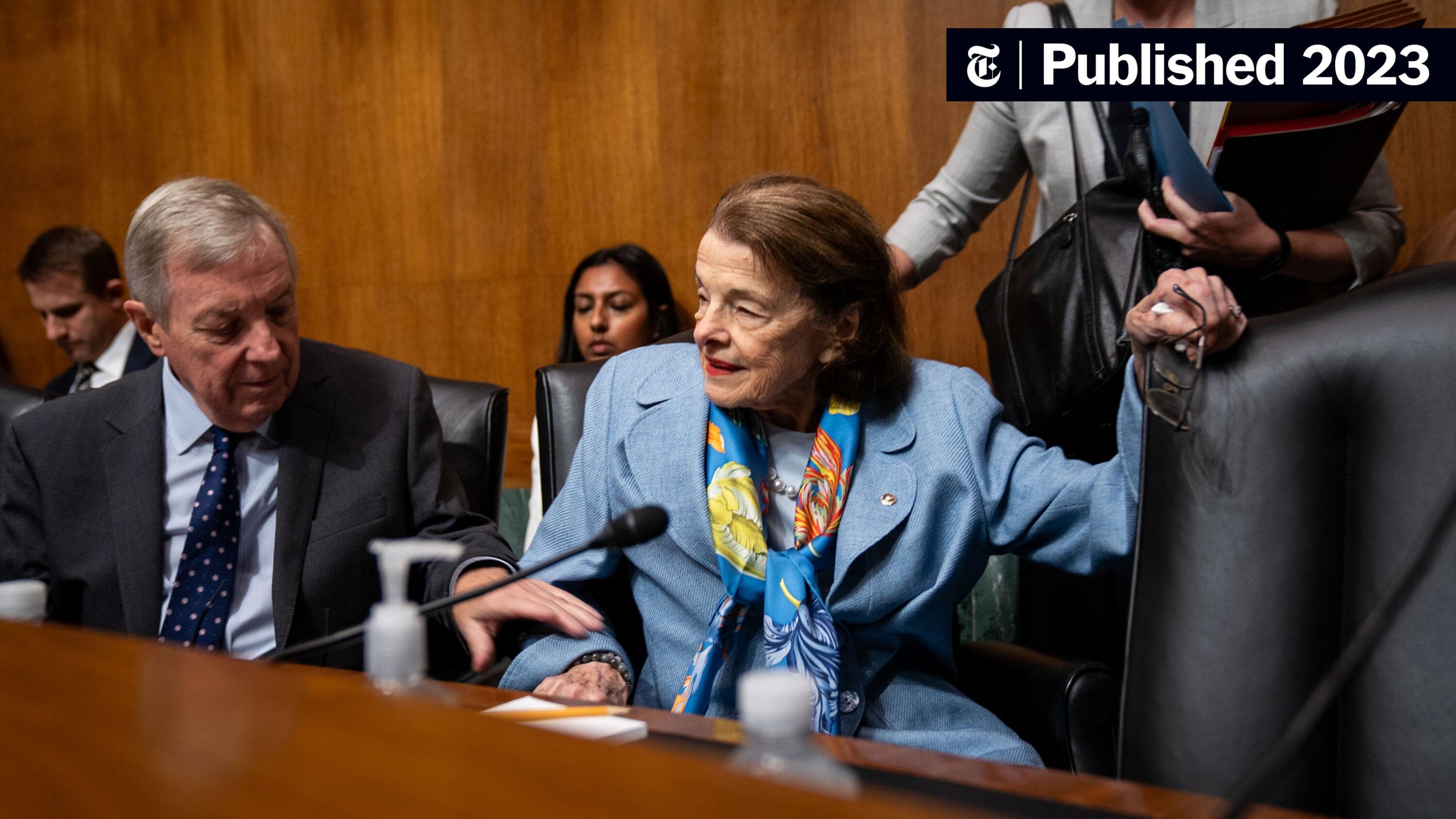
Members of Congress trade stocks of companies they directly regulate, consistently outperforming market averages. Paul Pelosi bought Visa IPO shares while legislation Visa opposed was before the House. He bought $1.95M in Tesla calls the day before Biden's EV announcement, and traded millions in semiconductors days before Congress allocated $52 billion to the industry. The STOCK Act penalty for violations is just $200. No member of Congress has ever been prosecuted under it.
“Members of Congress are engaging in insider trading based on non-public information they receive through their legislative duties, and the STOCK Act is toothless by design.”
From “crazy” to confirmed
The Claim Is Made
This is the moment they called it crazy.
When members of Congress consistently outperform hedge fund managers at the stock market, it's worth asking whether they possess extraordinary investment acumen or extraordinary information. The evidence suggests the latter.
The claim that congressional members trade stocks of companies they directly regulate is not new. What is remarkable is how thoroughly documented it has become, and how little has changed despite decades of public awareness. Nancy and Paul Pelosi's trading records offer the clearest window into this practice.
The Pelosi trades tell a specific story. When Paul Pelosi purchased shares in Visa's initial public offering in 2008, the company was actively lobbying against legislation that would soon be debated in the House Financial Services Committee—a committee his wife chaired. That's not a coincidence that requires explanation; it's a pattern that requires investigation.
But the Visa trade is merely the opening act. When Paul Pelosi bought $1.95 million in Tesla call options the day before President Biden announced a major electric vehicle initiative, the timing becomes difficult to dismiss as luck. These weren't routine investments made after public announcements. They preceded them.
The semiconductor trades offer perhaps the most damning evidence. Days before Congress allocated $52 billion to the semiconductor industry, the Pelosis purchased millions in semiconductor stocks. The legislation didn't suddenly appear. It moves through committees, gets debated, gets signaled. Members of Congress know where the votes are heading before markets do.
When these trading patterns first drew scrutiny, the response from Capitol Hill followed a predictable script: the trades were made by spouses or financial advisors, not the members themselves. The implication was that Nancy Pelosi couldn't be held responsible for her husband's investment decisions. This argument might carry weight if such spectacular timing were rare. It isn't. The pattern is persistent and statistically improbable.
Get the 5 biggest receipts every week, straight to your inbox — plus an exclusive PDF: The Top 10 Conspiracy Theories Proven True in 2025-2026. No spam. No agenda. Just the papers they couldn't hide.
You just read "Members of Congress consistently beat the stock market -- Na…". We send ones like this every week.
No one's said anything yet. Be the first to drop your take.
Congress did pass the STOCK Act in 2012, which theoretically prohibits trading on nonpublic information. But the law contains a enforcement mechanism so weak it borders on theatrical: the maximum penalty is $200. Not per violation. Total. In the years since its passage, no member of Congress has ever been prosecuted under it.
That absence of prosecution tells us something important about how seriously Congress takes its own rules. The law exists to create the appearance of accountability without the substance of it. Members can point to its existence while continuing their practice with minimal risk.
The significance of this claim being verified—even partially—extends beyond the Pelosis. If one member of Congress can time stock trades with improbable precision using information available only to them, how many others are doing the same? The practice becomes less a scandal and more a feature of our financial system.
What this means for public trust is straightforward. When the people who write the rules governing our markets are simultaneously profiting from advance knowledge of those rules, the system loses legitimacy. Investors without access to congressional intelligence can never compete fairly. The ordinary person saving for retirement has no chance.
The real question isn't whether members of Congress have beaten the market. They clearly have. The question is why we've accepted a system where that's legal.
Beat the odds
This had a 0.1% chance of leaking — someone talked anyway.
Conspirators
~50Network
Secret kept
4.9 years
Time to 95% exposure
500+ years