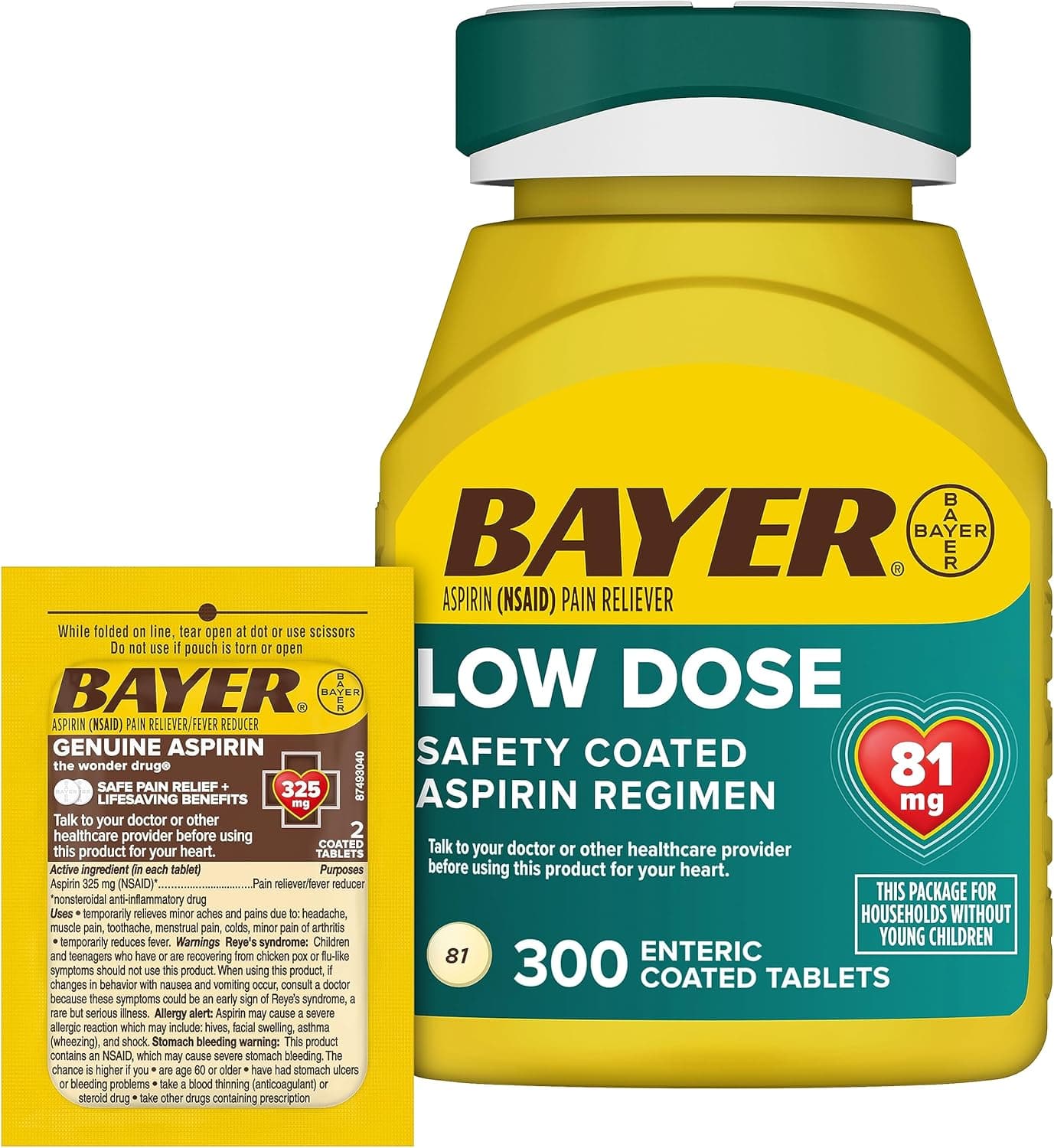
FDA documents show Bayer continued selling Factor VIII blood products contaminated with HIV and hepatitis to overseas markets after pulling them from the US in 1984.
“All Bayer blood products meet the highest safety standards and undergo rigorous testing”
From “crazy” to confirmed
The Claim Is Made
This is the moment they called it crazy.
In 1984, Bayer knew. The pharmaceutical giant possessed internal documents showing that its Factor VIII blood clotting product—essential for hemophiliacs who cannot clot blood naturally—was contaminated with HIV. Rather than destroying the inventory or issuing a broad recall, Bayer made a calculated business decision: pull the product from American shelves where lawsuits loomed, then sell it overseas to countries with weaker regulatory oversight.
This wasn't a case of scientific uncertainty or honest disagreement about risk. Bayer's own files revealed that the company understood the danger. The contamination had already caused documented infections in the United States. American hemophiliacs and their families were suffering and dying. Yet instead of treating this as a public health crisis requiring immediate global action, Bayer's leadership treated it as a logistical problem—one solved by redirecting a liability to foreign markets.
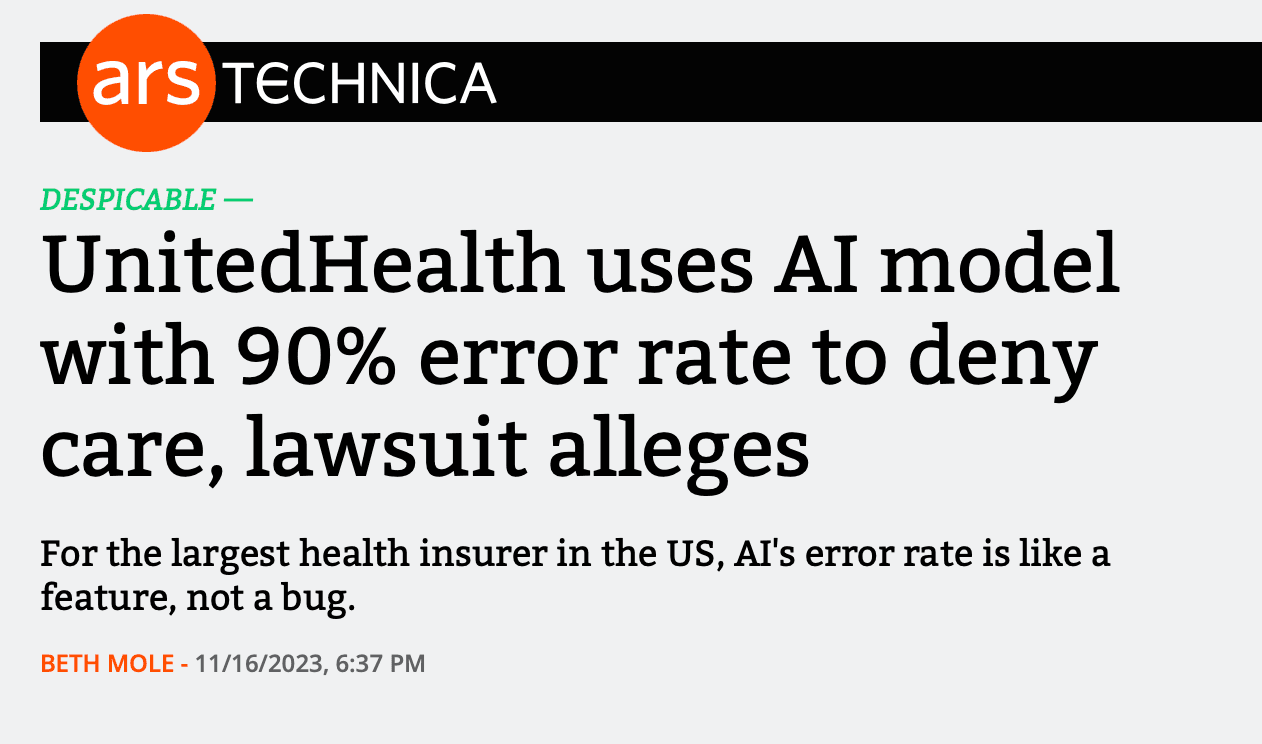
For years, health officials and company representatives insisted the claim was overblown or simply false. They argued that selling discontinued products overseas was standard industry practice, that regulatory requirements differed by country, that Bayer bore no unique responsibility. The company maintained that it had acted appropriately within the legal frameworks of each nation where it operated. These defenses found their way into official statements and regulatory findings that largely shielded the company from accountability.
But the New York Times investigation, building on years of reporting and document analysis, changed that narrative. The newspaper obtained FDA files and company records that made the timeline unmistakable. Bayer had removed Factor VIII from the American market in 1984 specifically because of HIV contamination risks. That same year, the company continued selling the contaminated batches—the exact same products—to countries including France, Germany, Japan, Spain, and Argentina. Internal Bayer communications showed executives were aware of the risks and the geographic strategy.
Get the 5 biggest receipts every week, straight to your inbox — plus an exclusive PDF: The Top 10 Conspiracy Theories Proven True in 2025-2026. No spam. No agenda. Just the papers they couldn't hide.
You just read "Bayer sold HIV-contaminated blood products to hemophiliacs a…". We send ones like this every week.
No one's said anything yet. Be the first to drop your take.
The evidence wasn't circumstantial. It was documentary. Purchase orders matched. Lot numbers aligned. The timing created an unavoidable inference: Bayer had knowingly exposed foreign patients to a virus that causes AIDS, prioritizing profit over human life because those patients had less legal recourse and less political power than American hemophiliacs.
Thousands of people overseas contracted HIV through these blood products. Many died. Many more developed AIDS-related illnesses that devastated their families and communities. France prosecuted executives. Other countries pursued civil litigation. Yet in the United States, the story was often overshadowed or forgotten, buried under layers of regulatory complexity and corporate legal maneuvering.
This case matters because it reveals something essential about institutional trust. When companies have information about danger, when they possess the power to prevent harm, and when they choose profit instead—we deserve to know. We deserve clarity about what happened and why. The claim that Bayer knowingly sold contaminated blood products overseas wasn't conspiracy thinking. It was documented fact, waiting for someone to connect the records and tell the truth.
The question now is whether acknowledging what happened changes anything about how we regulate pharmaceutical companies, how we hold executives accountable, or how we protect vulnerable populations who have the least ability to protect themselves.
Beat the odds
This had a 2.7% chance of leaking — someone talked anyway.
Conspirators
~300Network
Secret kept
23 years
Time to 95% exposure
500+ years