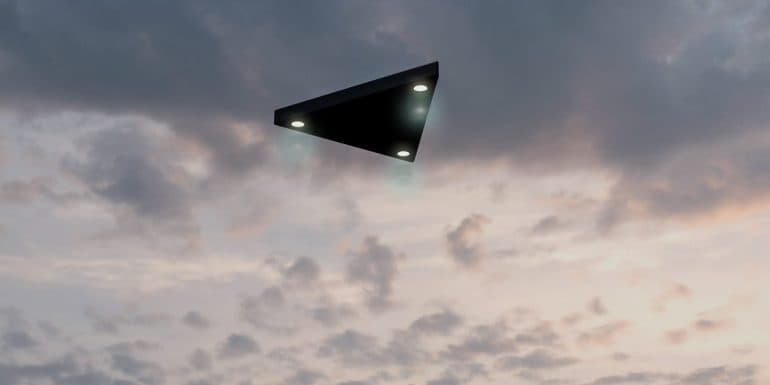
From November 1989 to April 1990, Belgium experienced a wave of triangular UFO sightings witnessed by over 13,500 people, including police officers and military personnel. On March 30, 1990, the Belgian Air Force scrambled two F-16 fighters to intercept an unknown object tracked on radar. The jets reported obtaining radar locks on targets displaying extraordinary capabilities — accelerating from 280 km/h to over 1,800 km/h and dropping altitude from 3,000m to 1,000m in seconds. The Belgian military held an unprecedented press conference acknowledging they could not identify the objects. However, later analysis disputed some radar data, and one famous photo was admitted as a hoax in 2011.
“The Air Force has no explanation for the phenomena observed. The radar recordings show objects performing maneuvers that are beyond our current military capabilities.”
What they said vs. what the evidence shows
“Reanalysis of the F-16 radar data shows that the 'locks' were on each other's aircraft, not anomalous objects. The remaining contacts were caused by atmospheric Bragg scattering.”
— Skeptical investigators / Wim van Utrecht · Jan 1992
SourceFrom “crazy” to confirmed
The Claim Is Made
This is the moment they called it crazy.
When the Belgian Air Force held a press conference in April 1990 to discuss unidentified objects their fighter jets had chased across the country, they didn't offer explanations. They offered questions. This unusual moment—where a NATO military establishment essentially admitted its radar systems and trained pilots had encountered something they couldn't classify—remains one of the most scrutinized episodes in UFO documentation.
The incident began quietly in November 1989. Over the course of five months, more than 13,500 people across Belgium reported seeing large triangular objects moving through the night sky. These weren't fringe reports filed by UFO enthusiasts. Police officers submitted official statements. Military observers logged sightings. The consistency of descriptions—a silent, diamond or triangle-shaped craft, often larger than a football field, moving at varying speeds—created a pattern authorities couldn't ignore.
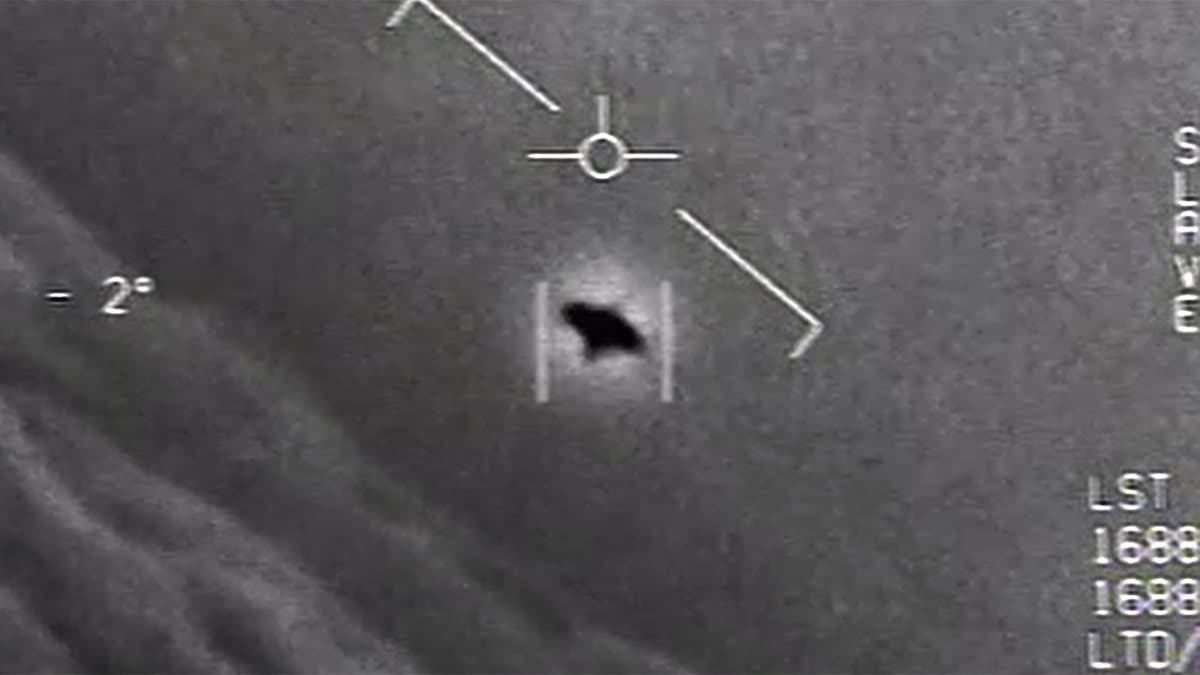
What elevated the wave from widespread sightings to a documented military encounter happened on March 30, 1990. Two F-16 fighters scrambled from Beauvechain Air Base received radar confirmation of an unknown target. The pilots reported obtaining multiple radar locks on an object that accelerated from 280 kilometers per hour to over 1,800 kilometers per hour. The craft reportedly descended from 3,000 meters to 1,000 meters in seconds—maneuvers that would subject human occupants to g-forces considered impossible to survive. Despite these extraordinary readings, the pilots never visually confirmed the target.
When the Belgian Air Force finally went public about what had transpired, Major Michel Lejoly and other officials straightforwardly stated they had no explanation for the radar data or the sightings. This honesty distinguished Belgium's response from the dismissals and ridicule typical of other nations. The military didn't claim weather balloons or aircraft misidentification. They acknowledged the limits of their knowledge.
Get the 5 biggest receipts every week, straight to your inbox — plus an exclusive PDF: The Top 10 Conspiracy Theories Proven True in 2025-2026. No spam. No agenda. Just the papers they couldn't hide.
You just read "A wave of triangular UFO sightings over Belgium in 1989-90 p…". We send ones like this every week.
No one's said anything yet. Be the first to drop your take.
But the claim has always carried complications. Skeptical investigators raised questions about the radar data's reliability—some argued the readings showed equipment malfunction rather than extraordinary aircraft. More damaging, in 2011, one of the most iconic photographs from the wave was revealed as a hoax, a model suspended by fishing line. This admission seemed to validate every dismissal that had preceded it, suggesting the entire episode was explainable after all.
Yet even this hasn't settled the matter. The radar readings from F-16 systems remain on official record. The eyewitness accounts from thousands of observers weren't invalidated by a single fabricated photo. Most importantly, the Belgium wave represents a rare moment when institutional authority refused to simply deny what people had experienced. The military didn't explain it away. They said they didn't know.
What makes this case significant isn't whether triangular craft visited Belgium in 1990. It's that a credible institution encountered a phenomenon beyond its ability to classify and said so publicly. In an era when government responses to unexplained phenomena typically range from silence to systematic denial, that moment of institutional honesty—qualified though it was by subsequent skepticism—revealed something about how institutions handle genuine uncertainty. Whether the truth was finally determined matters less than this: for a brief window, transparency was prioritized over convenient explanation.
Unlikely leak
Only 7% chance this would come out. It did.
Conspirators
~500Large op
Secret kept
36.4 years
Time to 95% exposure
500+ years