Internal tobacco industry documents revealed companies conducted secret research proving smoking caused cancer and addiction while funding fake studies to dispute the science.
“Tobacco executives testified under oath that nicotine was not addictive and no scientific consensus existed linking smoking to disease.”
From “crazy” to confirmed
The Claim Is Made
This is the moment they called it crazy.
For decades, tobacco executives sat in congressional hearings and swore under oath that they did not believe cigarettes caused cancer. They funded research institutes, sponsored scientific conferences, and spent millions on advertising campaigns to promote doubt about the health risks of smoking. The American public, for the most part, believed them—or at least believed there was genuine scientific controversy about whether cigarettes were actually dangerous.
There wasn't. The tobacco industry knew the truth as early as the 1950s.
This wasn't a matter of speculation or hindsight judgment. Internal documents—memos, research findings, and strategic communications that remained hidden for decades—proved that major tobacco companies had conducted their own secret research demonstrating conclusively that smoking caused cancer and that nicotine was addictive. They knew, and they covered it up.
When critics first raised concerns about smoking's health effects in the mid-20th century, tobacco companies responded with a coordinated strategy of denial. In 1954, major cigarette manufacturers issued the "Frank Statement to Cigarette Smokers," a full-page advertisement published in newspapers across the country. The statement acknowledged "recent reports" about health concerns but pledged to support "research into all phases of smoking and health." It was reassuring. It was also calculated deception.
Behind closed doors, the industry was reaching very different conclusions. Documents later revealed through litigation showed that tobacco companies' own scientists had determined smoking caused cancer. The companies knew about the addictive properties of nicotine. Yet rather than disclose these findings, they initiated a sophisticated public relations campaign designed specifically to create doubt and confusion about the science.
Get the 5 biggest receipts every week, straight to your inbox — plus an exclusive PDF: The Top 10 Conspiracy Theories Proven True in 2025-2026. No spam. No agenda. Just the papers they couldn't hide.
You just read "Big Tobacco companies knew cigarettes caused cancer in 1950s…". We send ones like this every week.
No one's said anything yet. Be the first to drop your take.
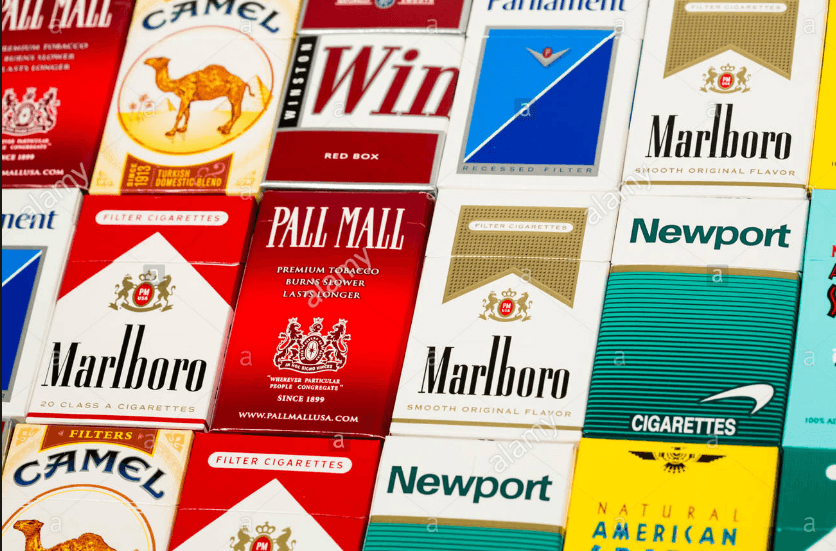
The Tobacco Master Settlement Agreement, reached in 1998 after years of litigation by state attorneys general, forced the industry to release millions of internal documents. What those papers revealed was damning. Companies like Philip Morris, R.J. Reynolds, and Lorillard had deliberately suppressed their own research while simultaneously funding external scientists and research organizations that would produce studies questioning the smoking-cancer link. It was a systematic effort to manufacture scientific uncertainty where none actually existed.
One particularly striking aspect of this deception was its duration. The industry maintained its public stance of doubt from the 1950s through the 1990s—a span of four decades. During those forty years, millions of people continued smoking based partly on the false assurances promoted by tobacco companies. Millions died from smoking-related diseases.
The human cost of this deception cannot be overstated. The industry's strategy directly contributed to prolonged public confusion about a genuinely deadly product. People who might have made different choices—or quit smoking earlier—if they had known the truth continued smoking because major corporations had deliberately lied to them.
This case matters beyond the specific issue of cigarettes. It demonstrated how corporations with sufficient resources and motivation could systematically deceive the public on matters of life and death. It showed that official denials from authority figures could mask knowledge that contradicted those very denials. And it illustrated why internal documents and whistleblower testimony sometimes matter more than public statements.
The tobacco settlement established that what companies claim publicly and what they actually know privately can exist in a vast, fatal distance from one another.
Beat the odds
This had a 1.3% chance of leaking — someone talked anyway.
Conspirators
~100Network
Secret kept
32.1 years
Time to 95% exposure
500+ years