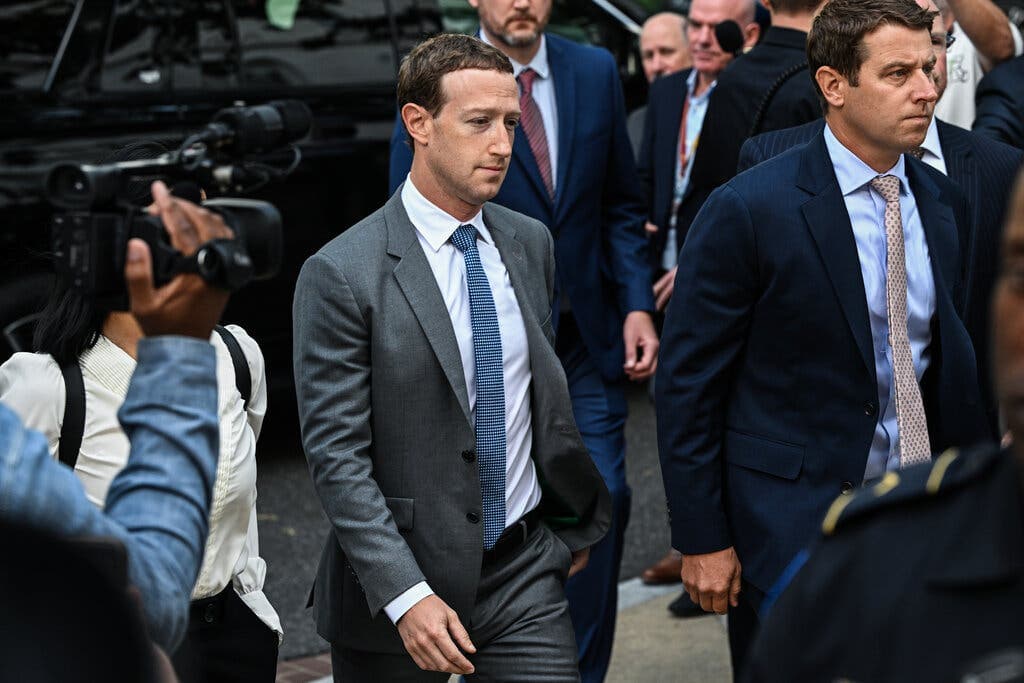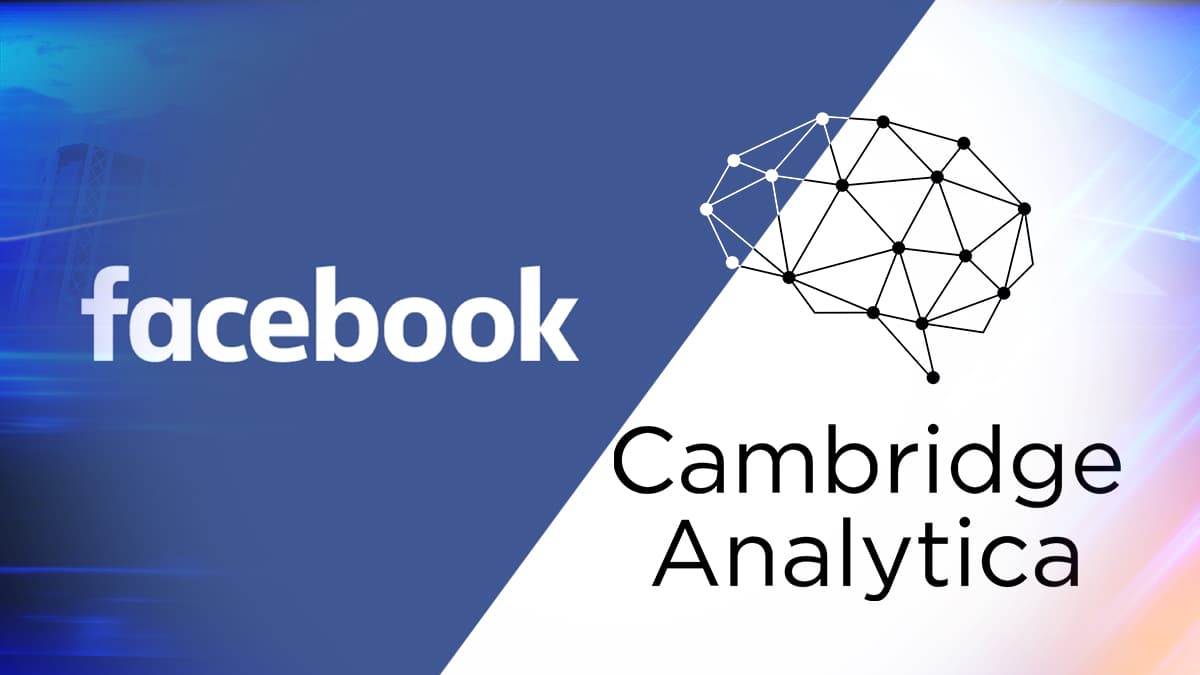
A 2018 investigation revealed that Cambridge Analytica harvested personal data from up to 87 million Facebook users through a personality quiz app, without consent. The data was used to build psychographic profiles for targeted political advertising during the 2016 US presidential campaign. Facebook knew about the data harvesting since 2015 but failed to act. The scandal led to a $5 billion FTC fine — the largest privacy penalty in history — and Zuckerberg's testimony before Congress.
“Facebook data was harvested without consent and weaponized for political manipulation. They built psychological profiles on millions of voters to manipulate their behavior.”
From “crazy” to confirmed
The Claim Is Made
This is the moment they called it crazy.
When a whistleblower first alleged in 2018 that Cambridge Analytica had secretly harvested the personal data of millions of Facebook users, the claim sounded like the kind of tech dystopia that makes headlines but rarely materializes into concrete proof. Yet within months, detailed investigations and internal documents would confirm that the British political consulting firm had done exactly that—accessing psychological profiles of up to 87 million people without their knowledge or consent.
The original allegation came through Christopher Wylie, a former Cambridge Analytica employee who went public with the company's methods. He claimed that the firm had used a personality quiz application on Facebook to systematically collect data on users and their friends, then weaponized that information to build psychographic profiles for targeted political advertising. The 2016 US presidential election was their proving ground.
Facebook's initial response was dismissive. The company claimed it had already addressed the issue when it first learned about the data harvesting in 2015—three years before the public knew anything about it. Mark Zuckerberg and other executives suggested the violation had been contained and remedied. They implied that Wylie's allegations, while containing some truth, were being sensationalized by the media and activists eager to blame tech companies for Trump's election victory.
This defense crumbled quickly. The Guardian's investigation in March 2018 provided documented proof of the scale and sophistication of what Cambridge Analytica had accomplished. The company hadn't just collected basic demographic information; it had harvested data points on personality, political leanings, consumer behavior, and psychological vulnerabilities. Using algorithms derived from academic research, they had built detailed psychographic profiles that allowed them to micro-target voters with precisely calibrated messages designed to exploit individual psychological triggers.
Get the 5 biggest receipts every week, straight to your inbox — plus an exclusive PDF: The Top 10 Conspiracy Theories Proven True in 2025-2026. No spam. No agenda. Just the papers they couldn't hide.
You just read "Cambridge Analytica harvested 87 million Facebook profiles t…". We send ones like this every week.
No one's said anything yet. Be the first to drop your take.
Confirmed: They Were Right
The truth comes out. Officially documented.
Confirmed: They Were Right
The truth comes out. Officially documented.
What made this revelation even more damaging was the timeline. Facebook knew about the breach in 2015 but had taken minimal action. The company's statement to the public had been incomplete and misleading about the extent of the problem. Internal communications later revealed that executives understood the severity far better than their public statements suggested. When the full scope finally emerged, it was clear that not only had Cambridge Analytica violated user privacy on an unprecedented scale, but Facebook had essentially enabled and then concealed the operation.
The consequences were severe enough to be undeniable. In 2019, the Federal Trade Commission fined Facebook $5 billion—the largest privacy penalty in US history at that time. Congressional hearings followed, with Zuckerberg testifying before both the Senate and House about the company's failures. Cambridge Analytica itself folded, though not before the damage had been done.
The broader significance extends beyond one scandal. This case demonstrated how the intersection of behavioral psychology, data harvesting, and political marketing could undermine democratic processes. It showed that tech companies possessed tools of influence that most people didn't understand existed. Most importantly, it revealed that when these companies claimed user data was safe, that claim deserved intense scrutiny.
Today, the Cambridge Analytica scandal stands as the moment when millions of people first grasped what their digital footprints were worth and how they could be weaponized. It shattered the assumption that privacy violations, even massive ones, couldn't happen at this scale. That loss of innocence changed how regulators, users, and even some executives think about social media power.
Beat the odds
This had a 0% chance of leaking — someone talked anyway.
Conspirators
~150Network
Secret kept
0.5 years
Time to 95% exposure
500+ years