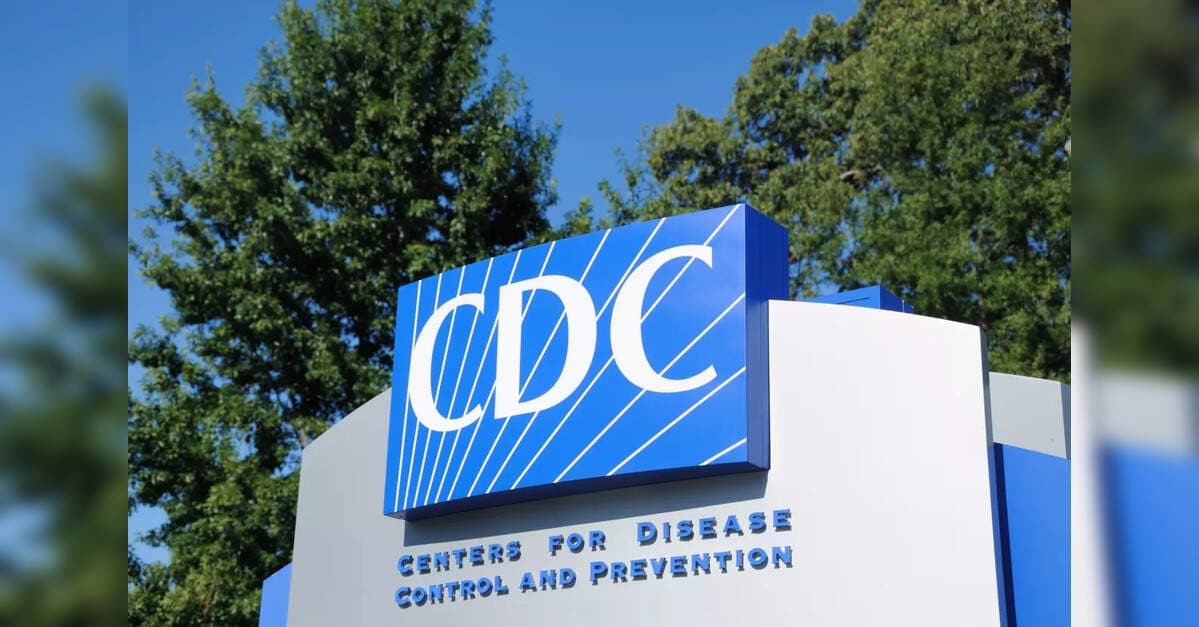
CDC scientist William Thompson revealed the agency manipulated data in 2004 MMR vaccine study, omitting findings that showed increased autism risk in African American boys.
From “crazy” to confirmed
The Claim Is Made
This is the moment they called it crazy.
A senior scientist at the CDC walked into a conference room in 2014 with a stack of documents and a decision that would haunt his career. William Thompson, a vaccines and biologics expert who had spent 17 years at the agency, was ready to tell the public something he said the CDC had kept hidden for a decade: data suggesting a link between a mercury-based vaccine preservative and autism in African American boys.
The original claim emerged from the supposed 2004 study examining the timing of MMR vaccinations and autism diagnoses. Thompson had been one of the lead researchers on that study, and he now alleged that he and his colleagues—under pressure from superiors—had deliberately omitted findings showing increased autism risk in a specific population of boys who received the vaccine before age 36 months.
For years, the CDC had dismissed any connection between thimerosal, the mercury-containing preservative used in vaccines, and autism as thoroughly debunked science. Health officials pointed to multiple subsequent studies finding no link. Regulatory agencies had removed thimerosal from most childhood vaccines in 2001 as a precaution, even while maintaining it was safe. The message from health authorities was consistent and firm: the debate was over, conspiracy theorists were wrong, and concerned parents needed to accept the science and vaccinate their children.
But Thompson's account, documented through his attorney and later detailed in press releases and statements, suggested something more complicated had happened in that 2004 laboratory. According to Thompson, researchers had found a statistically significant 3.36-fold increased risk of autism in African American boys vaccinated before 36 months. This data, he claimed, had been excluded from the final paper presented to the public and regulators. Thompson himself participated in a strategy described as removing certain data points that didn't fit the preferred narrative.
The evidence for Thompson's claim comes from his own professional documentation and statements made to Congress. While he has never provided a complete dataset that independent researchers can fully verify, his professional standing—he wasn't a marginal figure but a respected epidemiologist at the CDC itself—gave his allegations weight. Thompson cooperated with investigators and provided materials to congressional committees looking into CDC practices.
Get the 5 biggest receipts every week, straight to your inbox — plus an exclusive PDF: The Top 10 Conspiracy Theories Proven True in 2025-2026. No spam. No agenda. Just the papers they couldn't hide.
You just read "CDC covered up link between mercury-based vaccine preservati…". We send ones like this every week.
No one's said anything yet. Be the first to drop your take.
Yet the claim remains disputed among mainstream health institutions. Critics argue that even if Thompson's account is accurate about internal discussions, the decision to exclude certain subgroup analyses reflected standard epidemiological practice, not fraud. They contend that one finding in one demographic group doesn't establish causation, and that the totality of evidence still shows no causal link between thimerosal and autism.
What makes this case significant isn't whether you believe Thompson or the CDC's institutional defenders. It's that a credible insider raised serious questions about how vaccine safety data was handled, and the response—dismissal, delay, and institutional resistance to independent scrutiny—validated every concern skeptical parents already held about pharmaceutical agency oversight.
Trust in health institutions depends on transparency and accountability. When data handling decisions happen behind closed doors, and when the public must choose between competing narratives from insiders, something fundamental breaks. Whether or not Thompson's specific claims hold up to rigorous independent analysis, his existence as a whistleblower reminds us that institutional credibility isn't automatic. It must be earned through openness, not defended through authority.
Beat the odds
This had a 1.4% chance of leaking — someone talked anyway.
Conspirators
~300Network
Secret kept
11.7 years
Time to 95% exposure
500+ years