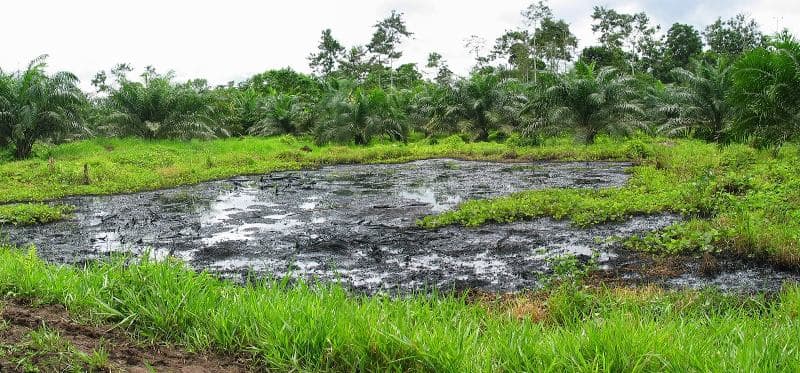
Internal Chevron documents revealed the company knew about widespread oil contamination from its Ecuador operations but covered up environmental damage for decades.
“Chevron claimed it followed all environmental standards in Ecuador and that any contamination was the responsibility of state oil company Petroecuador.”
From “crazy” to confirmed
The Claim Is Made
This is the moment they called it crazy.
For decades, residents of Ecuador's Amazon region reported mysterious illnesses, contaminated water supplies, and environmental devastation linked to oil operations. Local communities and environmental groups claimed that Chevron knew about the damage but deliberately concealed it to avoid liability. When these accusations emerged in lawsuits and investigative reports, the company dismissed them as exaggerated or politically motivated.
Chevron's official position was straightforward: the company had operated responsibly in Ecuador, and any environmental issues were either minimal or had been adequately remediated before the company left the region in 1992. The corporation characterized the claims as part of a coordinated campaign by activists and plaintiffs' lawyers seeking lucrative settlements. They argued that subsequent operators of the Lago Agrio oil field bore responsibility for any remaining contamination.
But internal documents told a different story. Chevron's own environmental assessments, drilling records, and communications revealed that the company had documented extensive contamination from its operations in the Lago Agrio field—one of the largest oil extraction zones in the Ecuadorian Amazon. These materials showed the company was aware of widespread soil and groundwater pollution caused by improper waste disposal, pipeline leaks, and inadequate containment systems.
The evidence demonstrated that Chevron knew about the severity of the damage years before leaving Ecuador. Rather than conducting comprehensive cleanup or fully disclosing the extent of contamination, the company minimized its findings in public statements and regulatory filings. This pattern of awareness followed by concealment is what transforms a simple environmental accident into something far more troubling: deliberate misrepresentation of known facts.
Get the 5 biggest receipts every week, straight to your inbox — plus an exclusive PDF: The Top 10 Conspiracy Theories Proven True in 2025-2026. No spam. No agenda. Just the papers they couldn't hide.
You just read "Chevron covered up massive oil spills and environmental dama…". We send ones like this every week.
No one's said anything yet. Be the first to drop your take.
The significance of these documents extends beyond Ecuador. They revealed how a major multinational corporation could operate in a developing nation, extract valuable resources, acknowledge internally that it was causing serious environmental and public health harm, and then walk away while publicly denying responsibility. The strategy was effective for years because the communities affected had limited resources to challenge Chevron's narrative, and the company's resources vastly exceeded those available to indigenous populations and local governments.
This case matters because it illustrates the relationship between corporate power, information asymmetry, and accountability. Chevron possessed detailed knowledge that residents lacked. The company could shape the narrative through public relations and legal strategy because it had resources that affected communities did not. When evidence finally emerged to contradict the official denials, it confirmed what those communities had been saying all along.
The Lago Agrio case also demonstrates why documentation matters. Claims without evidence remain disputable. But when a company's own records contradict its public statements, the credibility gap becomes impossible to ignore. These internal documents transformed accusations into demonstrable facts.
What this means for public trust is straightforward: when corporations operating in any region claim they've caused no significant harm, and when they dismiss community concerns as overblown or politically motivated, there is reason for skepticism. The burden shifts to them to prove their claims with transparent evidence, not merely deny allegations through carefully worded statements. Until companies demonstrate that kind of openness, the documented history of concealment in cases like Chevron's Ecuador operations will continue to inform how people reasonably interpret their assurances.
Beat the odds
This had a 1.3% chance of leaking — someone talked anyway.
Conspirators
~100Network
Secret kept
33.4 years
Time to 95% exposure
500+ years