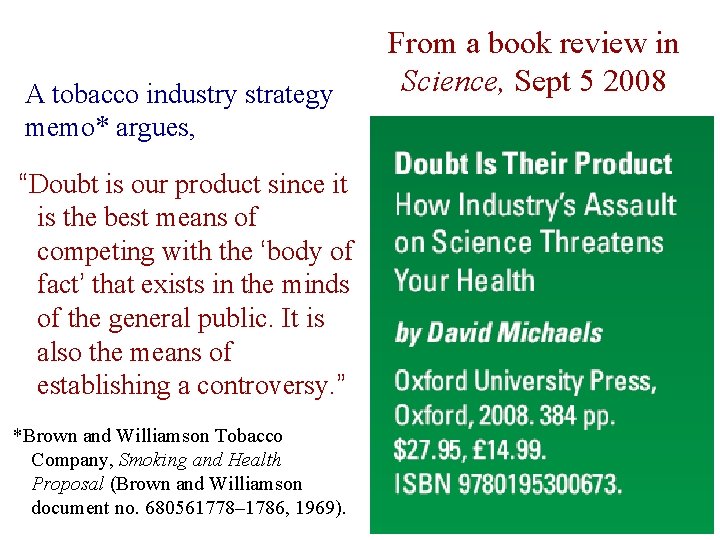
Oil majors knew about climate change in the 1970s. Then they paid to bury it.
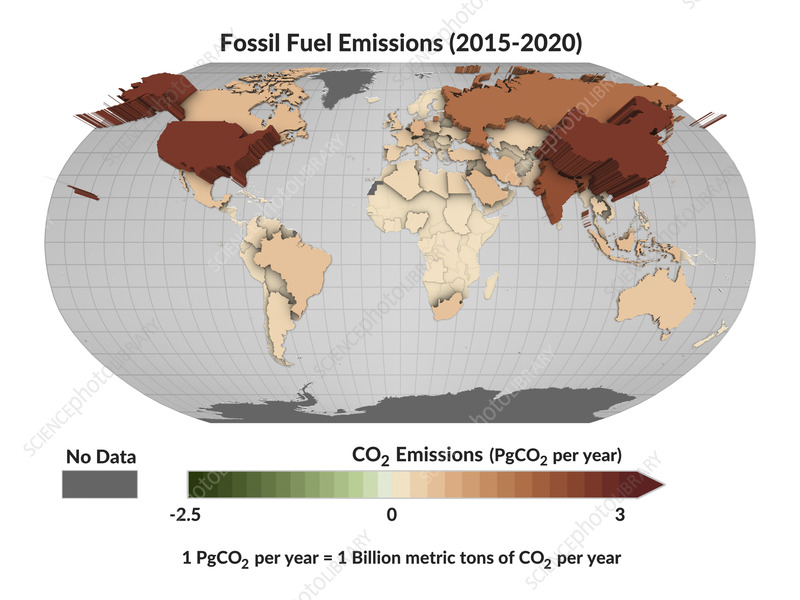
Exxon's own scientists predicted the current climate trajectory in 1977. Internal memos, suppressed research and decades of astroturf denial — this timeline collects every documented receipt of the fossil-fuel industry's manufactured doubt campaign.

In 1953, the CIA (Operation TPAJAX) and MI6 (Operation Boot) orchestrated the overthrow of Iranian PM Mohammad Mossadegh after he nationalized Iran's oil industry. The CIA hired Tehran mobsters to stage pro-Shah riots, bombed a Muslim cleric's house while posing as communists, and bribed journalists and politicians. The coup installed Shah Pahlavi's autocracy for 26 years. The CIA denied involvement for decades until declassifying documents in 2013 and releasing 1,000 pages in 2017 confirming every detail.
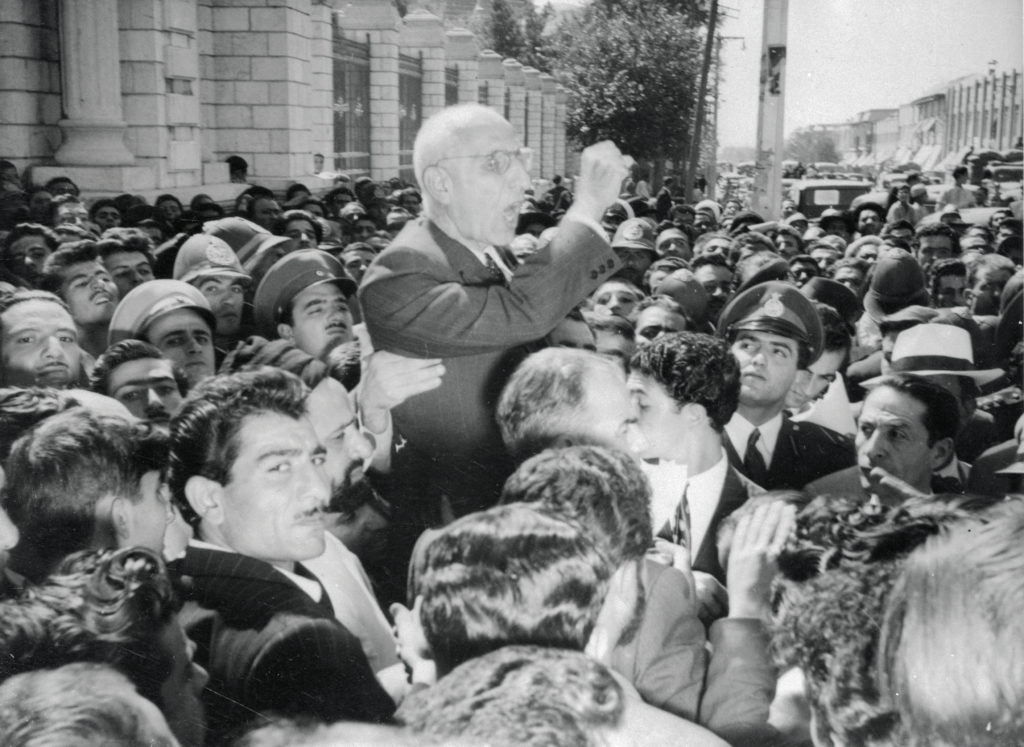
In 1953, the CIA (Operation Ajax) and MI6 (Operation Boot) overthrew Iran's democratically elected PM Mohammad Mosaddegh after he nationalized Iran's oil industry. The coup installed Shah Mohammad Reza Pahlavi as an authoritarian ruler. The US denied involvement for 60 years until the CIA officially acknowledged the coup in declassified documents released in 2013. This event is considered a root cause of the 1979 Iranian Revolution.
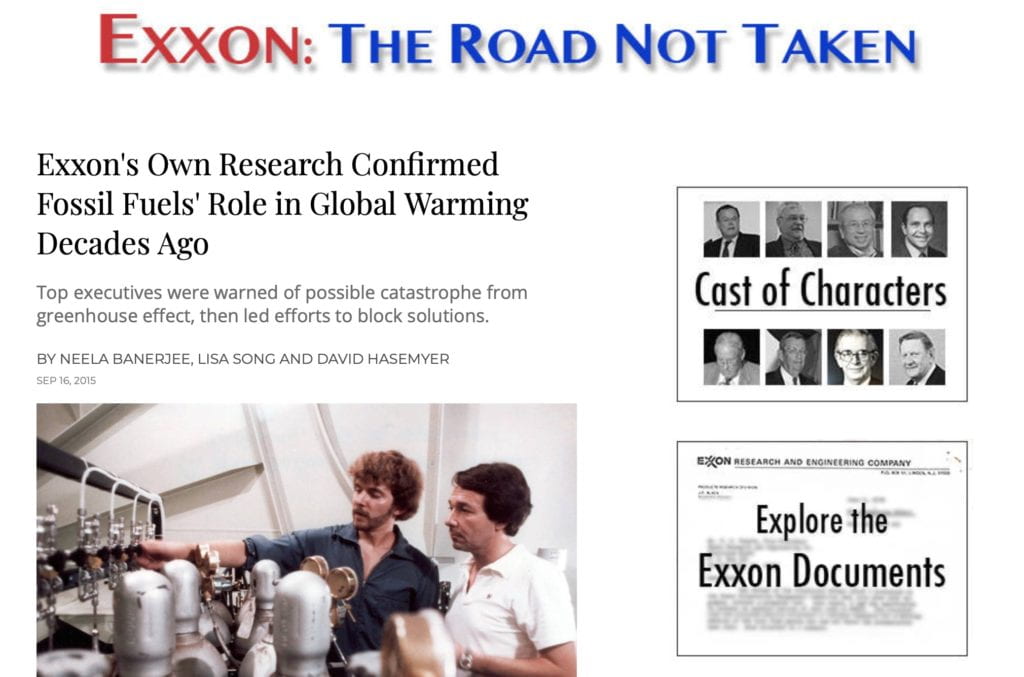
Internal documents revealed that Exxon scientists accurately predicted global warming from CO2 emissions as early as 1977. Despite this knowledge, the company spent millions funding climate change denial organizations.
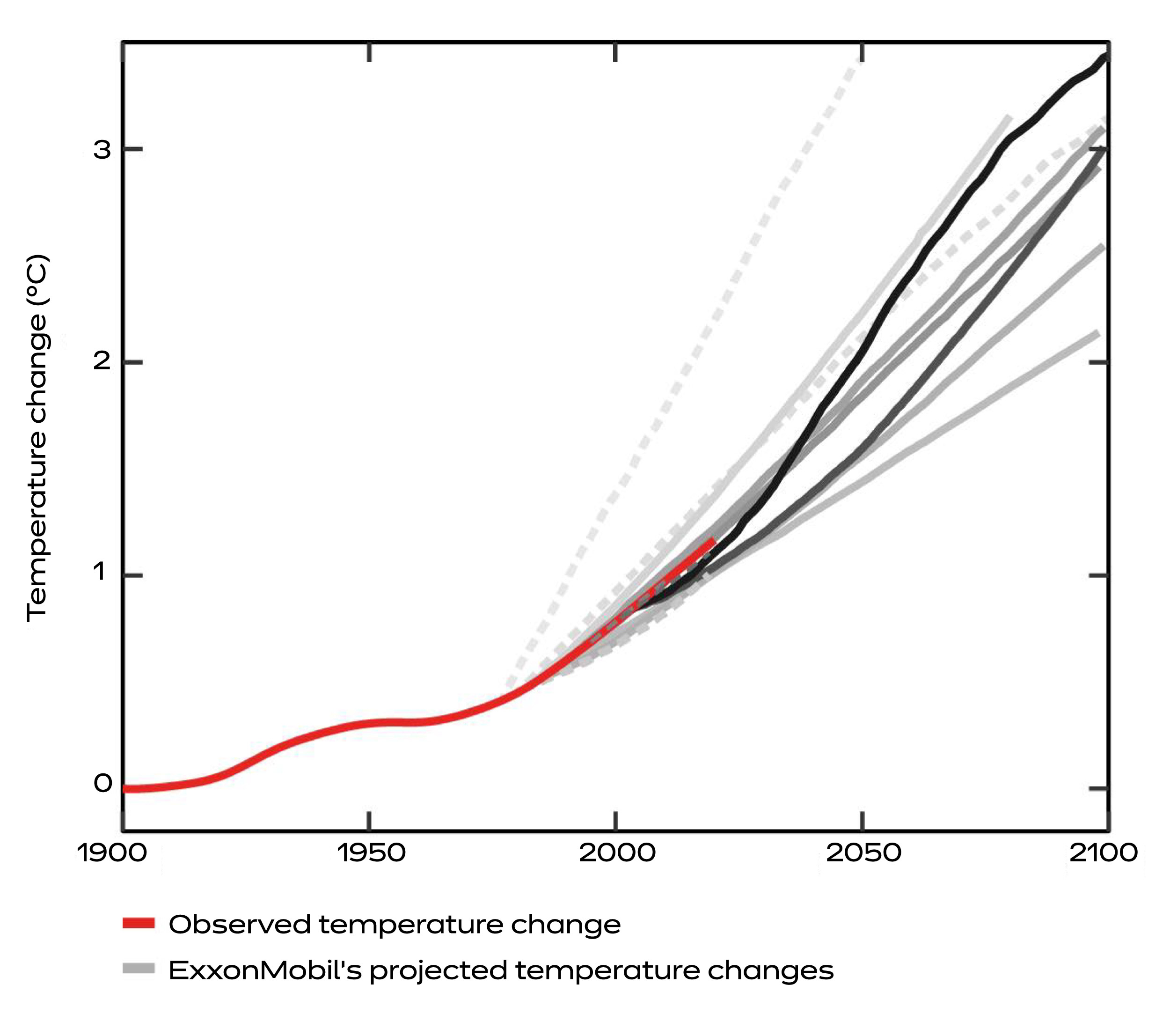
Internal Exxon research from 1977-2003 correctly forecasted global warming effects. The company then spent millions funding climate denial organizations while knowing the science was sound.
Exxon's internal research accurately predicted climate change from 1977-1986. Despite knowing fossil fuels caused warming, the company publicly funded climate denial campaigns.
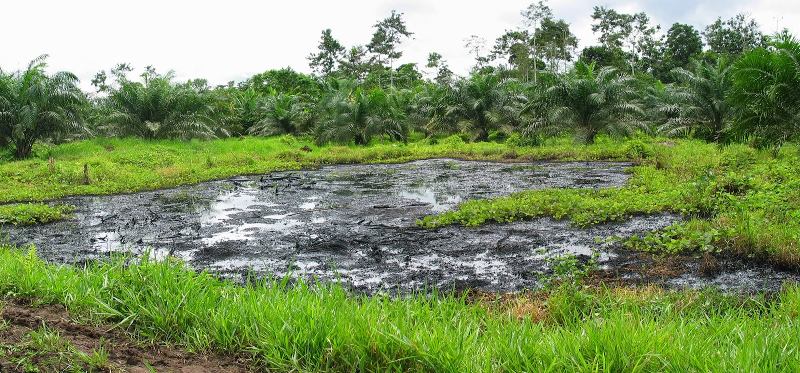
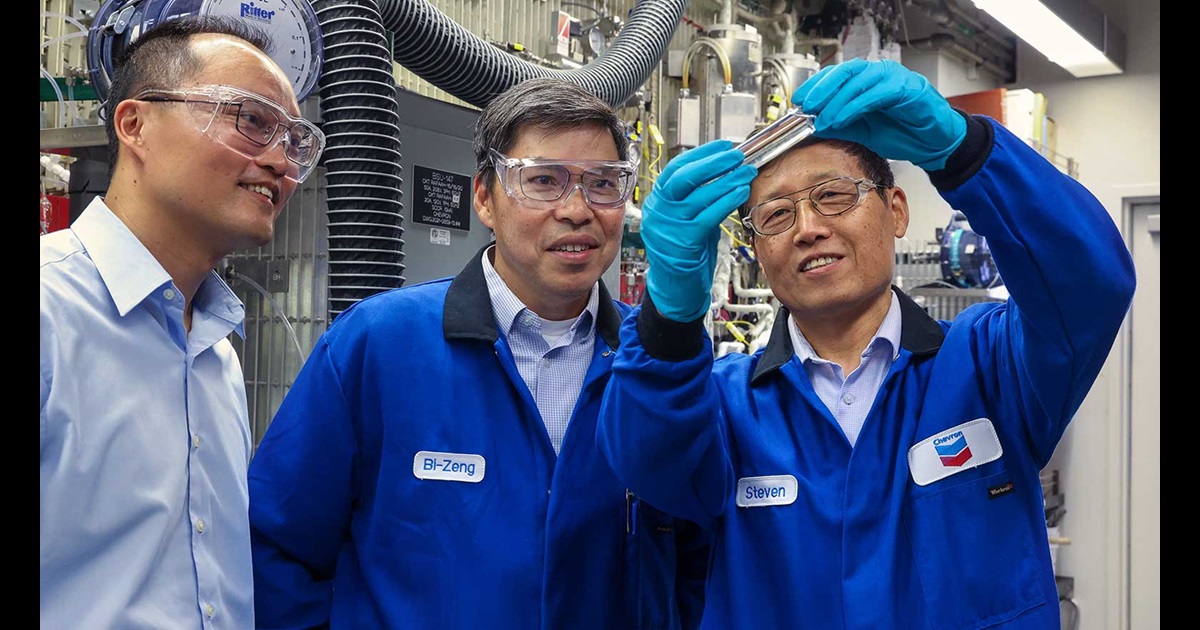
Internal Chevron documents revealed the company knew about widespread oil contamination from its Ecuador operations but covered up environmental damage for decades.
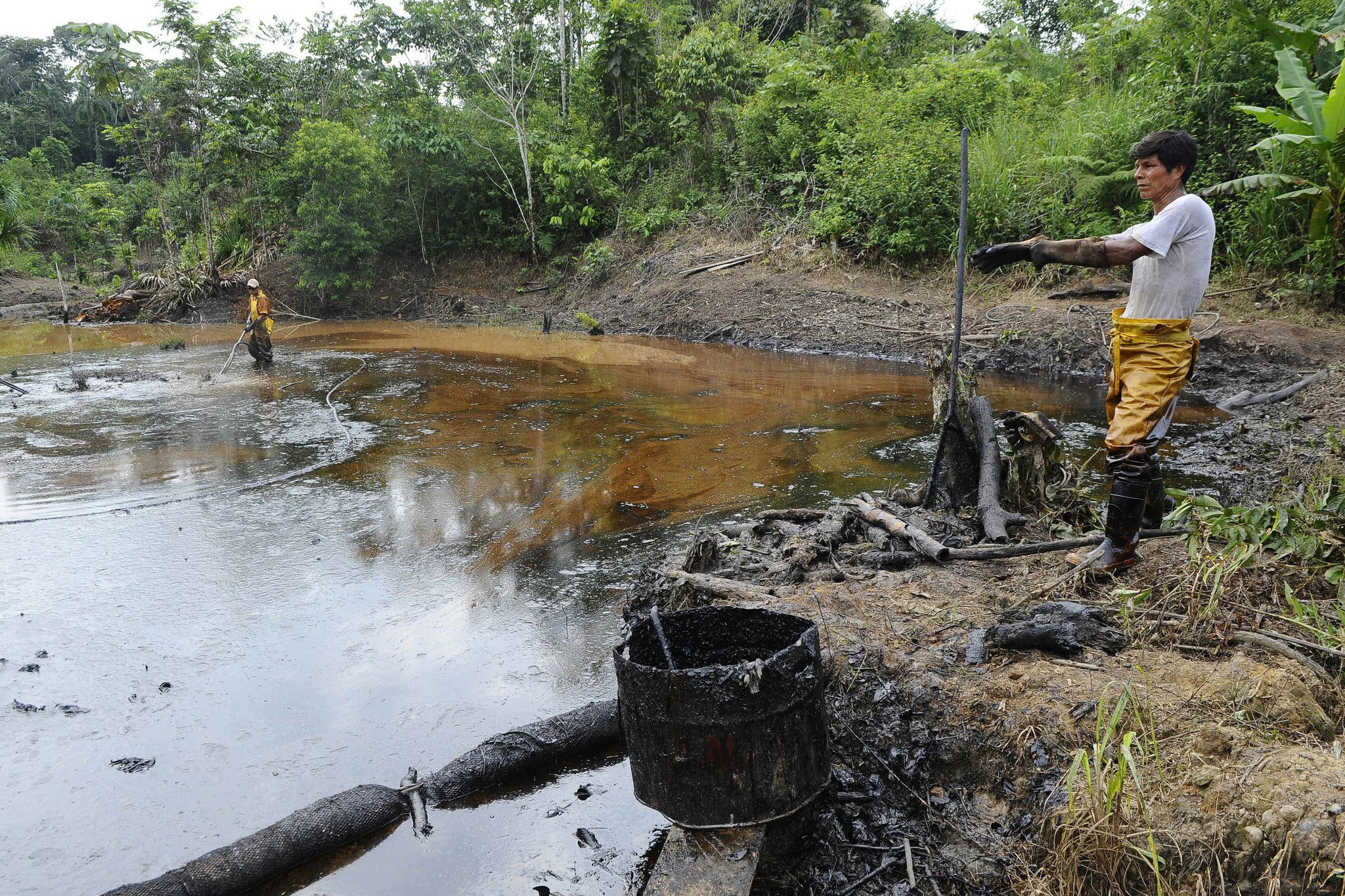
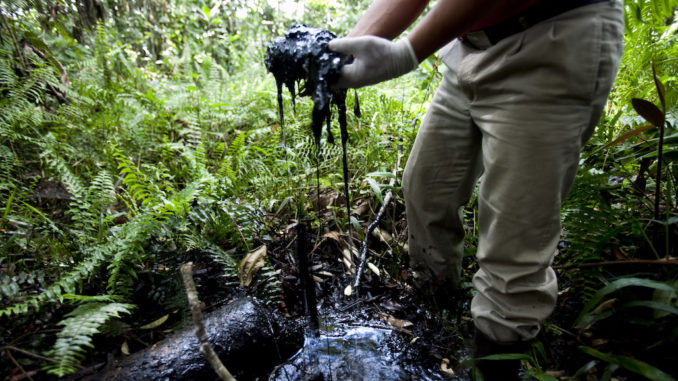
Texaco (acquired by Chevron) dumped 16 billion gallons of toxic waste in Ecuador's rainforest from 1964-1990. Company denied responsibility while internal documents showed awareness of contamination.
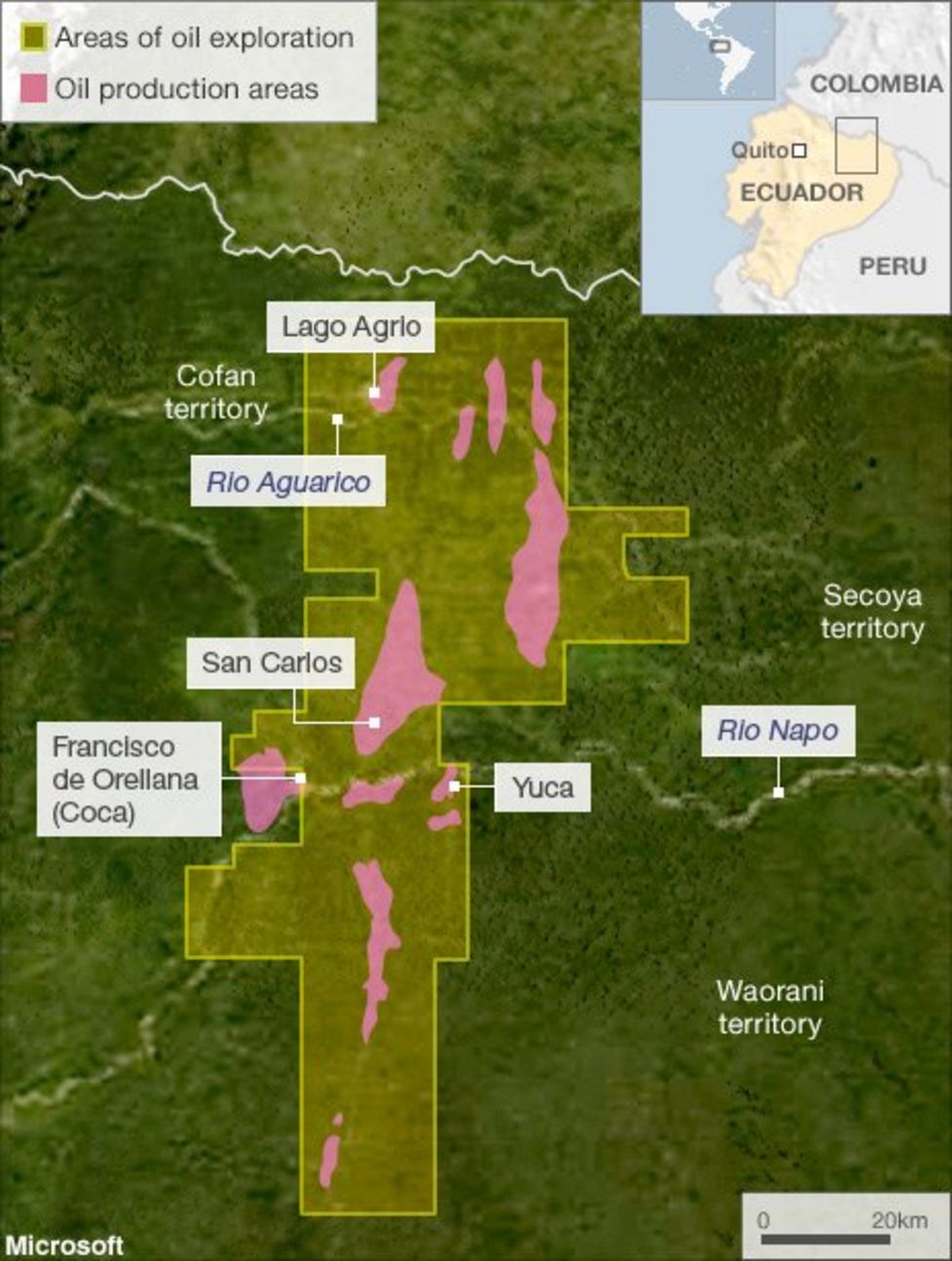
From 1964-1992, Texaco (later Chevron) dumped 18 billion gallons of toxic wastewater in Ecuador's Amazon while denying environmental damage that contaminated indigenous communities' water supplies.
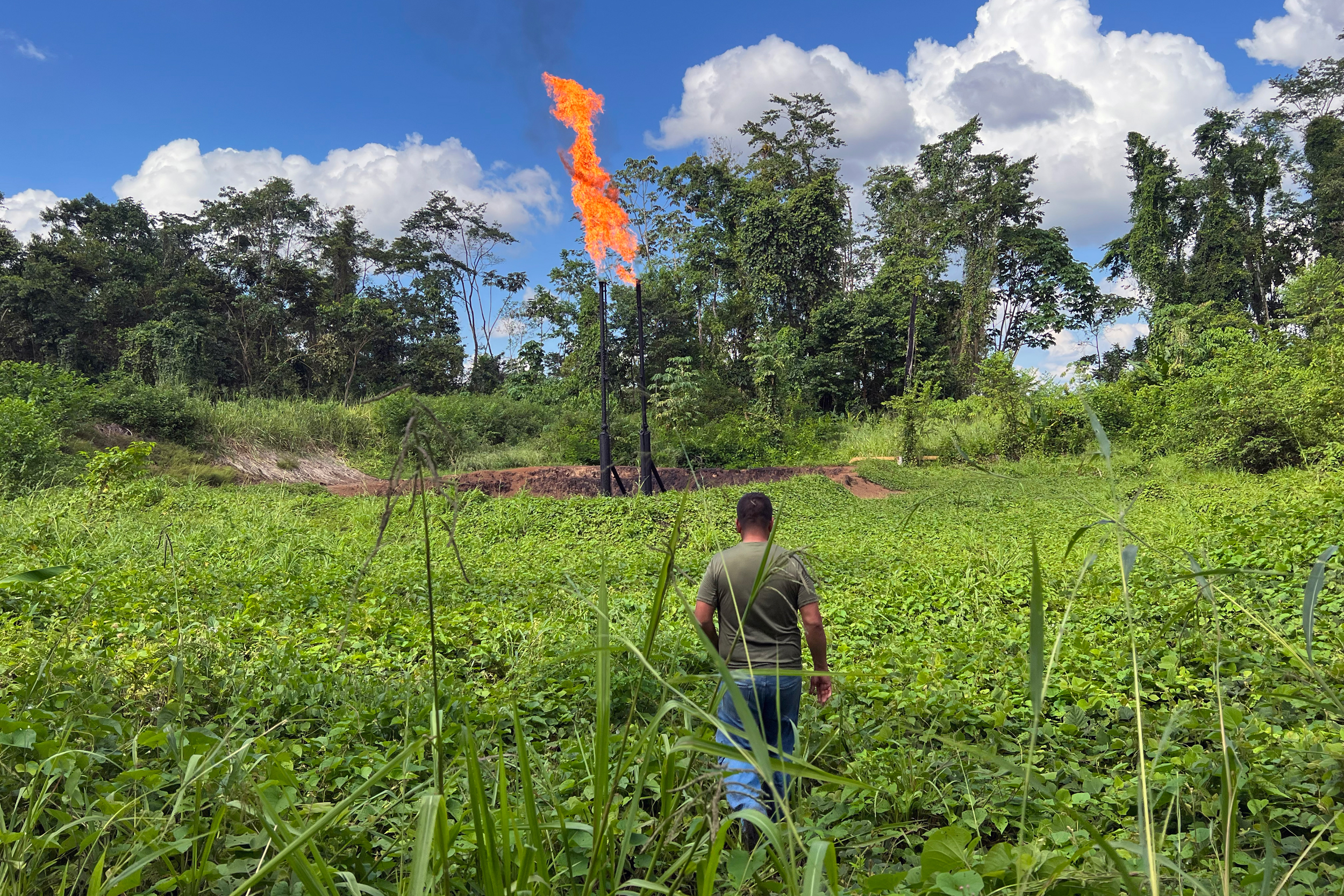
From 1964-1992, Texaco (later acquired by Chevron) dumped approximately 16 billion gallons of toxic wastewater and 17 million gallons of crude oil into the Ecuadorian Amazon. Local communities suffered dramatically increased cancer rates. An Ecuadorian court ordered Chevron to pay $9.5 billion, but Chevron refused to pay and instead pursued a RICO case against attorney Steven Donziger, who was disbarred and placed under house arrest for over two years in an unprecedented legal campaign.
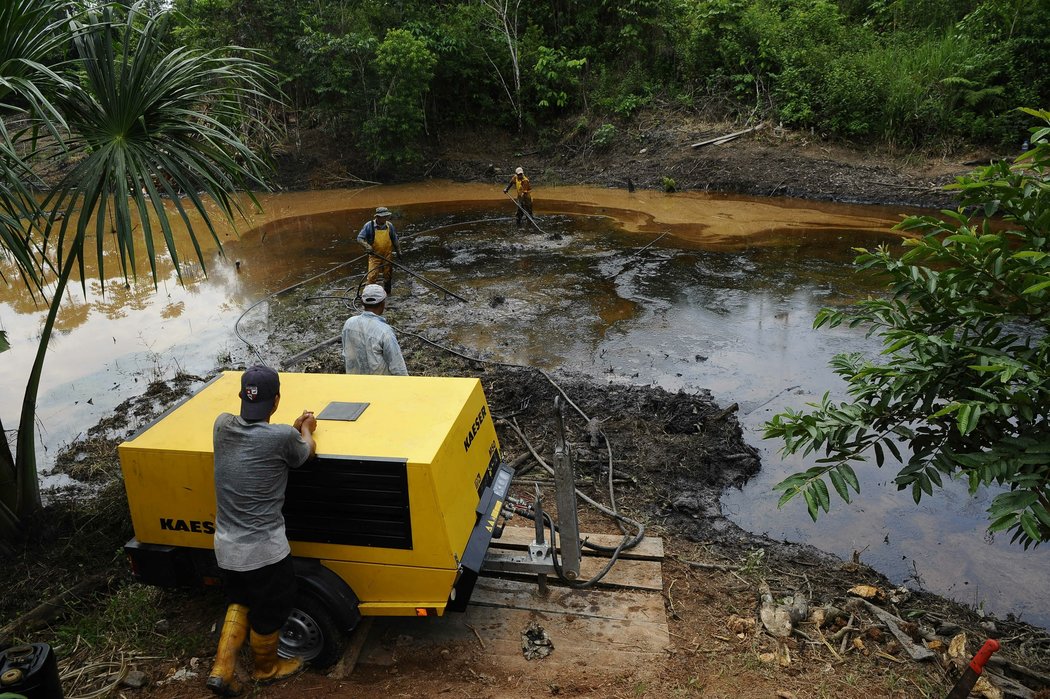
From 1964 to 1992, Texaco (now Chevron) dumped approximately 16 billion gallons of toxic wastewater and 17 million gallons of crude oil into Ecuador's Amazon, contaminating water for 30,000 indigenous people. Attorney Steven Donziger won a $9.5 billion judgment. Chevron refused to pay and launched a legal war — getting Donziger disbarred and jailed using a private prosecutor (after the federal prosecutor declined). Donziger spent 993 days in detention. Amnesty International and 68 Nobel laureates called his treatment a human rights violation.
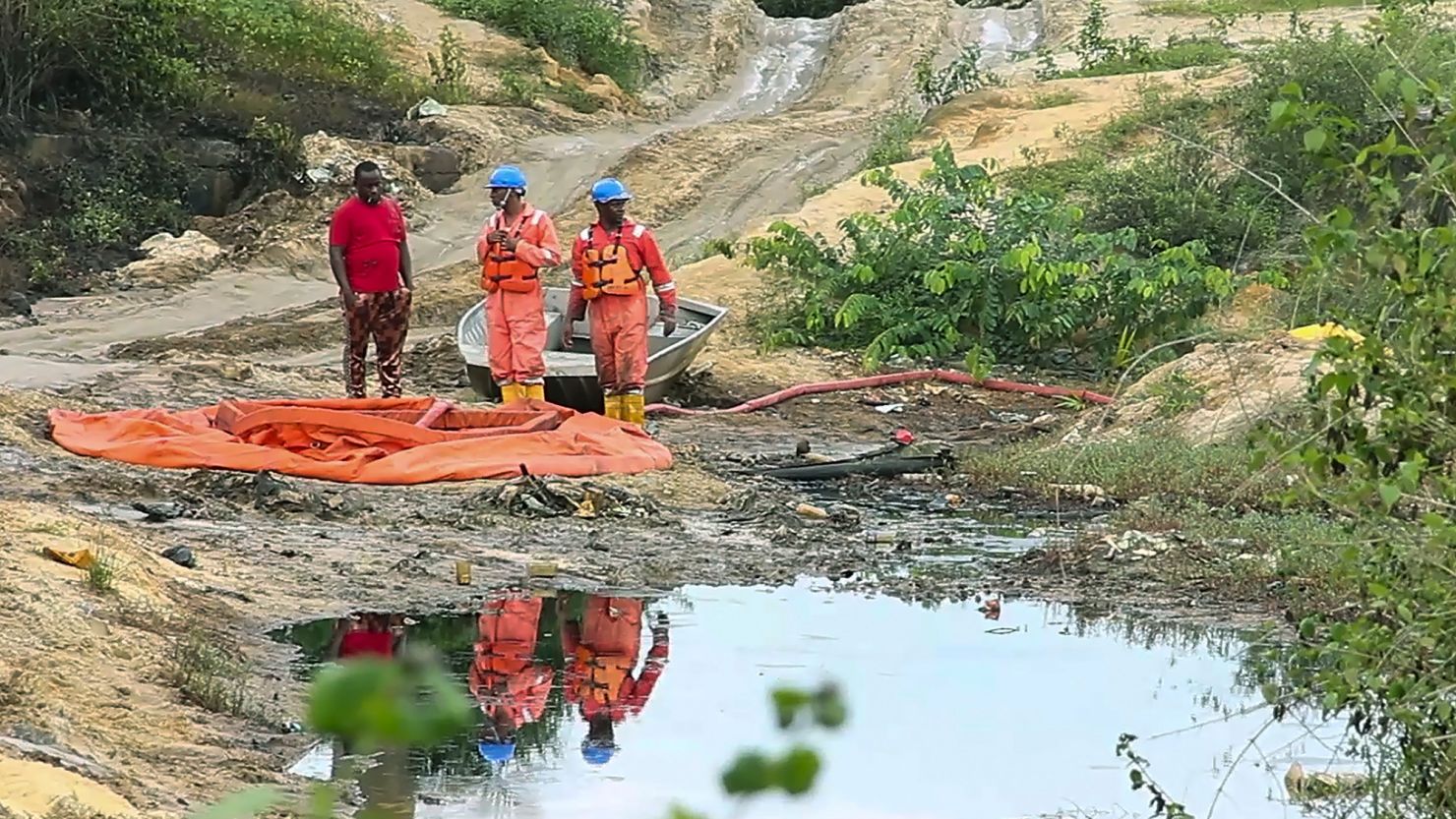
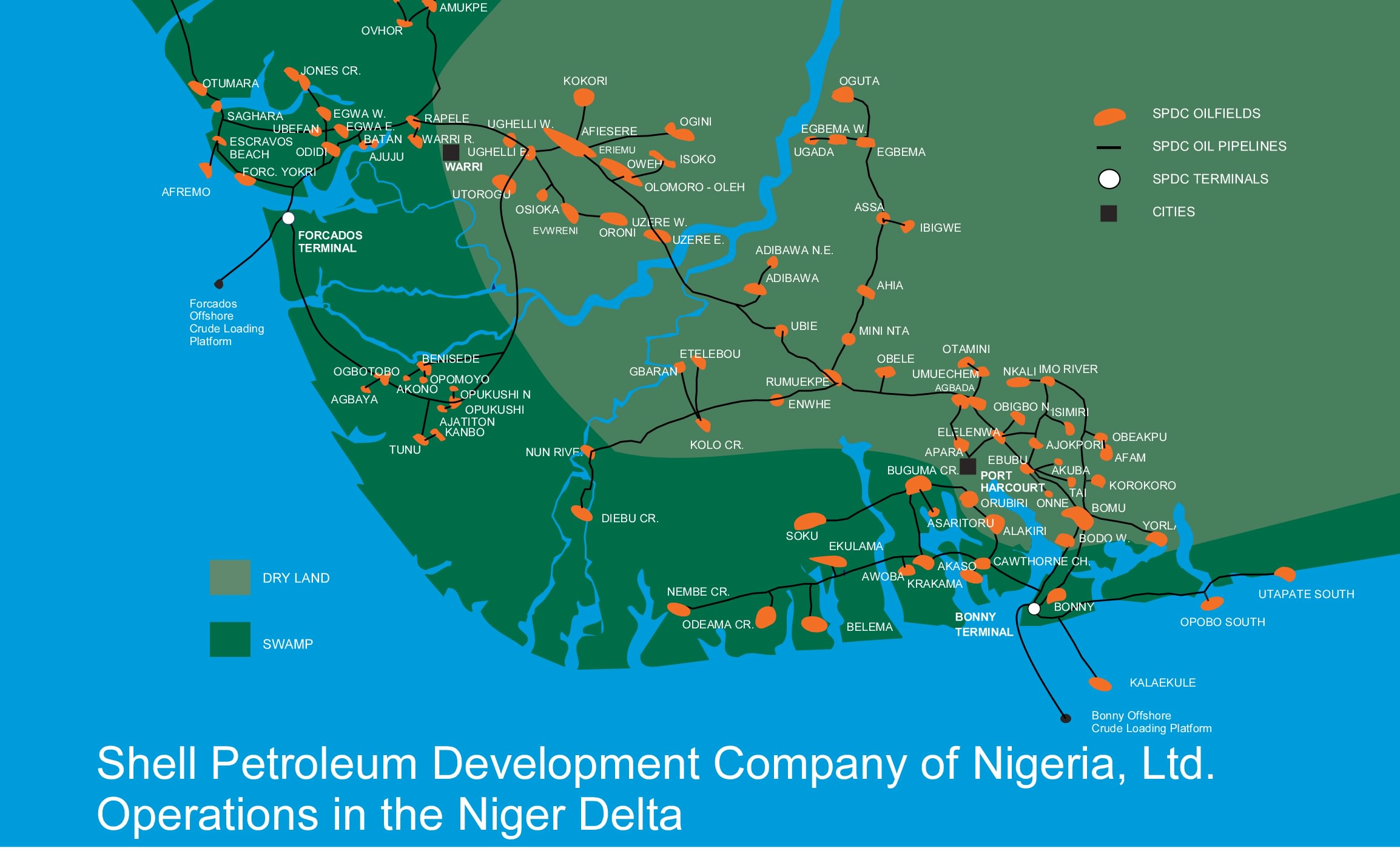
Leaked Shell documents from 1990s-2000s revealed the company systematically underreported oil spills in Nigeria's Niger Delta while publicly blaming sabotage for environmental contamination affecting local communities.
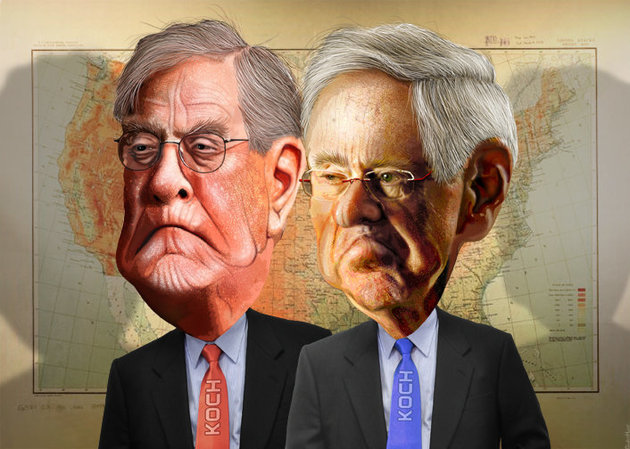
Between 1997 and 2018, the Koch brothers gave over $145 million to climate-change-denying think tanks and advocacy groups including the Heartland Institute, Americans for Prosperity, and the Cato Institute. A Drexel University study found the majority of climate denial funding was 'dark money' using organizations with 'ambiguous names' to 'obscure the true agenda.' Koch Industries was the number one producer of toxic waste in the US by 2012 and paid a $35 million penalty for 300 oil spills. When Koch-funded academics accepted climate science, the brothers dropped them.
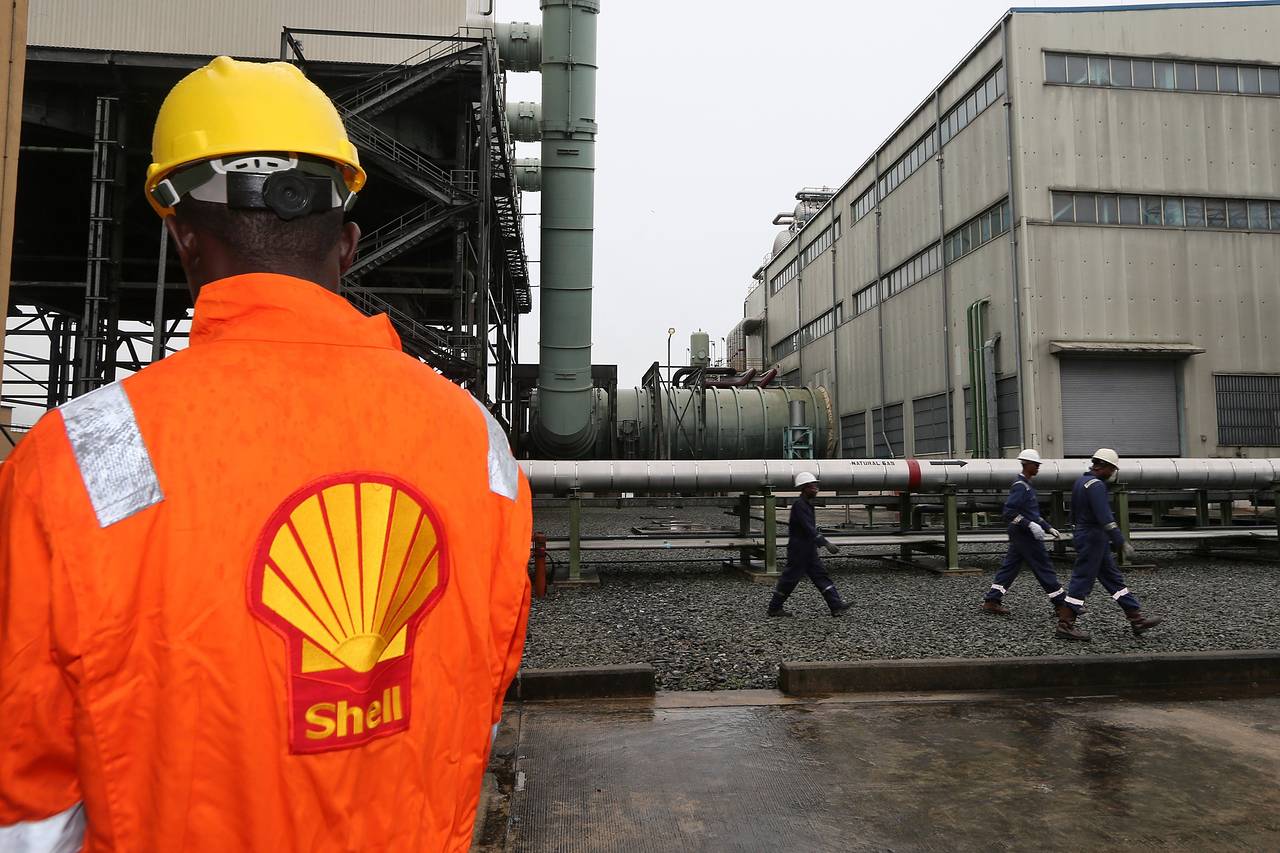
Leaked Shell documents from 2009 showed company knew Nigerian pipelines were severely corroded but didn't inform government to avoid costly repairs.
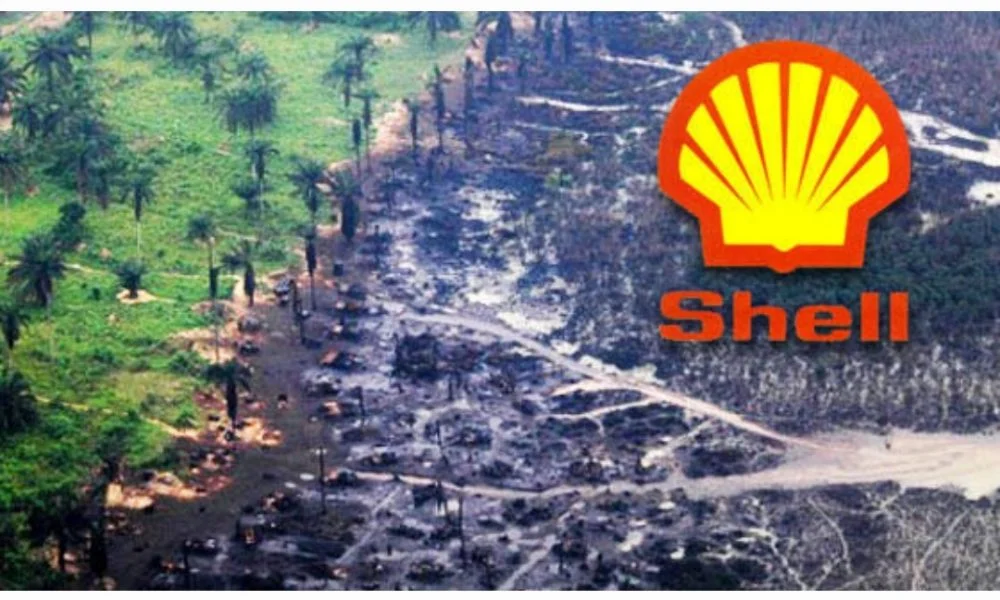
Leaked Shell documents revealed the company was aware of extensive pipeline leaks and environmental destruction in Nigeria's Niger Delta but publicly blamed sabotage. Internal reports documented ecosystem damage.
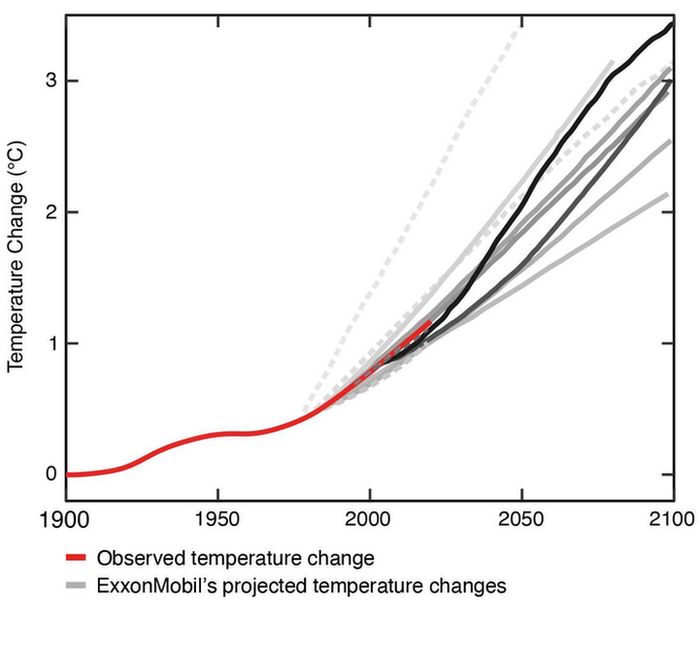
A Harvard-led analysis published in Science found that between 1977 and 2003, Exxon scientists' global warming projections were 'shocking' in their accuracy: 63-83% of projections matched actual temperatures, with the best scoring 99%. For comparison, James Hansen's famous 1988 NASA testimony scored 38-66%. Exxon correctly predicted warming of ~0.2C per decade, that human-caused warming would be detectable by 2000 (plus or minus 5 years), and dismissed the possibility of a coming ice age. Despite this, Exxon publicly took out ads claiming climate science was 'poorly understood.'
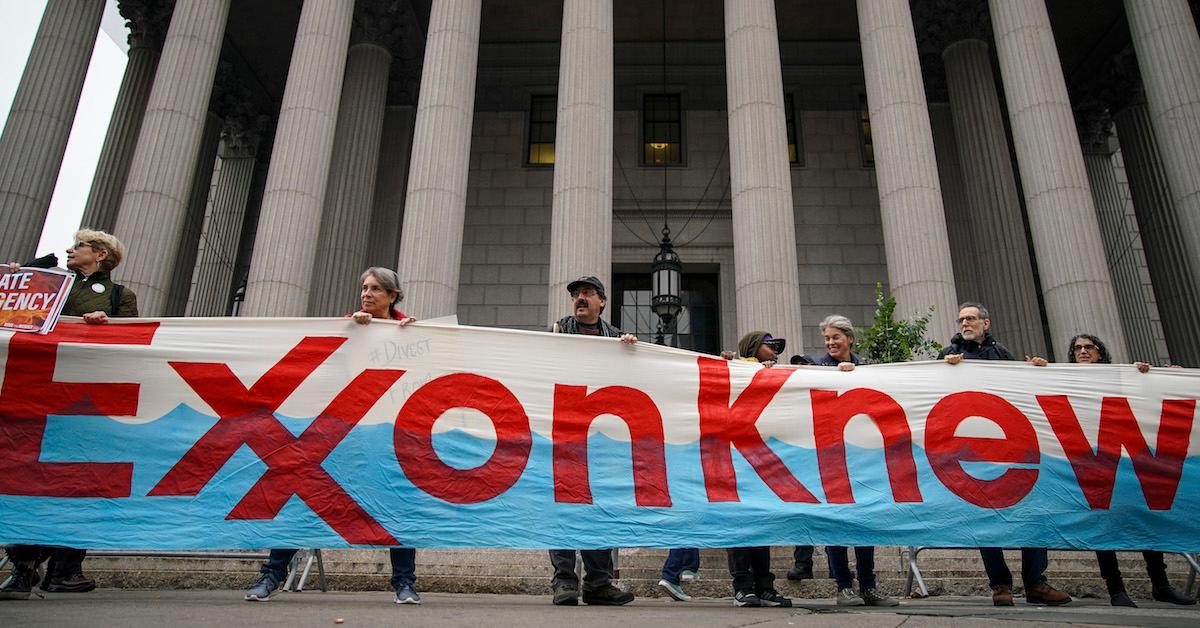
Internal Exxon documents revealed the company's scientists accurately predicted climate change impacts in the 1970s-80s while publicly funding climate denial campaigns. Company memos showed detailed climate modeling and risk assessments.
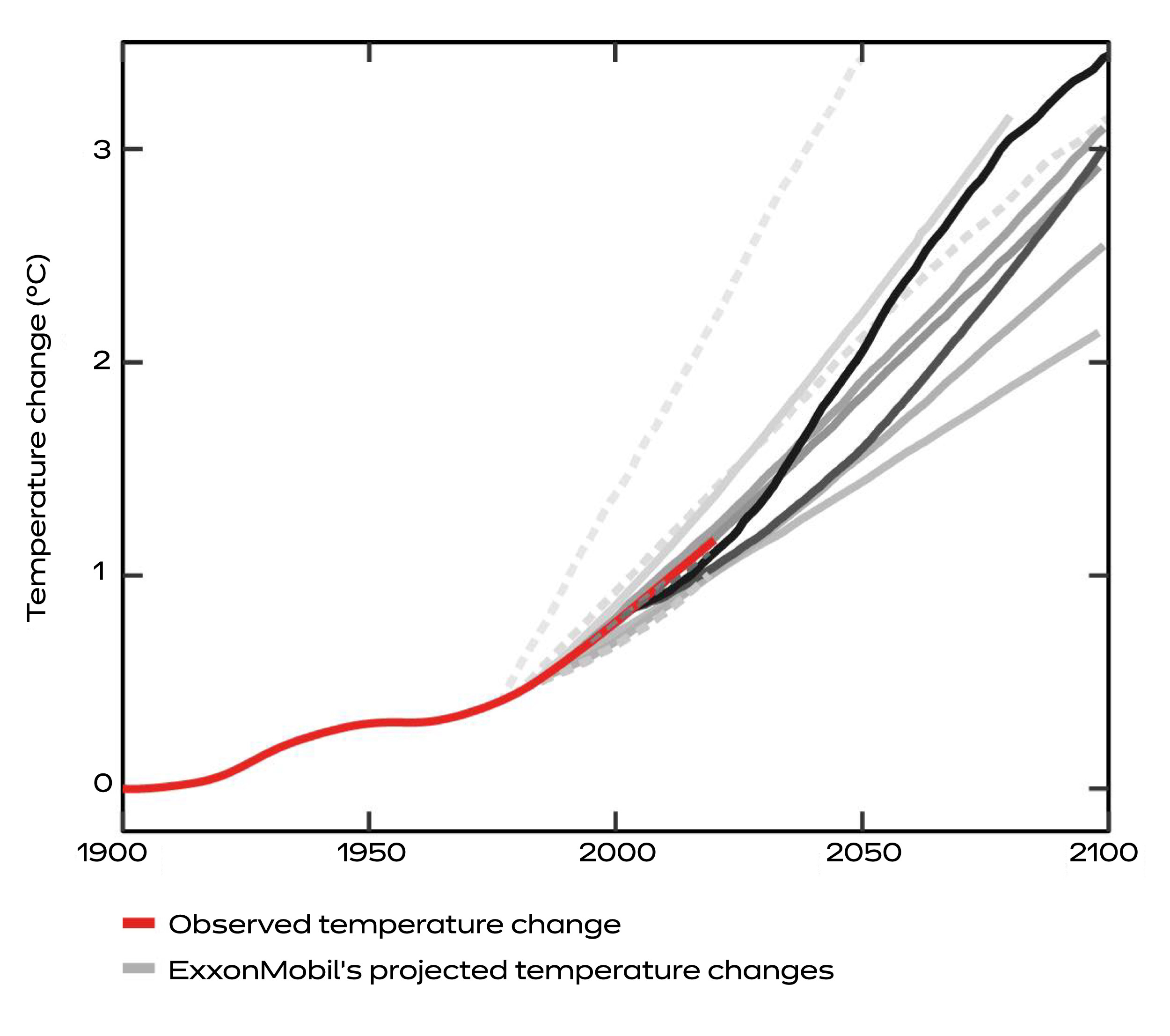
Leaked internal Exxon documents from the 1970s-80s show company scientists correctly predicted climate change effects decades before Exxon publicly denied global warming science.
Internal Exxon documents from 1977-2003 showed company scientists accurately predicted global warming. Despite this knowledge, Exxon publicly disputed climate science and funded organizations spreading climate denial.
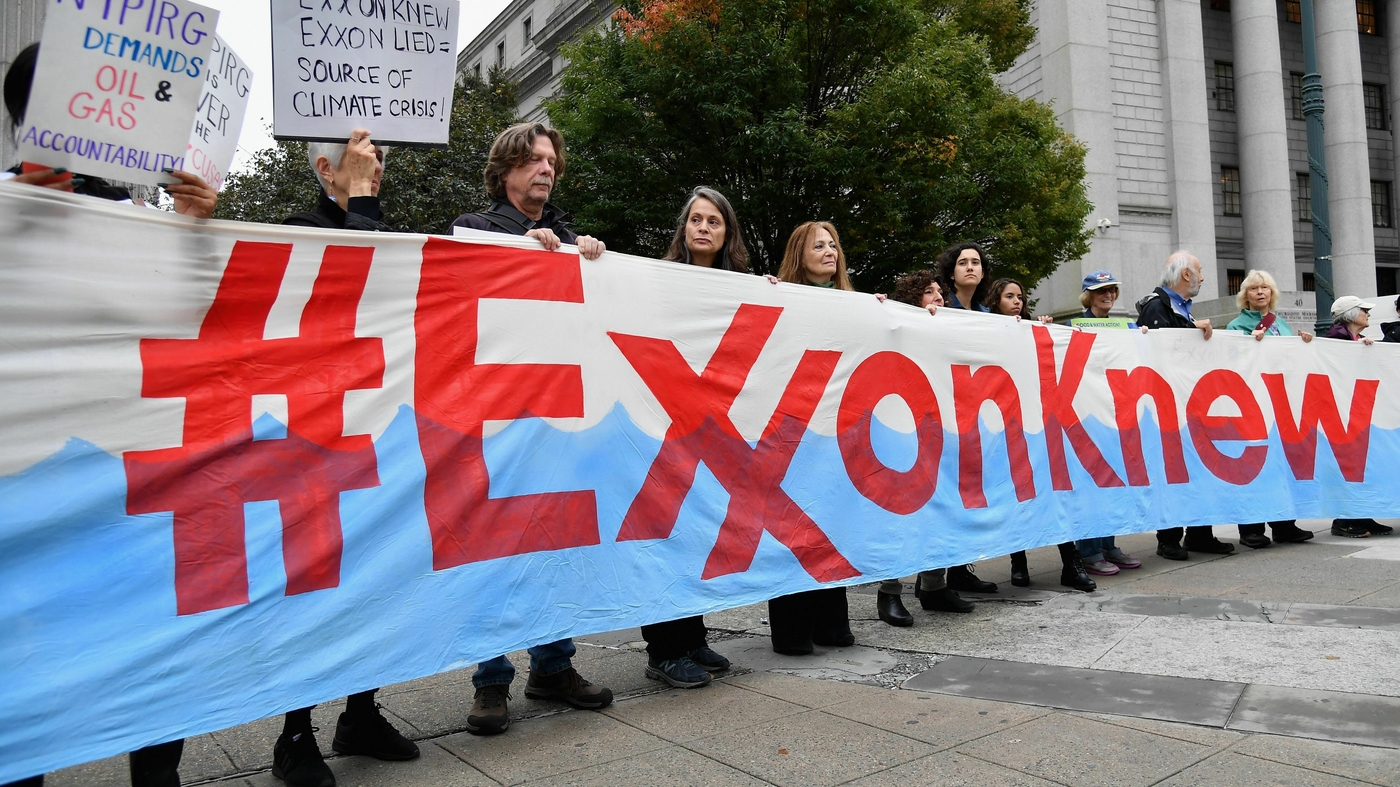
Internal Exxon research from the 1970s accurately predicted global warming from fossil fuels. The company then spent millions funding climate denial organizations.
Internal ExxonMobil research from the 1970s-80s correctly predicted global warming, while the company publicly funded climate change denial for decades.
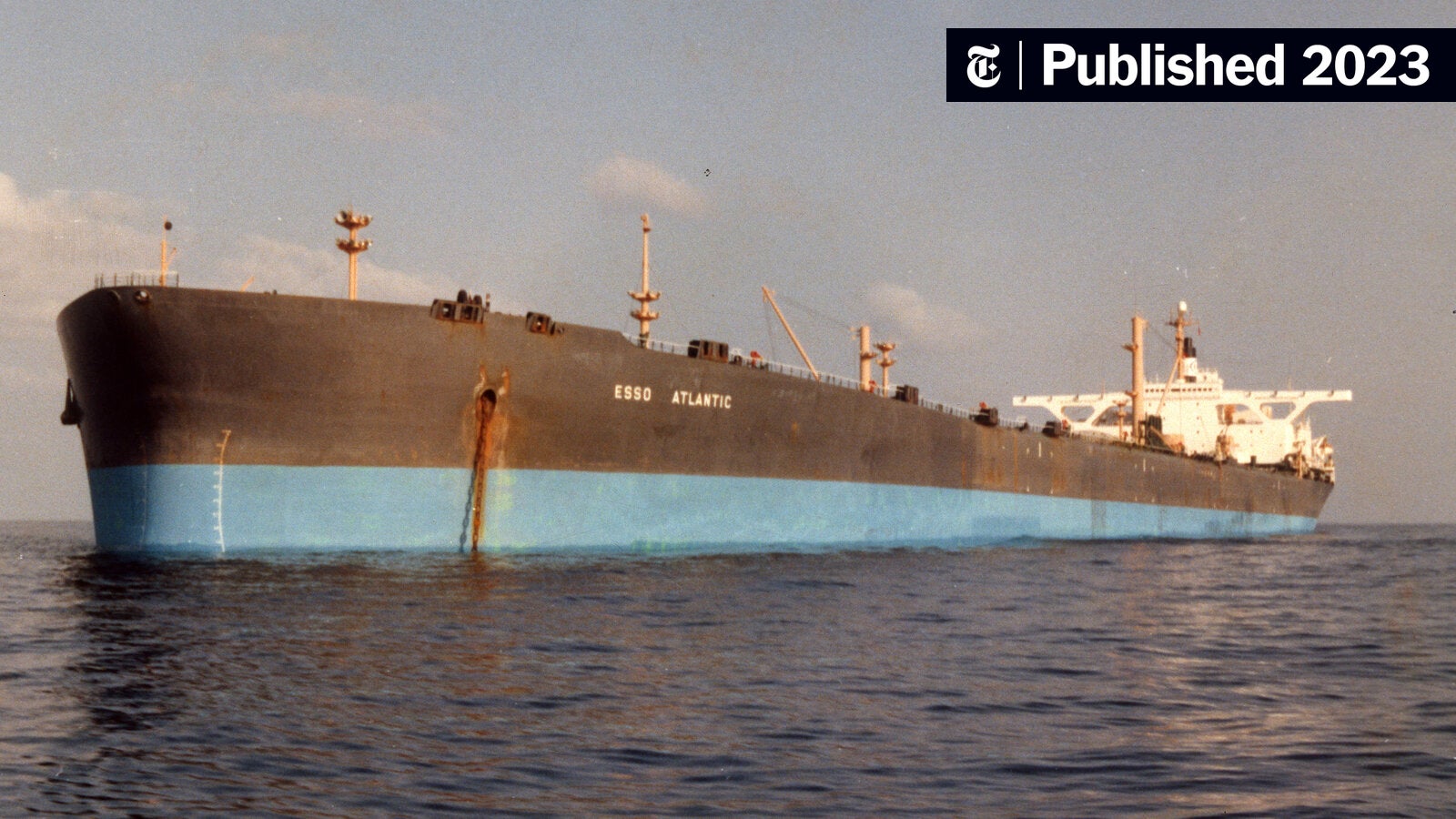
Internal Exxon research from the 1970s-80s correctly predicted climate change from fossil fuels, but the company publicly funded climate denial campaigns instead.

The seed oil industry promoted vegetable oils as heart-healthy alternatives while evidence mounted that high omega-6 consumption drives chronic inflammation. Johns Hopkins and multiple peer-reviewed studies now document the health effects the industry downplayed.
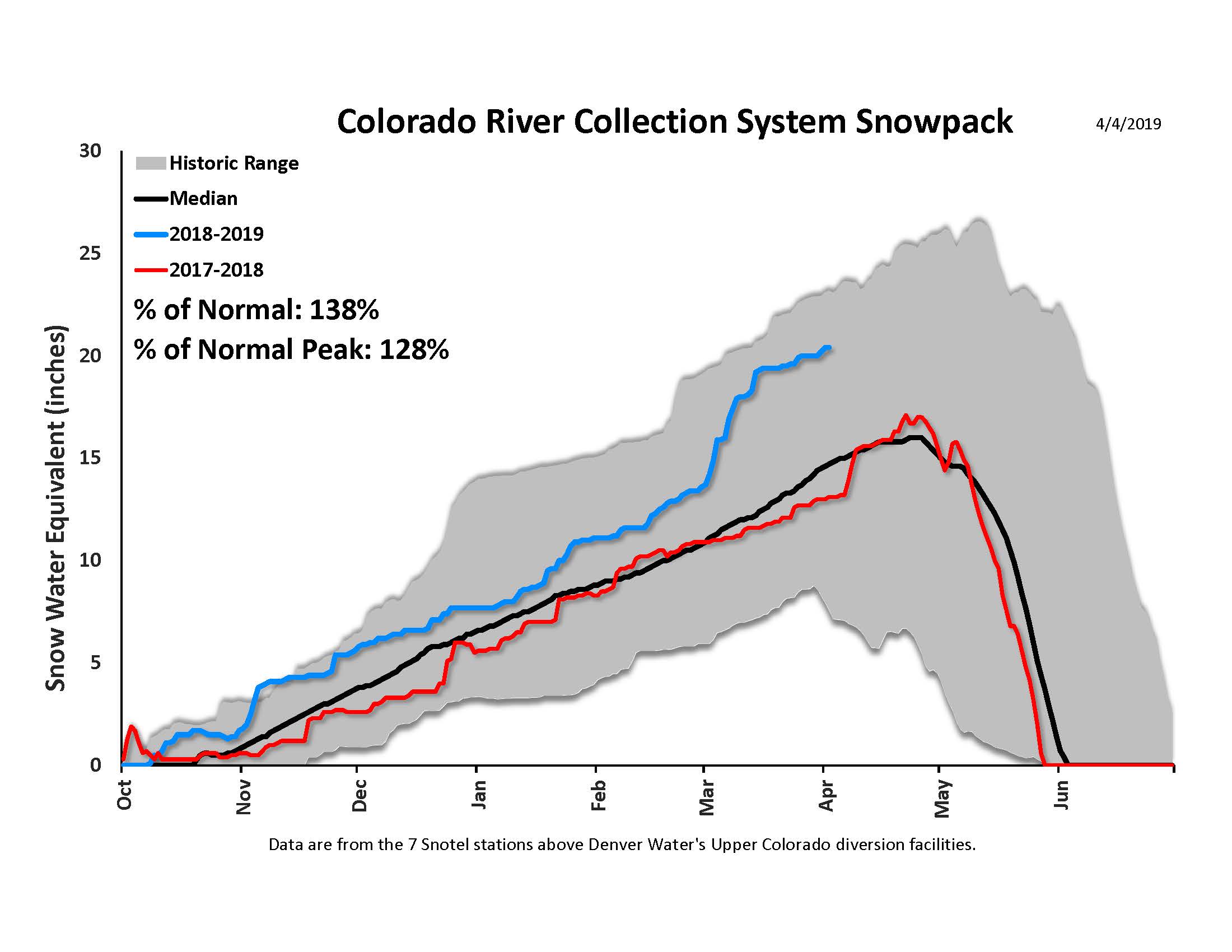
The snowpack that feeds the Colorado River has reached historic lows in 2026. The river supplies water to 40 million people across 7 states. Drought.gov, The Conversation, and Audubon document the unfolding crisis.
Every entry on this timeline started as a tip. If you have documentation, a court filing, a leaked memo or a screenshot — drop it.
+ Drop a Receipt