From 1964 to 1992, Texaco (now Chevron) dumped approximately 16 billion gallons of toxic wastewater and 17 million gallons of crude oil into Ecuador's Amazon, contaminating water for 30,000 indigenous people. Attorney Steven Donziger won a $9.5 billion judgment. Chevron refused to pay and launched a legal war — getting Donziger disbarred and jailed using a private prosecutor (after the federal prosecutor declined). Donziger spent 993 days in detention. Amnesty International and 68 Nobel laureates called his treatment a human rights violation.
“Chevron deliberately poisoned the Amazon and its people. When they lost in court, they didn't pay — they destroyed the lawyer who beat them.”
From “crazy” to confirmed
The Claim Is Made
This is the moment they called it crazy.
When Steven Donziger won a $9.5 billion judgment against Chevron in 2011, he believed he had accomplished what seemed impossible: holding one of the world's largest oil companies accountable for poisoning an entire region. What happened next revealed how far a corporation will go to avoid paying.
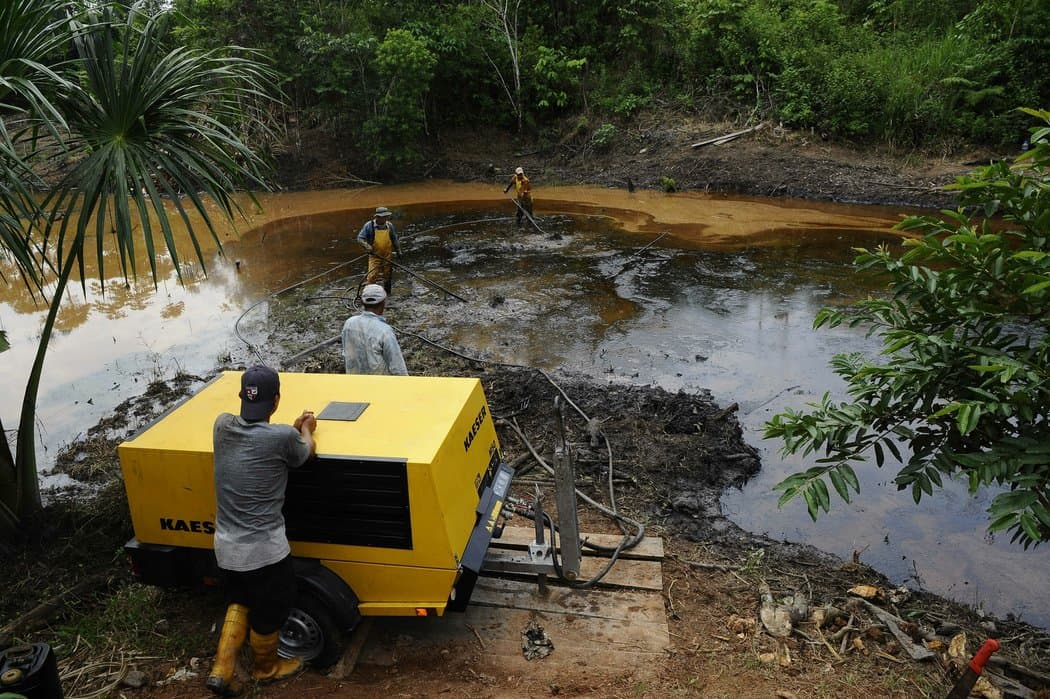
From 1964 to 1992, Texaco (now owned by Chevron) operated oil fields across Ecuador's Amazon rainforest. The company dumped approximately 16 billion gallons of toxic wastewater and 17 million gallons of crude oil directly into rivers and land, contaminating the primary water sources for roughly 30,000 indigenous people. The contamination persisted for decades, causing documented health crises including elevated cancer rates and reproductive illnesses among affected communities.
Donziger, a U.S. attorney, led the legal fight on behalf of these communities for years. An Ecuadorian court ultimately sided with the plaintiffs, issuing the massive judgment in 2011. It was a rare victory for environmental justice. Chevron simply refused to pay.
Rather than comply with the judgment, the company launched what observers describe as a sophisticated legal counterattack. Court documents show that Chevron filed racketeering charges against Donziger, claiming he had orchestrated fraud—allegations the company has since had to defend against in various courts. In 2019, federal prosecutors declined to pursue criminal charges against him, determining the case lacked merit.
But Chevron's influence extended beyond the courtroom. The company supported a private prosecutor who brought criminal contempt charges against Donziger in Manhattan. In June 2022, a judge convicted him and sentenced him to six months in prison. Donziger ultimately spent 993 days in detention—mostly under house arrest with electronic monitoring—before his conviction was vacated in 2024. He was also disbarred, effectively ending his legal career.
Get the 5 biggest receipts every week, straight to your inbox — plus an exclusive PDF: The Top 10 Conspiracy Theories Proven True in 2025-2026. No spam. No agenda. Just the papers they couldn't hide.
You just read "Chevron dumped 16 billion gallons of toxic waste in Ecuador …". We send ones like this every week.
No one's said anything yet. Be the first to drop your take.
Confirmed: They Were Right
The truth comes out. Officially documented.
Confirmed: They Were Right
The truth comes out. Officially documented.
The response from international observers was telling. Amnesty International documented his case as a human rights violation. Sixty-eight Nobel Prize laureates signed a letter condemning his treatment. Legal scholars noted that the private prosecution was highly unusual, raising questions about how a corporation could effectively weaponize the justice system against an attorney.
The core claim—that Texaco dumped billions of gallons of toxic waste in Ecuador—was never seriously disputed. Chevron's own documents, reviewed by environmental investigators, confirmed the dumping occurred. What changed was the narrative. Instead of discussing environmental damage and corporate responsibility, the conversation shifted to whether Donziger had committed fraud in pursuing the case.
This case matters because it demonstrates a pattern available to large corporations: when legal judgments prove inconvenient, they can pursue scorched-earth strategies against the lawyers who bring cases against them. The intimidation works. Donziger's disbarring and imprisonment have had a chilling effect on attorneys willing to take on similar environmental cases. The Ecuadorian communities affected by the contamination still await compensation.
What We Knew—or should have known—is that winning against a multinational corporation in court is only half the battle. The question of whether companies can be truly held accountable depends partly on whether the legal system remains accessible to the lawyers brave enough to bring these cases in the first place.
Beat the odds
This had a 1.1% chance of leaking — someone talked anyway.
Conspirators
~100Network
Secret kept
28.4 years
Time to 95% exposure
500+ years