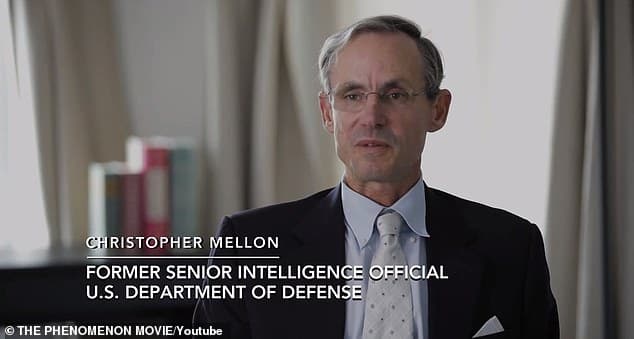
Christopher Mellon served as Deputy Assistant Secretary of Defense for Intelligence under Presidents Clinton and Bush, giving him direct access to the nation's most classified programs. After leaving government, Mellon became one of the most influential voices in UAP disclosure, stating that too much UAP information is classified and that the government should be more transparent. He helped bring the Navy UFO videos to the New York Times in 2017, lobbied Congress for UAP legislation, and has publicly stated there is a legitimate national security concern regarding UAPs. His involvement lent significant credibility to the disclosure movement given his deep establishment credentials.
“There are UAPs operating in restricted US military airspace on a persistent basis, and the American people and their elected representatives have a right to know about it. The DoD is not being forthcoming.”
What they said vs. what the evidence shows
“The Department takes any incursion into our training ranges very seriously and investigates each report. There is no evidence that UAPs represent non-human technology.”
— Pentagon officials · Sep 2019
SourceFrom “crazy” to confirmed
The Claim Is Made
This is the moment they called it crazy.
When Christopher Mellon walked away from his position as Deputy Assistant Secretary of Defense for Intelligence in the early 2000s, few expected him to become one of the government's most persistent critics on a single issue. Yet that's precisely what happened. Within years, Mellon transformed into a leading advocate for unidentified aerial phenomena (UAP) transparency, leveraging decades of access to classified intelligence to argue that his former employer was withholding crucial information from the public.
The central claim is straightforward: a high-ranking Pentagon official with genuine insider knowledge became convinced that excessive government secrecy around UAPs posed a legitimate national security concern. Rather than quietly accept official narratives, Mellon chose to speak out. For skeptics, this seemed implausible. Why would someone with Mellon's establishment credentials risk his reputation? Why abandon the confidentiality agreements that bound him to the very institution that shaped his career?
The official response, largely implicit in government silence, suggested that Mellon was either exaggerating isolated incidents or lending unwarranted credibility to fringe concerns. The Pentagon and intelligence community maintained their longstanding position: UAP incidents were either misidentifications, sensor artifacts, or matters of minor strategic importance. Career officials who remained in government largely avoided Mellon's public calls for disclosure, effectively dismissing his warnings through absence rather than direct rebuttal.
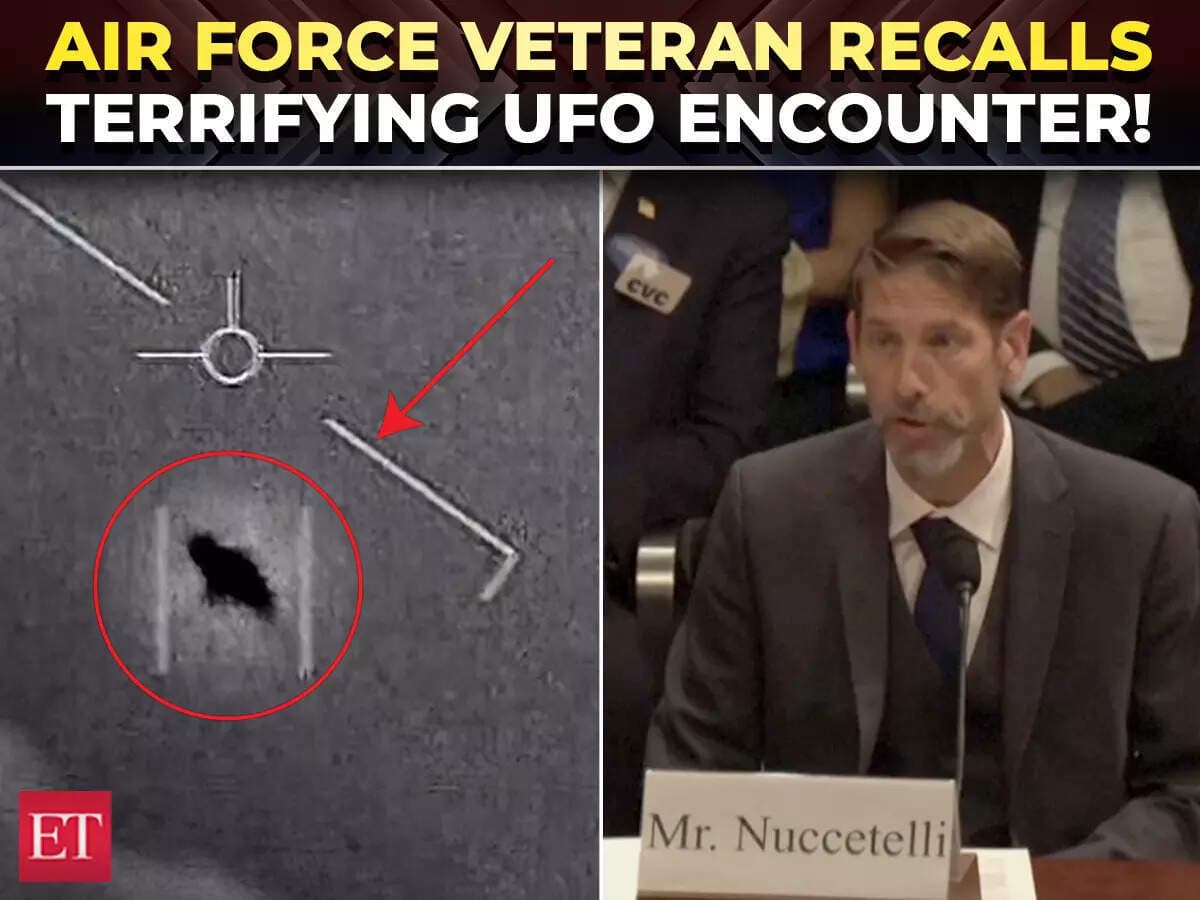
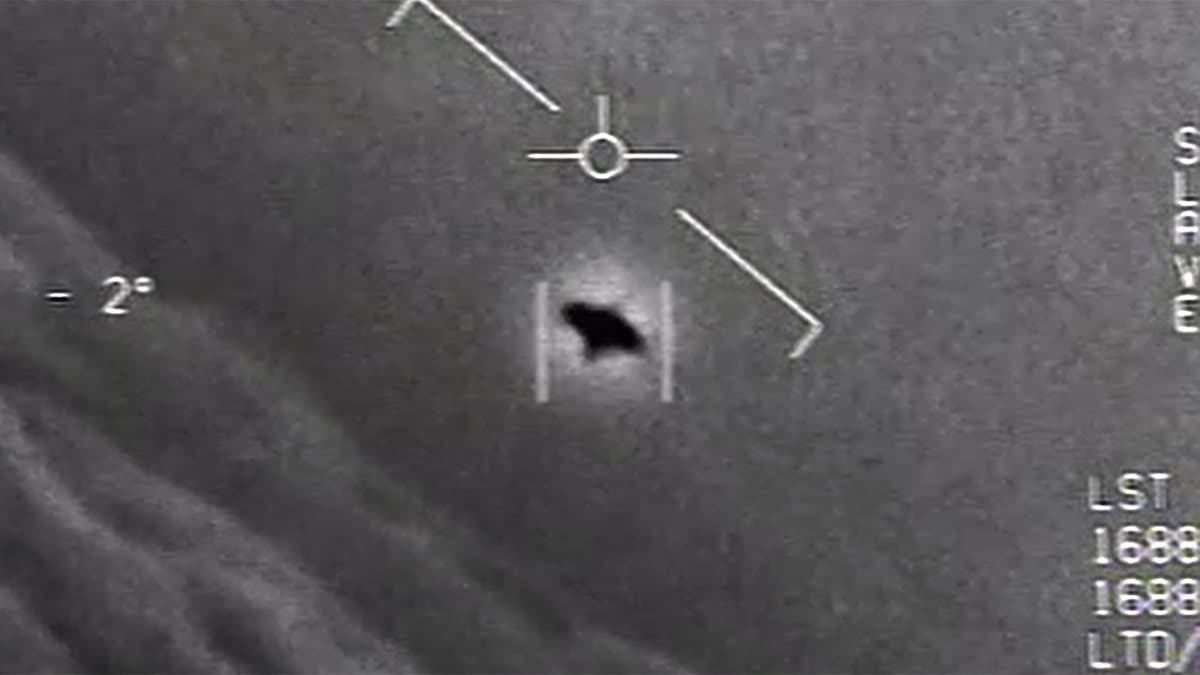
But Mellon's actions speak louder than denials. In 2017, he played a direct role in bringing classified Navy videos to the New York Times—footage that itself later confirmed as authentic. These weren't grainy, ambiguous images. They captured encounters involving sophisticated tracking systems, trained pilots, and military vessels. The videos forced the Pentagon to acknowledge that something unexplained had occurred, even if official explanations remained vague.
Get the 5 biggest receipts every week, straight to your inbox — plus an exclusive PDF: The Top 10 Conspiracy Theories Proven True in 2025-2026. No spam. No agenda. Just the papers they couldn't hide.
You just read "Former Deputy Assistant SecDef Christopher Mellon became a l…". We send ones like this every week.
No one's said anything yet. Be the first to drop your take.
Mellon's influence extended beyond leaked videos. He actively lobbied Congress for UAP legislation, helping shape oversight efforts that would have been unthinkable a decade earlier. His testimony and public statements carried weight precisely because of his résumé: someone who had held top-secret clearances, briefed senior leadership, and understood how classified information flows through government channels. When Mellon said the government was hiding something, he wasn't speaking as a conspiracy theorist—he was speaking as someone who had sat in the rooms where decisions were made.
The partial verification here matters. Mellon's core assertion—that government classification of UAP information exceeded legitimate security needs—remains difficult to definitively prove without access to those classified files. Yet his demonstrated ability to influence official processes, combined with the Pentagon's own acknowledgment of genuine UAP incidents, provides substantial corroboration of his underlying claim.
What makes this case significant isn't just that one insider became an outsider. It's what his transformation reveals about institutional credibility. Mellon didn't discover evidence of UAPs—the military already knew about them. His contribution was weaponizing his own credibility to demand accountability. For those tracking how power operates and information flows, his journey from Pentagon official to transparency advocate offers a rare window into how consensus gets challenged from within.
The question now is whether his warnings, delivered with the authority of someone who once guarded the nation's deepest secrets, will ultimately prove prescient.
Beat the odds
This had a 1.6% chance of leaking — someone talked anyway.
Conspirators
~500Large op
Secret kept
8.2 years
Time to 95% exposure
500+ years