FBI documents revealed systematic surveillance and disruption campaigns against journalists reporting on civil rights and anti-war movements. Operations included break-ins, wiretapping, and planted false stories.
“The FBI does not engage in domestic surveillance of journalists”
From “crazy” to confirmed
The Claim Is Made
This is the moment they called it crazy.
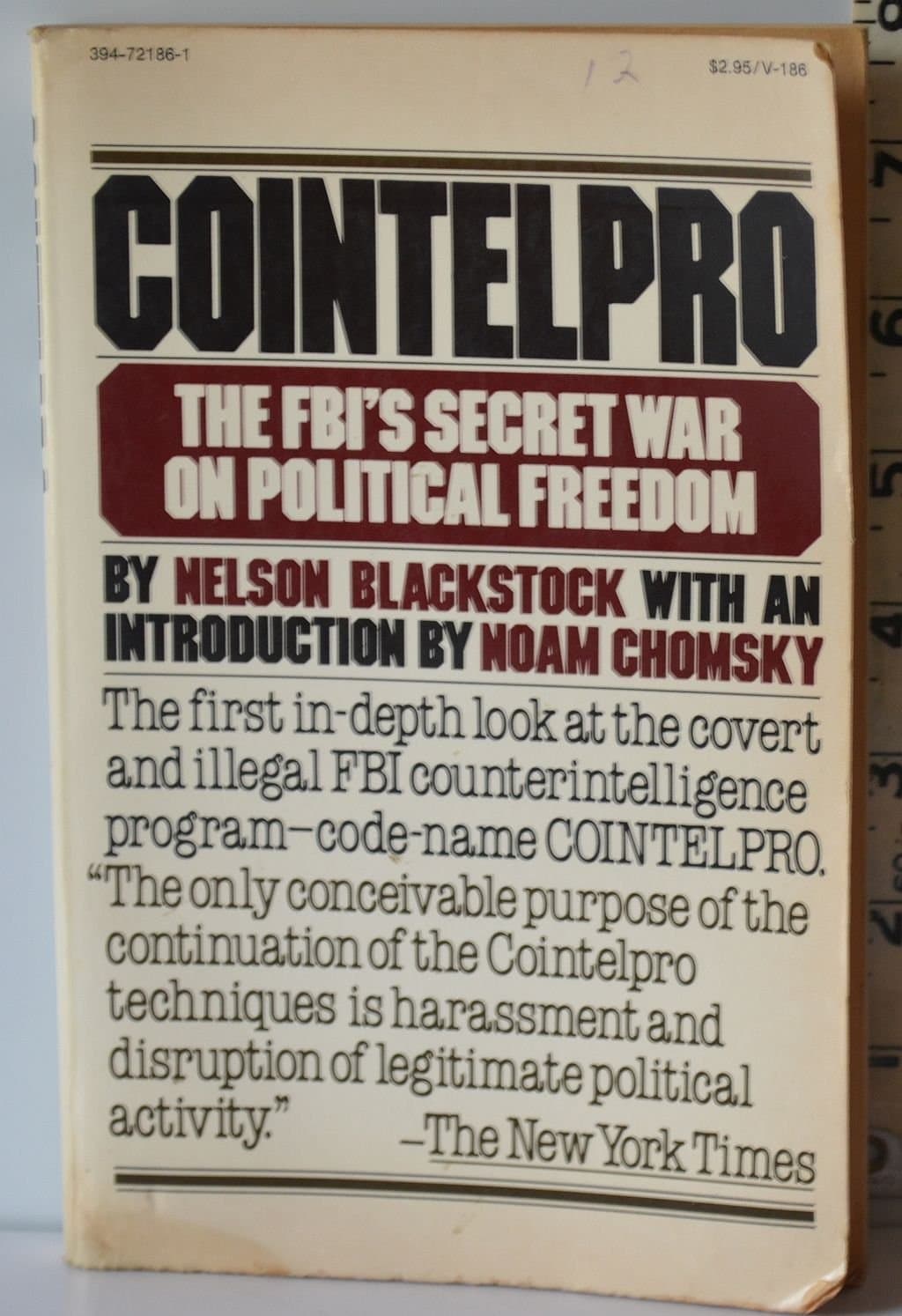
When the FBI began its COINTELPRO operations in 1956, the agency operated in near-total secrecy. What emerged decades later was a blueprint for how a government intelligence service could systematically neutralize its critics—including the journalists who tried to report on what was actually happening.
The original claim seemed paranoid at the time. Reporters and activists accused the FBI of not just monitoring them, but actively working to discredit, disrupt, and silence their work. They alleged break-ins, wiretaps, forged letters, and planted stories designed to destroy reputations and movements. The allegations focused particularly on coverage of the civil rights movement and anti-war protests during the 1960s and early 1970s.
The FBI's official response was dismissive. The agency denied systematic targeting of journalists and characterized accusations of illegal surveillance as exaggeration by radical elements seeking to undermine law enforcement. FBI leadership insisted the bureau operated within legal bounds and that any monitoring was justified by national security concerns. Most mainstream outlets treated the claims as fringe complaints without merit.
That changed on March 8, 1971, when activists broke into an FBI office in Media, Pennsylvania and removed files documenting COINTELPRO's existence. The stolen documents, released to journalists, revealed what the agency had hidden: systematic operations against journalists and media outlets critical of FBI activities. The operation had targeted Civil Rights leaders, anti-war activists, and the reporters covering them.
Get the 5 biggest receipts every week, straight to your inbox — plus an exclusive PDF: The Top 10 Conspiracy Theories Proven True in 2025-2026. No spam. No agenda. Just the papers they couldn't hide.
You just read "COINTELPRO operations targeted journalists and media outlets…". We send ones like this every week.
No one's said anything yet. Be the first to drop your take.
The documents showed the FBI had conducted break-ins at newsrooms, wiretapped journalists' phones without warrants, and planted false stories in newspapers to discredit sources. The agency had even created forged letters designed to turn civil rights leaders against each other. One particularly chilling aspect involved monitoring which journalists were investigating FBI abuses and then working to undermine those reporters' credibility with their editors and sources.
Official investigations that followed—including the 1975 Church Committee hearings—confirmed these operations had been widespread and systematic. The evidence included FBI memos detailing the strategies, internal communications between field offices about targeting specific reporters, and documentation of specific operations. The scope went far beyond isolated incidents. COINTELPRO wasn't an aberration; it was policy.
The FBI eventually acknowledged the programs, though framing them as necessary during a dangerous era. The agency claimed the worst abuses had ended, though questions persisted about whether related practices continued under different names and classifications.
This matters because it establishes that accusations of government surveillance targeting journalists—once dismissed as conspiracy thinking—were based on documented fact. It reveals how institutions can maintain false narratives about their own conduct while controlling information access. For decades, official denials carried enough weight to discredit those making these claims.
The broader implication is harder to swallow: if government agencies systematically lied about programs this consequential for this long, what assurances exist that similar activities aren't happening now? The answer isn't paranoia. It's accountability structures that actually work—which requires public awareness of what was actually proven true, not what authorities insisted was false.
Beat the odds
This had a 2.2% chance of leaking — someone talked anyway.
Conspirators
~100Network
Secret kept
55.2 years
Time to 95% exposure
500+ years